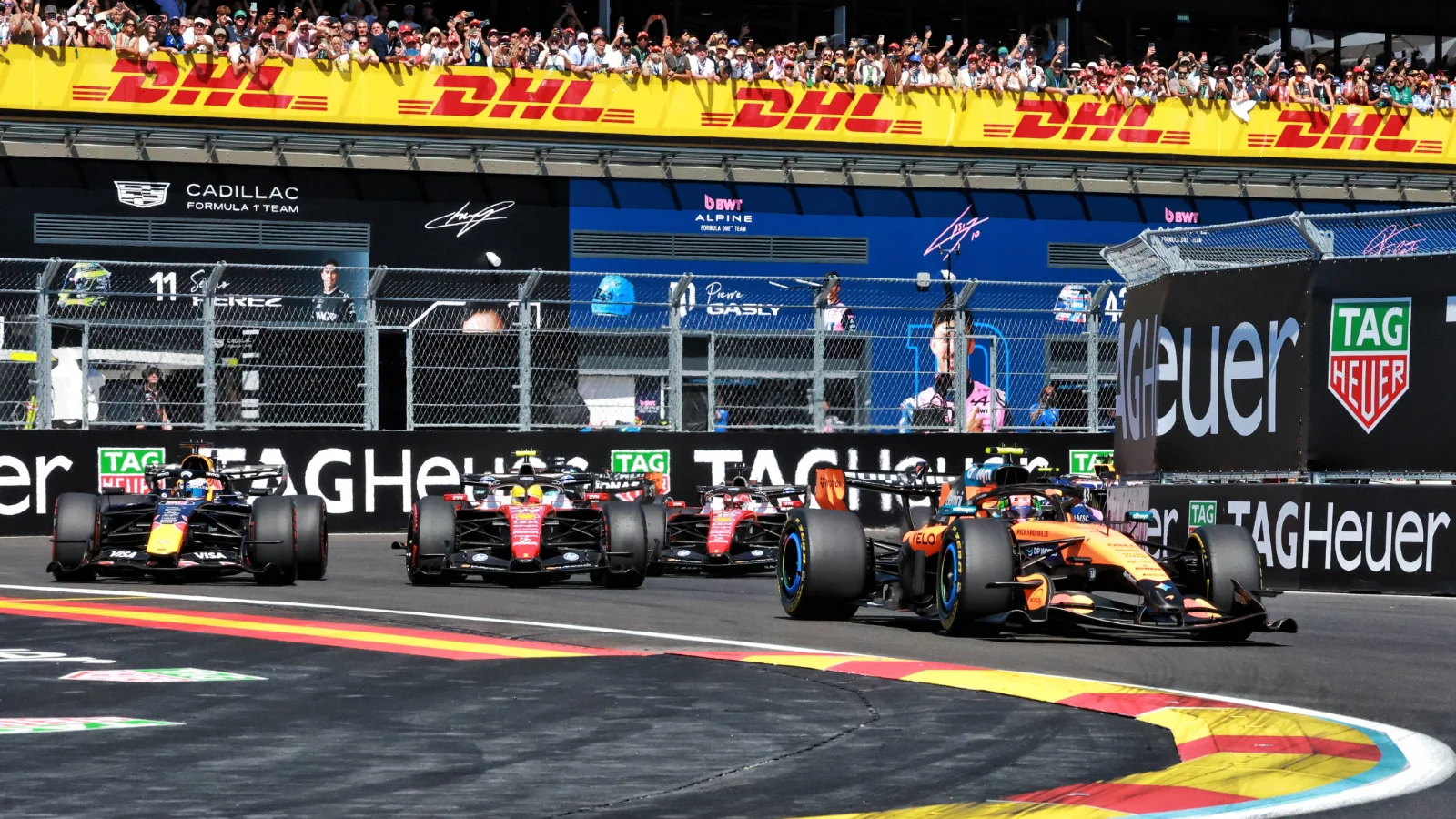
Motorsport is often a game of fine margins. A driver can dominate qualifying, lead for most of a grand prix and still leave without a victory. A mistimed pit stop, an unexpected downpour or a safety car can turn the race on its head. Even the fastest car cannot guarantee a win, which is what makes racing so compelling.
That uncertainty shapes how fans assess a race before the lights go out. Recent results, driver form and team performance can all influence expectations, especially for those interested in sports betting. Platforms like 711 Sports offer a way to engage with sporting events through betting markets, giving fans another reason to examine the factors that could influence a result. In motorsport, even the strongest contenders face variables that can change the outcome in seconds.
Qualifying sets the stage, not just the result
Starting near the front is a significant advantage, especially on circuits where overtaking is difficult. A strong qualifying performance helps drivers avoid midfield congestion and establish control early in the race.
Yet pole position is no guarantee of victory. A poor getaway can undo an entire weekend’s preparation, while drivers starting farther back might benefit from a different tyre strategy or capitalise on incidents ahead.


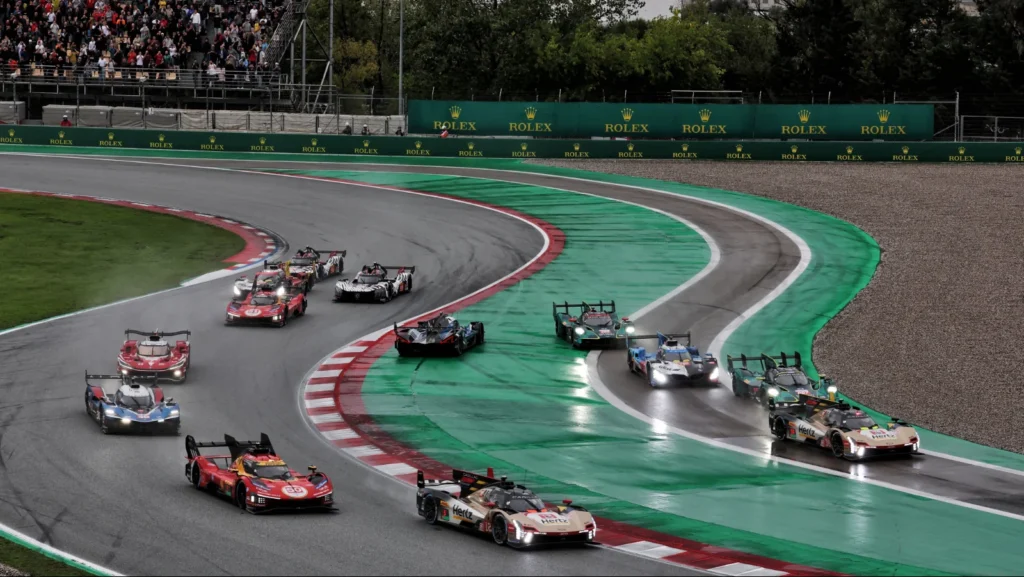
Circuit characteristics matter too. At Monaco, track position is valuable because passing opportunities are limited. At venues with long straights and heavy braking zones, drivers have more chances to attack.
The grid tells only part of the story. What happens after the start is often more important.
Tyre wear can change everything
Tyres are among the most important strategic considerations in Formula 1. Drivers must balance speed with durability, managing their rubber without surrendering too much lap time.
Push too hard early and tyre degradation can leave a driver vulnerable later. Conserve too much and valuable time might be lost while competitors pull away. Finding the right balance requires constant communication between drivers and engineers.
Teams must also consider available compounds, track temperatures and circuit demands. A setup that works during a cool practice session might prove less effective when the track heats up on race day.
Some races reward a one-stop strategy, while others require multiple pit visits. The best approach depends on how tyres perform as conditions evolve.
Pit stops and safety cars rewrite the strategy
A pit stop might last only a few seconds, but its timing can influence the next 50 laps. Teams must decide when to bring a driver in, whether to cover a rival’s move and how much track position they are willing to sacrifice.
Two tactics frequently shape the battle:
- The undercut: A driver stops before a rival and uses fresh tyres to set faster laps, hoping to gain position when the other car stops.
- The overcut: A driver stays out longer, potentially benefiting from clear track or strong tyre performance.
Neither tactic works every time. Traffic and tyre warm-up can undermine an otherwise sound plan.
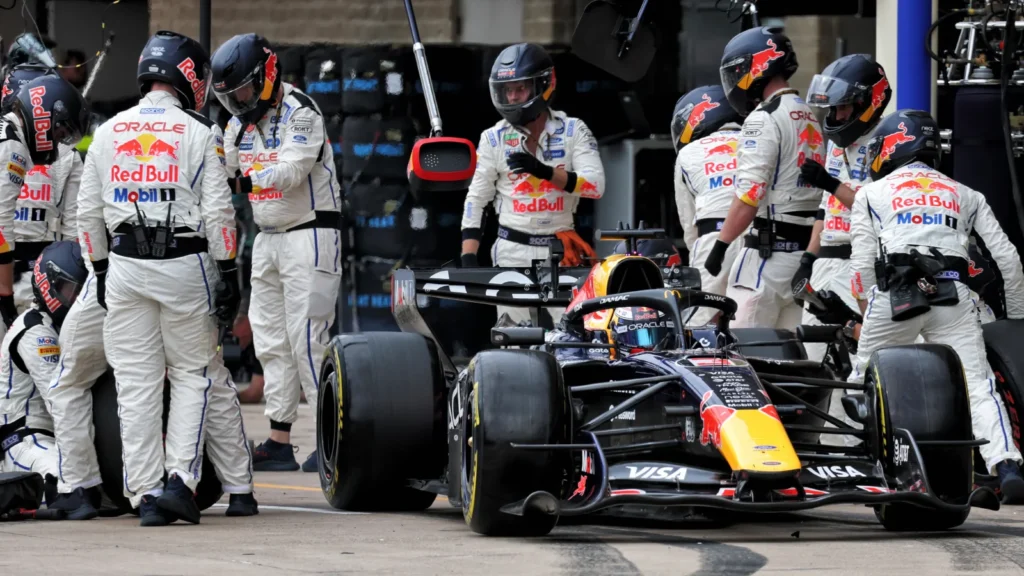
Safety cars introduce another layer of uncertainty. When a race is neutralised, drivers can often pit while losing less time relative to their rivals. Someone outside the leading group might suddenly find themselves in contention, while a leader who stopped moments earlier could lose their advantage. The timing of an incident can matter as much as the incident itself.
Weather turns predictions upside down
Few things expose the limits of preparation like changing weather. Rain can transform a familiar circuit into a test of judgement, car control and nerve. Drivers must decide when to switch from slick tyres to intermediates or full wets, and getting that call wrong can cost positions.
Even a brief shower can create different conditions across the track. One sector might remain dry while another becomes slippery, forcing drivers to adjust their approach lap by lap.
Weather forecasts can help teams prepare, but they cannot remove uncertainty. A team expecting a dry race might find itself scrambling to adapt, while a driver comfortable in mixed conditions can take advantage.
These moments also complicate pre-race analysis. A driver who looks strong in the dry might struggle in the wet, and the usual performance hierarchy can quickly disappear.
Driver skill and team decisions go hand in hand
Raw speed is important, but making good decisions under pressure matters too. Drivers must judge overtaking opportunities, manage energy deployment, defend positions and respond to instructions from the pit wall.
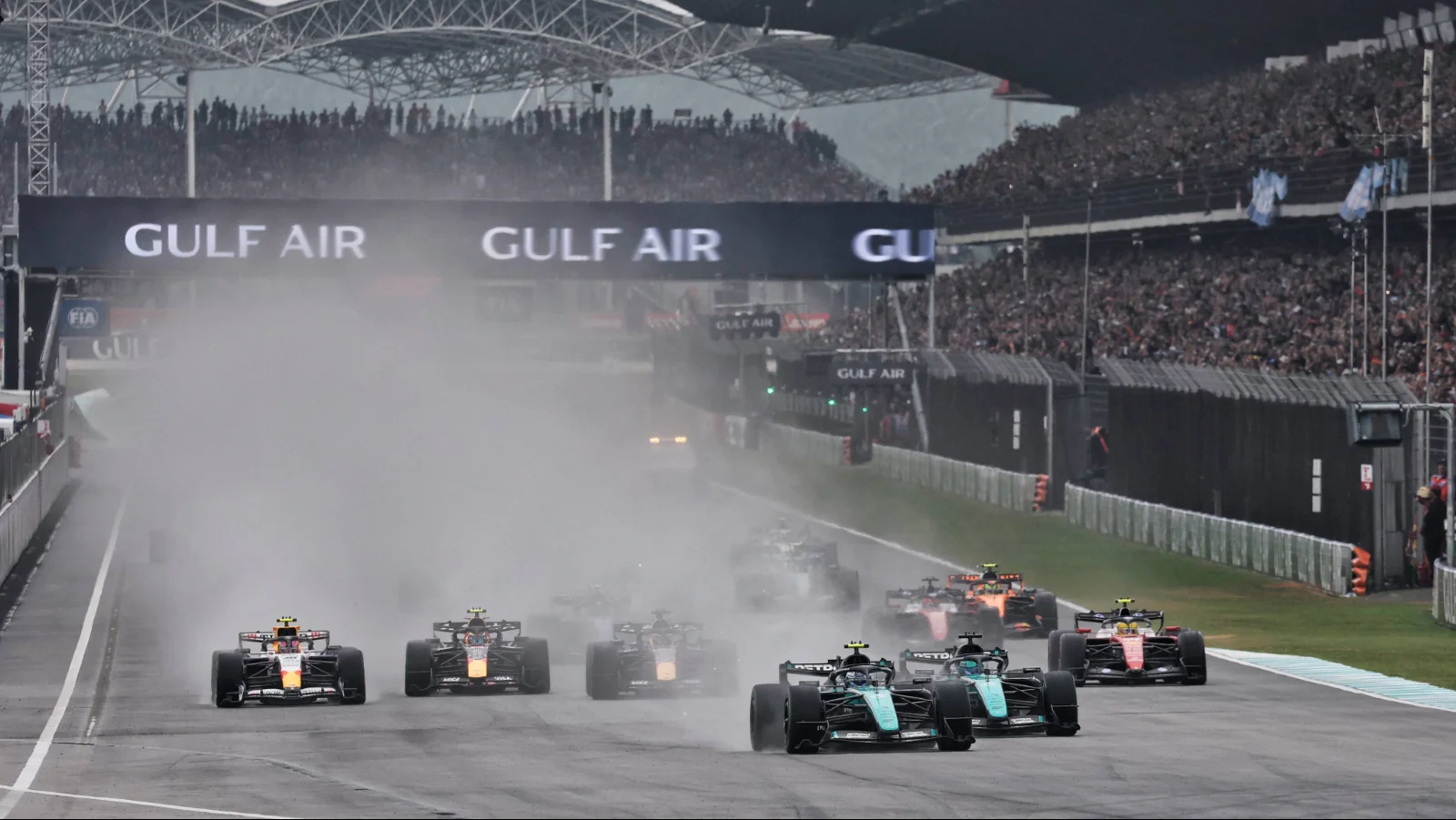
Teams face their own challenges. Engineers monitor data, evaluate rival strategies and make decisions with incomplete information. Sometimes the safest option is right; at other times, taking a calculated risk offers the best chance of winning.
Small errors can have big consequences. A lockup, a slow tyre change or a misjudged overtake can cost valuable time. Recovering those positions is not always possible.
Why no race is a foregone conclusion
Statistics, recent form, qualifying results and circuit history help explain which drivers might have an advantage. They cannot account for every mechanical problem, strategic gamble or sudden change in conditions.
That is the appeal of motorsport. Preparation and performance are important, but circumstances can shift in seconds. A race that appears settled can become a tense fight to the chequered flag.
For fans, understanding those variables adds another level to watching a race. The fastest car might start as the favourite, but victory depends on much more than speed alone.