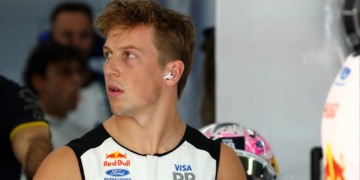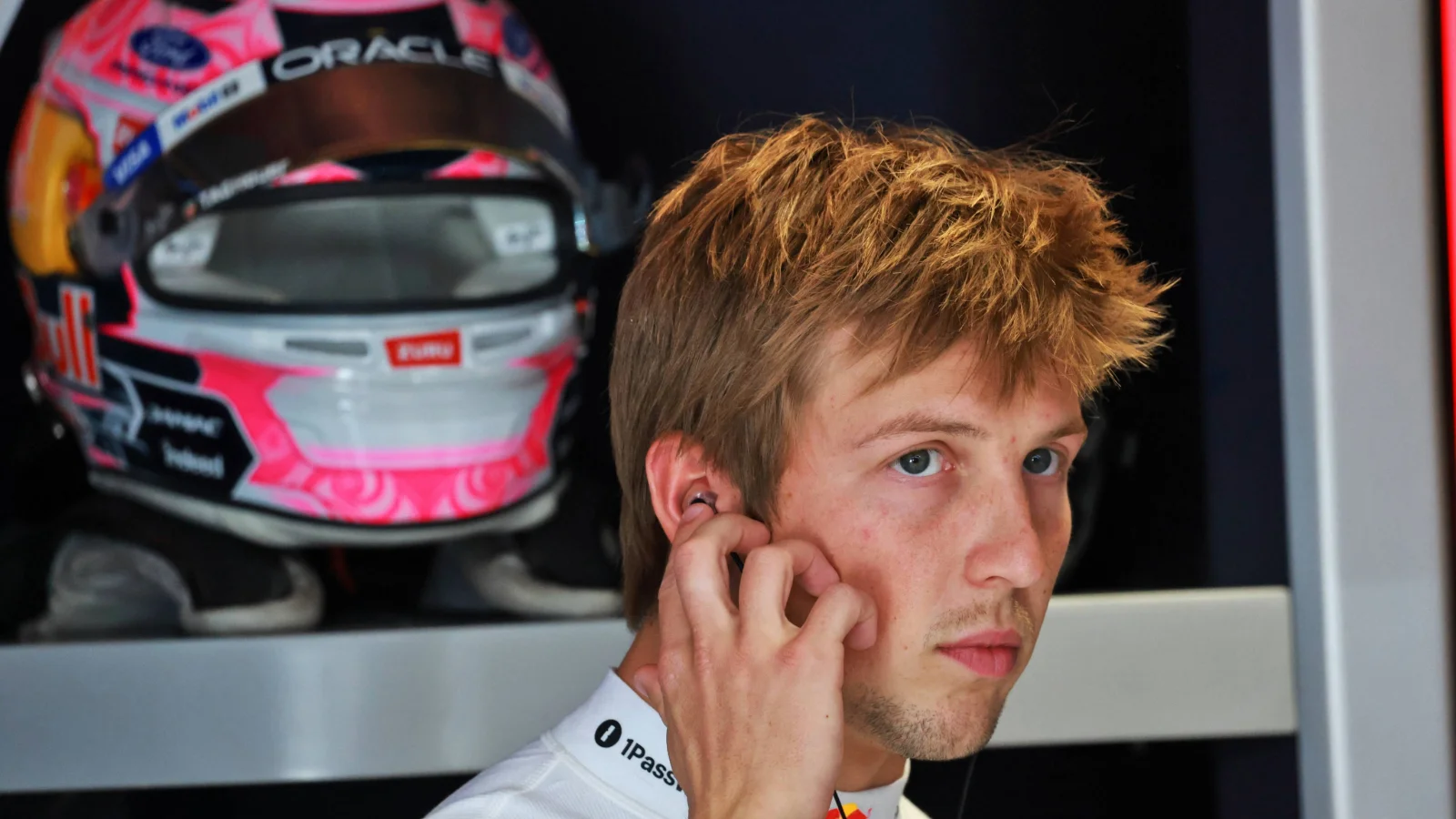
When Liam Lawson stepped out of the Racing Bulls garage and into the Red Bull RB22 for three races this autumn, the coverage focused almost entirely on the substitution. Stand-in driver. Temporary promotion.
Points finishes noted, seat returned, move along. What that framing missed is the deeper story: New Zealand has been quietly producing Formula 1 talent for seven decades. Lawson’s complicated 2026 season fits into that tradition in ways that go beyond a scorecard.
The connection between New Zealand and the top tier of motorsport runs through some of the sport’s foundational names. Bruce McLaren did not just drive in Formula 1. The Kiwi built a team that is still competing at the front of the grid today, as detailed in McLaren’s own account of his legacy. Denny Hulme won the 1967 World Championship with Brabham, still the only New Zealand driver to hold that title. Both men came from a small country with no obvious pathway to the most expensive sport in the world, and both made it to the summit of the discipline.
The distance between New Zealand and the Formula 1 paddock has always been the story. Most venues are a long-haul flight away. Broadcast times arrive at inconvenient hours. Following the championship from Wellington or Christchurch means building habits around streaming services, live timing apps and digital platforms in ways that fans in Europe and the Americas rarely have to think about.


Localisation matters enormously in that context. That is why a platform like Lucky Nugget New Zealand operates a specifically regional version rather than directing Kiwi users to a generic international site. The content and terms shown to a visitor change depending on location.That distinction shapes the experience just as meaningfully as a local broadcaster’s commentary team does.
What Lawson’s 2026 season actually reveals
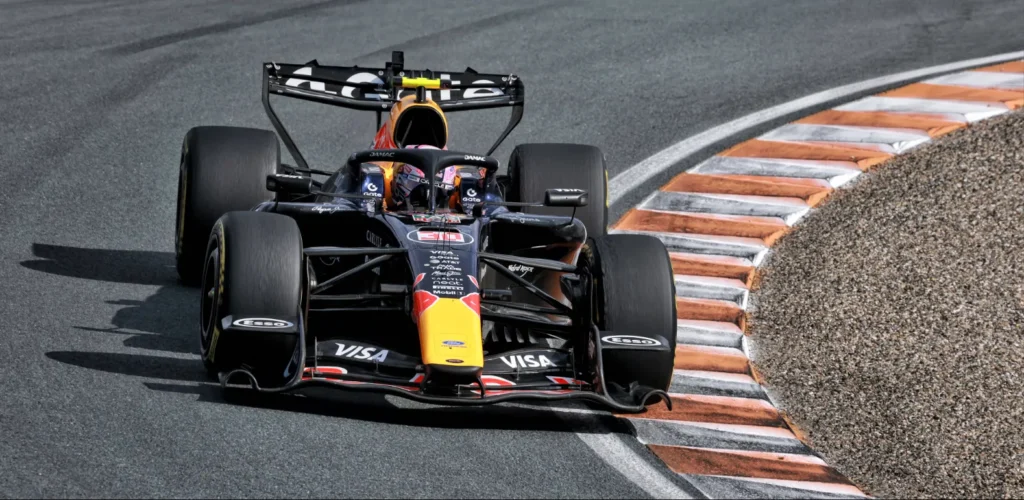
The surface-level reading of Lawson’s year is familiar enough. He lost his Red Bull seat after two races in 2025, returned to Racing Bulls, rebuilt his form across the first half of 2026, and earned a second chance with the senior team when Hadjar needed replacing. He delivered 14 points from three races — seventh at Zandvoort and then 14th at Monza after a compromised race. Sixth at the Madring in Madrid followed when the official Formula 1 race report placed him ahead of Franco Colapinto and Oscar Piastri.
The analytical question is what those results actually prove, and the honest answer is: less than either interpretation — vindication or disappointment — suggests.
Points finishes with Red Bull are expected from a functioning car. The more meaningful data point is the gap to Verstappen over the same stint. That gap did not close to the level that would force a conversation about long-term seat security. Lawson drove tidily and professionally. He did not drive in a way that made the paddock reconsider its assumptions about the team’s hierarchy.
What the three-race spell did do, more usefully, was demonstrate that the Racing Bulls rebuild was real. As Motorsport Week reported in August, Lawson’s praise for the team’s development work and upgrade execution was backed by consistent results. That progress mattered because it gave Red Bull a reason to consider him again when the vacancy arose. A driver who had remained stationary at Racing Bulls would likely not have been considered.
The fold that doesn’t look like a fold
There is a version of Lawson’s 2026 narrative that frames his return to Racing Bulls after the Hadjar substitution as a setback. Red Bull’s confirmation of Hadjar’s return for Azerbaijan ended the arrangement cleanly, and Hadjar finished third on his comeback. The natural interpretation is that the substitute has been returned to the shelf.

That reading underestimates what Lawson has actually built. His position within Red Bull’s structure is stronger in October 2026 than it was in February 2025. He has two separate Red Bull stints on his record rather than one truncated one. He has demonstrated that the organisation trusts him enough to deploy him at short notice in a points-paying car. This is a specific form of credibility that cannot be manufactured.
The parallel with Hulme is imperfect but instructive. Hulme spent years in junior categories before his 1967 championship year, accumulating credibility in exactly the grinding way that Lawson is currently doing. The straight line between talent and opportunity has never run through New Zealand easily. The drivers who have made it have usually made it the hard way — and made it count when the moment arrived.
Whether Lawson gets that moment remains genuinely open. His sixth place in Madrid belongs alongside his seventh at Zandvoort as evidence of consistent execution under opportunity. Neither performance resolved the larger question about where he ultimately fits in Formula 1’s hierarchy. Both moved him closer to the position where that question might one day be answered definitively.