

Martin Brundle has labelled the technical timing glitch as “embarrassing” following a lengthy Sprint Shootout delay at the Formula 1 Singapore Grand Prix.
As drivers headed into their first qualifying of the weekend, the Sprint Shootout proved anything but straightforward. After an early Red Flag following Sergio Perez’s contact with the wall, drivers resumed their flying laps.
As the chequered flag waved, the timing tower failed to register several drivers’ flying laps. This confused fans and commentators over which six drivers the session had eliminated.
Following the conclusion of SQ1, the FIA delayed the session to investigate and resolve the timing system issue. Although officials quickly resolved the timing issue, the FIA continued to assess whether the disruption would affect the remainder of the session.
“Start of SQ2 will be delayed due to an issue with timing systems, some lap times had not been registered,” an FIA statement read.
“That is now resolved, and the current timings are considered correct. We are investigating whether we can proceed with the rest of the session.”
Crucially, the qualifying issue came less than a week after a “software bug” derailed the race start in Sepang, prompting F1 pundit Brundle to criticise the latest technical failure, emphasising the incident as ’embarrassing’ for what many consider the “pinnacle of Motorsport”.
“This is a completely different problem to what we had last weekend in Sepang, but equally as embarrassing at Formula 1 level,” he said to Sky Sports.
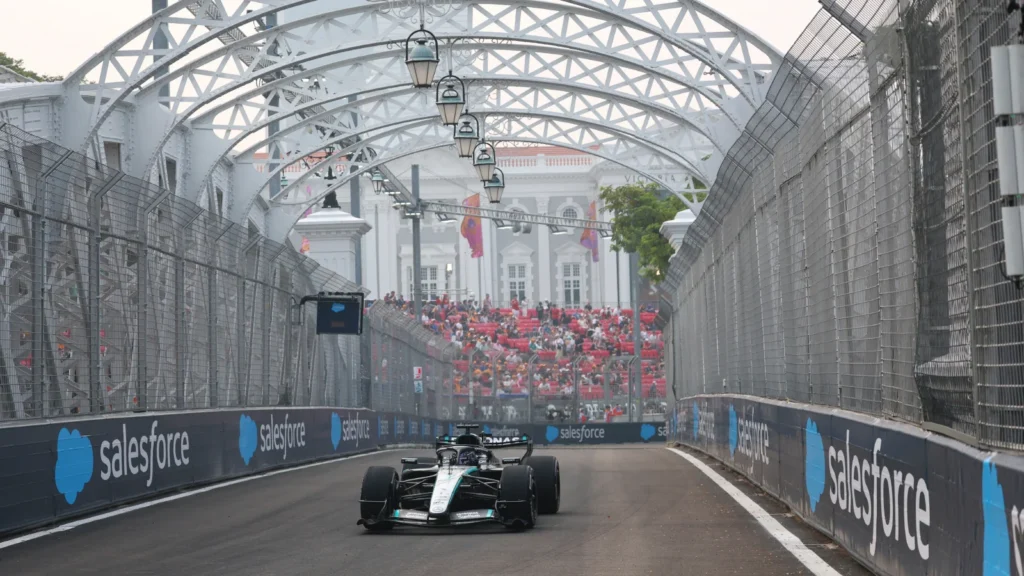
FIA clarifies Sprint Qualifying issue
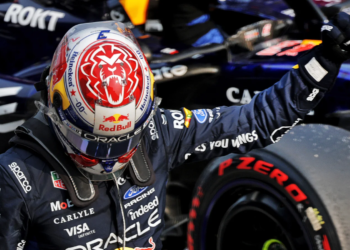
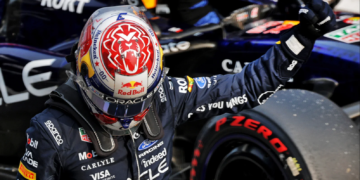
The session got underway with no issues for the remainder of qualifying, as Max Verstappen took his maiden Singaporean pole position. However, the Red Bull driver’s achievement was not the only major talking point. As the FIA clarified the technical and operational issues that affected the session.
“During the first period of Sprint Qualifying there was a human error in Race Control unrelated to the timing issue also encountered in SQ1,” the FIA explained.
“This issue in question meant Overtake Mode was not available after the red flag period during SQ1. When it became apparent that Overtake Mode was not active after the restart, it was activated for a period of 27 seconds before being deactivated again.”
The FIA’s statement confirmed that the timing malfunction and the Overtake Mode error were two separate incidents. With the most recent issue stemming from human error in Race Control. But the incident continues to raise questions about the technical issues facing F1’s 2026 regulations.
READ MORE – FIA issues statement as F1 suffers further software problems in Singapore





Discussion about this post