
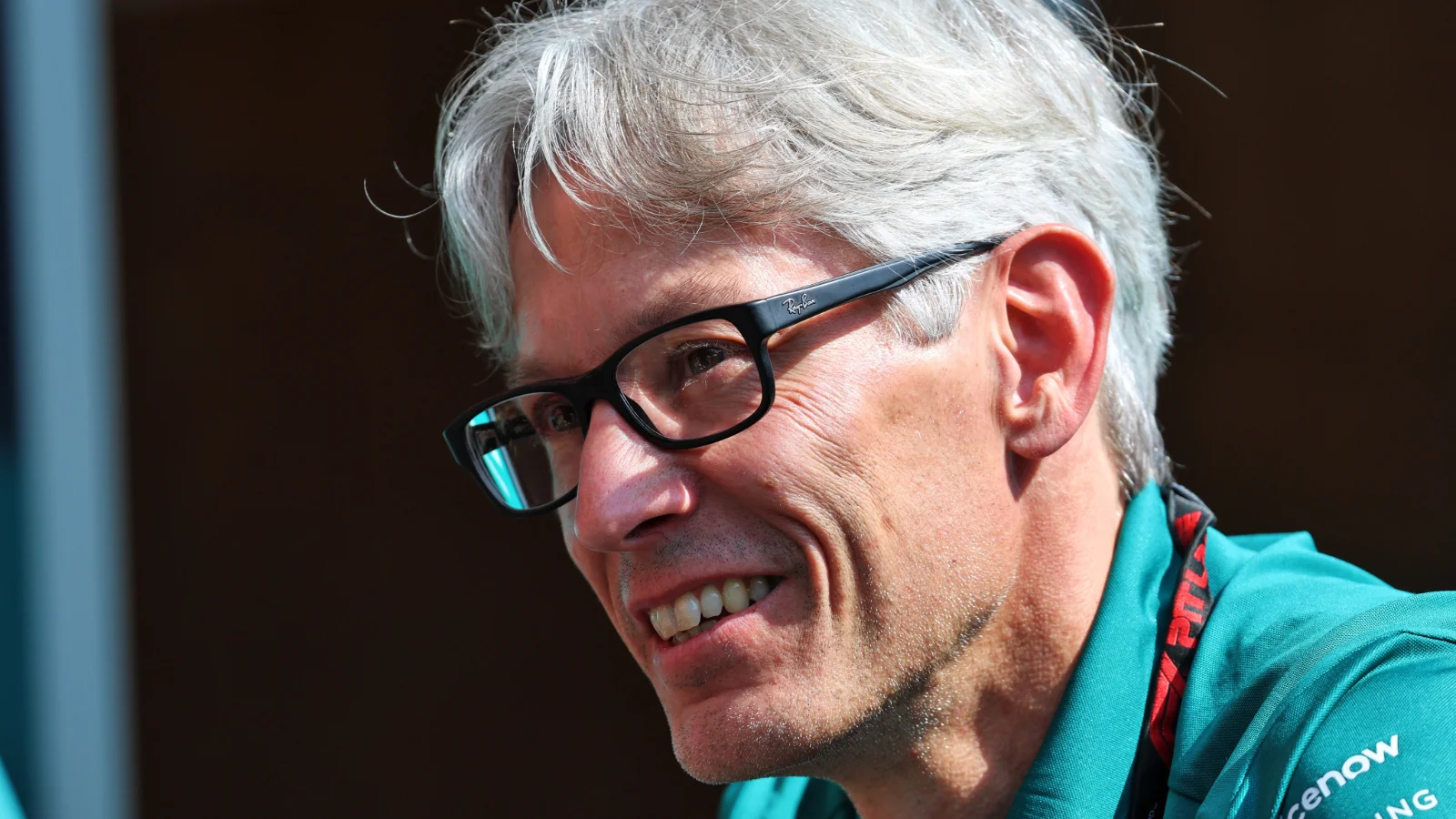
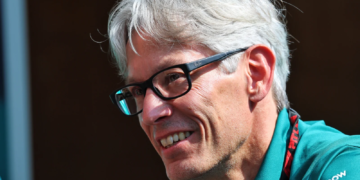
Aston Martin trackside chief Mike Krack has theorised a key reason as to how Fernando Alonso was able to complete a season-best finish at the Formula 1 Bahrain Grand Prix in Malaysia.
The Silverstone-based squad, via the experienced hand of the recently-retained Spaniard, scored eighth place at the Sepang Circuit.
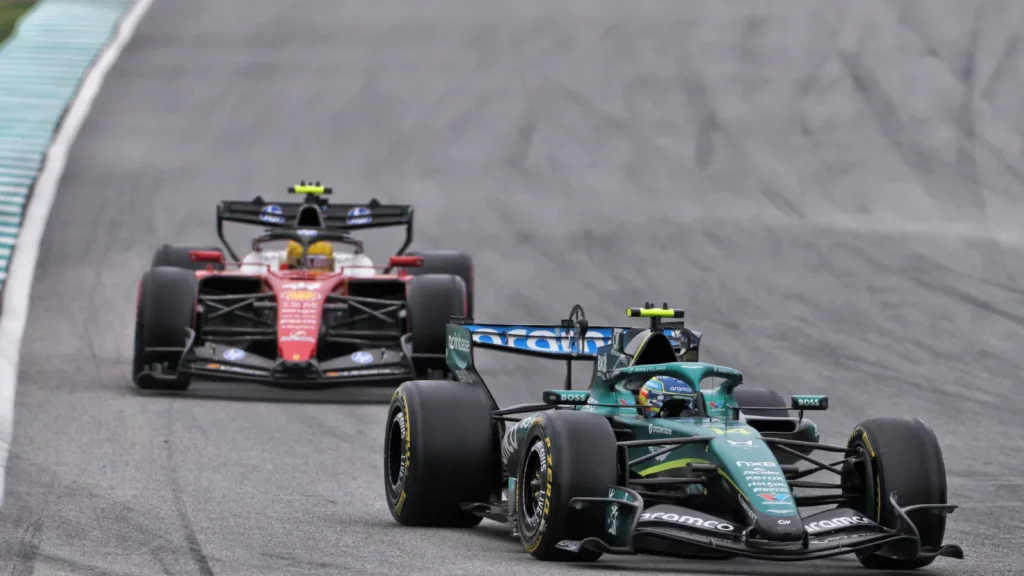
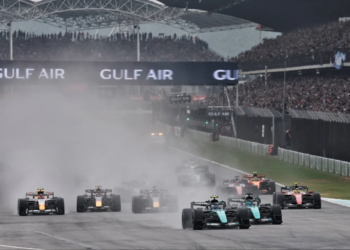
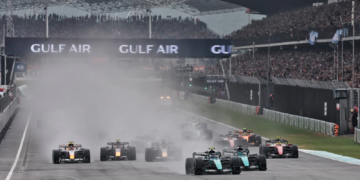
Alonso’s usual nous behind the wheel, amid a fair bit of rain-related chaos and a Safety Car period saw him hold off Lando Norris to take its best result of the season so far.
Aston is still undergoing its recovery from a disastrous start to the season, caused in part by its underdeveloped AMR26 chassis and the underpowered Honda power unit.

Krack, speaking ahead of the Singapore Grand Prix, revealed that, after some analysis, the Sepang’s unique surface was potentially a key factor in its result.
“We have obviously looked into it and we know the strengths and the weaknesses of our package,” he said. “I think what could have happened is the track was really an outlier in terms of surface.
“The surface roughness was very high. With that, the grip is low and the time where your grip is limited is increasing, and you move everything to lower speed, the car is quite strong in these sections, so I think this helped us in terms of competitivity.
“I think also maybe other manufacturers had some issues. I think it’s a combination of both.”
‘Unique behaviour’ gives Honda ideas for Singapore preparation
Krack’s Honda counterpart, Shintaro Orihara, gave some insight into how “unique behavior” of the power unit at what is a power circuit, and what has done to enable utilisation of the package at the Marina Bay Circuit.
“In Malaysia, in wet conditions, the energy situation must be rich,” he said. “Then that affects our harvest amount in the cornering phase. And that also affects the engine operation point.
“In the difference engine operation point, we operate it comparing to the standard event. And also here, we expect some energy-rich situation.
“Then, if we operate a different engine load, we can see some difference behaviour on combustion. Then, still, our drivability always can improve. And we see some unique behaviour in Malaysia in energy-rich conditions.
“We did some dyno testing to have a good understanding and prepare some data for this Singapore in energy-rich situation. It’s not a big problem, but it’s worth to think about how we improve our drivability in that condition.”
READ MORE – FIA reveals outcome of F1 Bahrain GP ‘software bug’ investigation





Discussion about this post