
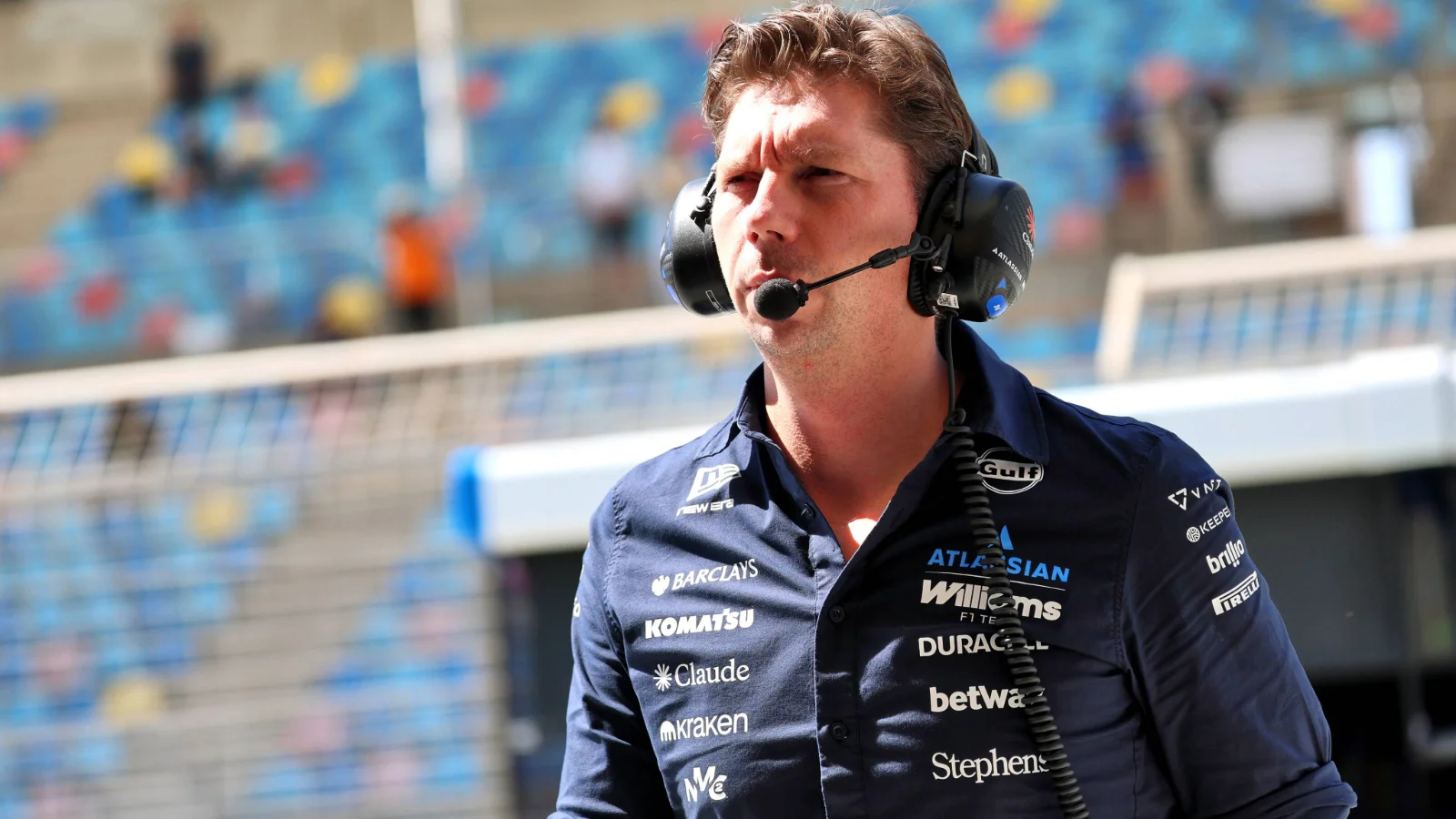
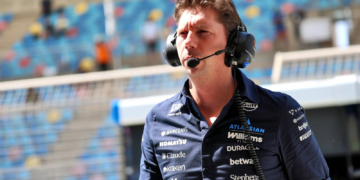
James Vowles has conceded that Williams deliberately left aerodynamic performance on the table this season, choosing to spend its cost cap allowance on foundations for 2027, instead of rescuing a campaign that has left the team ninth in the Constructors’ Championship.
Williams has scored just 12 points so far in the 2026 season, this coming after finishing fifth last year and podiums in Baku and Qatar for Carlos Sainz.
The Grove-based squad missed the first winter test and arrived with a significantly overweight car, a start the team principal has repeatedly described as a “disaster”.
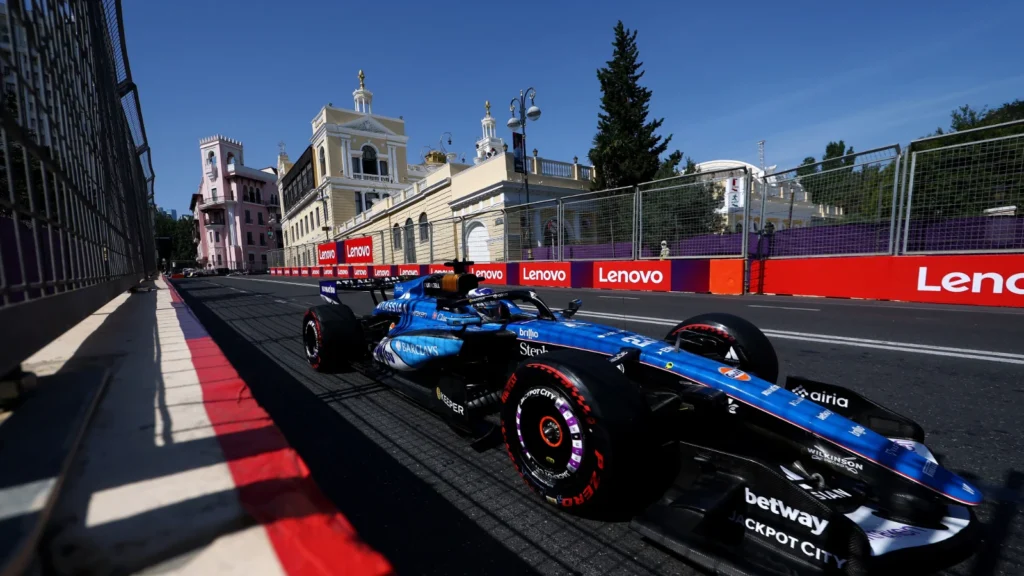
This year’s trip to Baku saw marked improvements with upgrades brought, but Vowles has admitted that scope to improve the FW48 further has been held back to nullify a repeat of this year’s woes for the 2027 season.
“I own the mistakes that we made this winter,” Vowles told media, including Motorsport Week, in Malaysia.
Asked whether the team would avoid the same problems heading into next season, he said: “I’m confident that we won’t have any of the disaster we had this winter.”
That confidence comes with a caveat. The chassis introduced at the Azerbaijan Grand Prix will carry over into 2027, which removes one of the largest jobs from the factory’s winter workload.
“We have to accept that’s not as big a load that we’re putting through the business because the chassis is already here,” Vowles said. “That does make a considerable difference.”
Vowles details “brilliant godsend” addition to Williams ranks
A lighter workload makes a repeat less likely, but it does not show that the processes which failed last winter have been repaired. Williams will not face the same stress test until it next has to design and build a car from scratch.
Vowles pointed to changes in software systems and working practices, and to the arrival of Piers Thynne, the former McLaren chief operating officer who joined in August as chief optimisation and planning officer. Vowles called him “an absolutely brilliant godsend”.
“We have information we just simply didn’t have one year ago that allows us to make a better call,” he added.
Thynne has been in the building for around two months, however, and Vowles offered little detail on what has changed beyond the hire itself. He also stopped short of making a clear step forward.
“We think we’re doing a good job with development in the wind tunnel and across systems, but you don’t know until you turn up at the first race next year.”
The Baku upgrade produced Williams’ best qualifying result of the year, with Carlos Sainz ninth on the grid, and the team’s first point since Monaco. Vowles said the car is now carrying ballast, a sign the team has addressed its weight problem, but was blunt about the timing.
“It’s too late in the season. That’s the facts behind it,” he said. “We haven’t added enough aerodynamic performance. We’ve focused our cost cap dollars really on just getting the elements right that we need next year, and that was at the sacrifice. We left quite a bit of performance in the tunnel at home.”
The stakes for that trade are high. Sainz and Alex Albon have both committed to Williams for 2027, and both are reportedly looking for results next season in return. Having written off this year in public, Vowles has left himself little room if the 2027 car does not deliver.
READ MORE – Red Bull outlines major objective for remaining F1 2026 races




Discussion about this post