A Formula 1 weekend is much more enjoyable when you know where to focus. There’s always plenty happening, from the first tentative practice laps to the final pit-stop calls on Sunday, but not every session tells the same story.
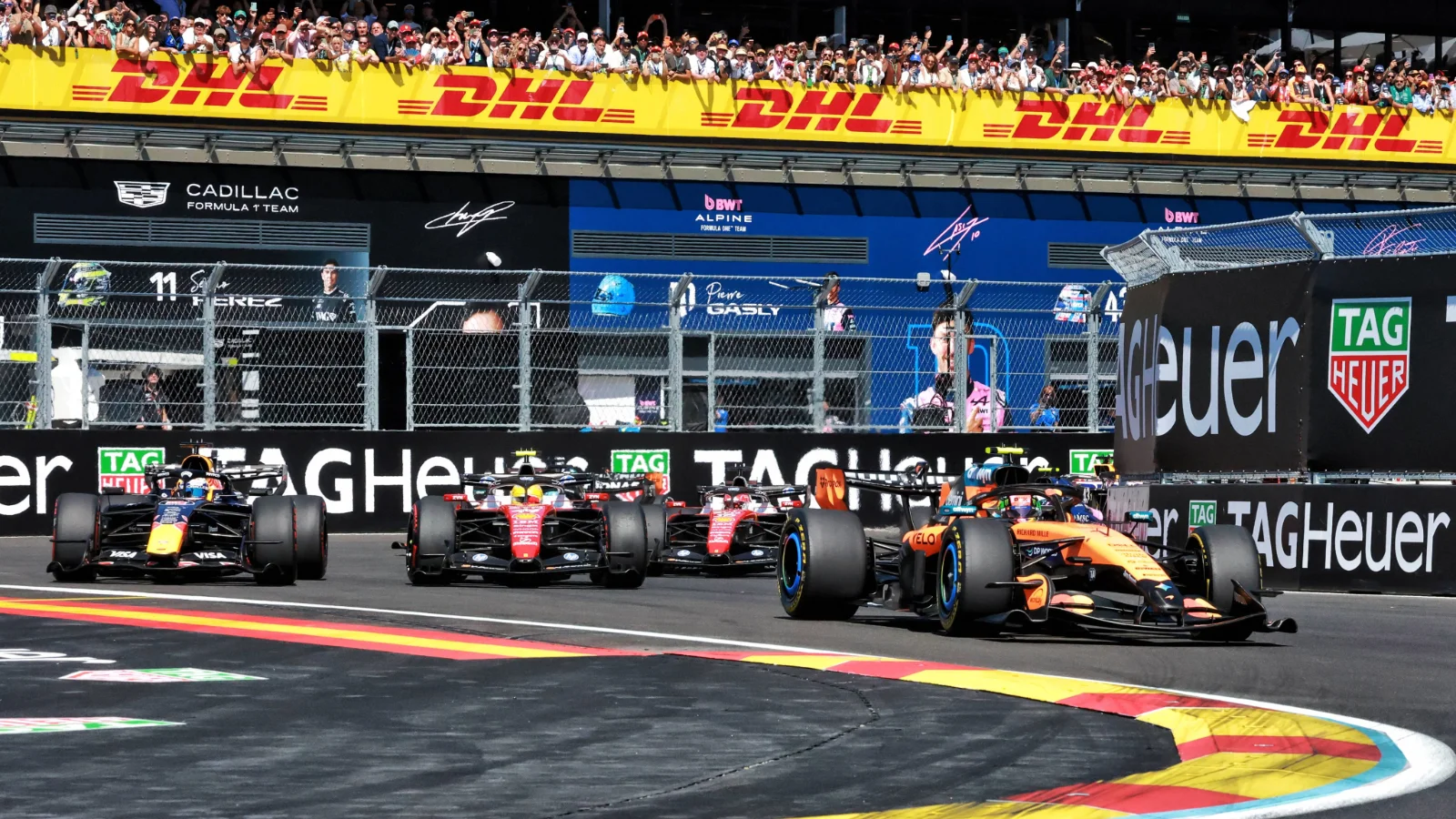
The latest headline comes from Monza, where Kimi Antonelli produced a remarkable Italian Grand Prix win for Mercedes after starting 19th. George Russell completed a Mercedes one-two, with Max Verstappen third. It was a result that gives the season a fresh talking point, particularly after Pierre Gasly’s surprise pole position for Alpine. You can find the official event information and results via Formula 1’s Italian Grand Prix page.
That’s the beauty of F1. Friday can suggest one pecking order, qualifying can turn it upside down, and the race can reveal an entirely different truth. Whether you’re watching every minute or gathering friends for the main event, here’s how to make sense of a Grand Prix weekend.
Start with the circuit, not just the headlines
Before switching on for practice, take two minutes to look at the circuit’s character. It shapes almost everything that follows.


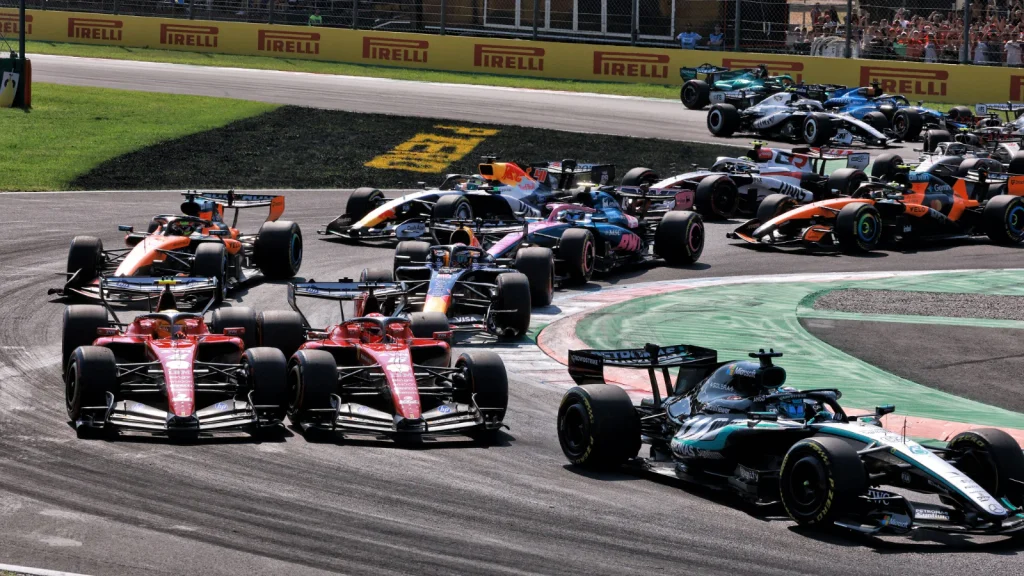
Monza, for instance, is known for long straights, heavy braking zones and low-downforce set-ups. Teams trim wing levels to gain speed on the straights, but that can make the car more difficult through chicanes and medium-speed corners. A driver who looks brilliant in clean air may struggle once tyre temperatures rise in traffic.
At other circuits, the priorities change. Street tracks tend to punish mistakes and make safety cars more likely. High-speed layouts place a greater load on tyres and reward confidence through fast corners. Tracks with long straights can create overtaking chances, though dirty air and tyre wear still matter. Bumpy or hot venues can expose a car that is difficult to manage over a race distance.
The circuit is also your first clue when reading team news. An upgrade that works at Monza will not automatically shine at a twisty street venue. If a team brings a revised floor, front wing or cooling package, listen for comments about balance, ride height and tyre temperature. They’re often more revealing than a single headline lap time.
For the wider stream of reports around each round, Motorsport Week’s Formula 1 news section is a useful place to check for race-weekend coverage and analysis alongside official timing.
Your session-by-session F1 viewing guide
A standard Grand Prix weekend has three practice sessions, qualifying and the race. Sprint weekends alter that rhythm, which is why it helps to check the timetable rather than assuming the usual pattern.
Formula 1 publishes its season calendar and event details on its official race schedule. Times shown for UK viewers can vary considerably, so set reminders early, especially for flyaway rounds.
Friday practice: early clues, not final answers
On a conventional weekend, Friday contains Free Practice 1 and Free Practice 2.
FP1 is often messy. Teams are evaluating new parts, checking systems and gathering initial data. Some drivers may be giving up their car for a rookie practice appearance too. That means the timesheet needs a pinch of salt.
FP2 is generally more useful because teams start working through single-lap qualifying simulations, longer runs with fuel on board, tyre wear across different compounds, set-up changes made after FP1, and race-start and pit-lane procedures.
If one car is consistently quick on a long run rather than merely topping a soft-tyre lap, take notice. It could be a genuine Sunday contender.
Saturday practice and qualifying: the tension rises
Free Practice 3 is the last opportunity to refine the car before qualifying. It can be a lively session, especially if weather conditions have changed overnight. Still, teams may hold back their best engine settings and tyre combinations.
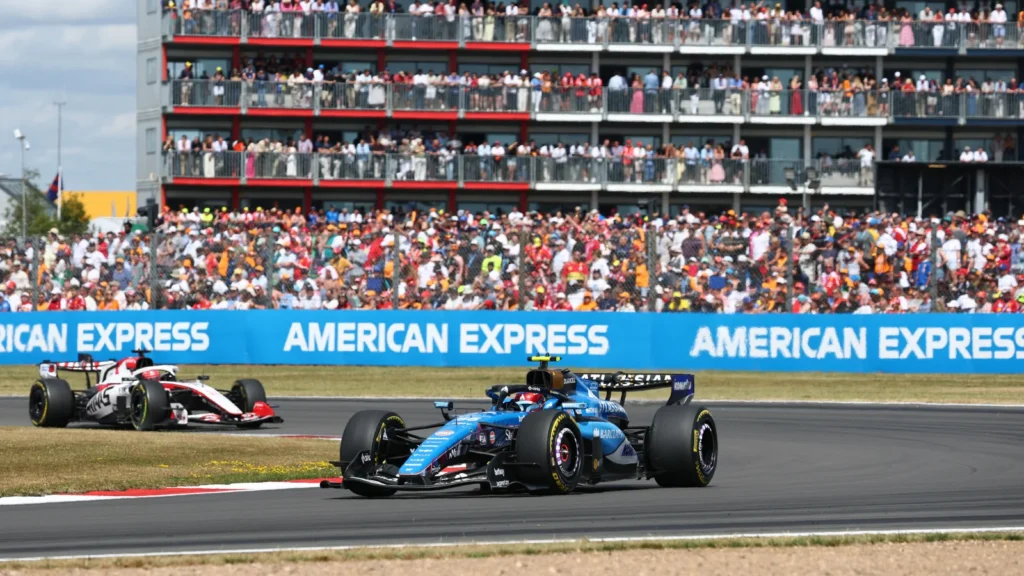
Then comes qualifying, split into three knockout sections. Q1 eliminates the slowest five drivers. Q2 eliminates the next five. Q3 decides pole position and the top ten order.
Qualifying is worth watching even if Sunday is your main event. Grid position matters, particularly at venues where overtaking is difficult. Yet a pole lap is only part of the story. Watch who gets through Q1 comfortably, who needs multiple attempts, and who looks unsettled on kerbs or under braking.
A late yellow flag, track limits deletion or red flag can change the whole grid in seconds. That’s why the final minutes of each segment are rarely quiet.
Sprint weekends: less practice, more jeopardy
Sprint formats compress the preparation time. There is usually just one practice session before Sprint Qualifying, followed by the Sprint itself and then the main qualifying session for Sunday’s Grand Prix.
The key difference is simple: teams have fewer chances to fix a troublesome car. That tends to make the early sessions more significant. A poor set-up call on Friday can carry through the rest of the weekend, while a well-balanced car can give its driver confidence immediately.
The Sprint itself is a short race, not a rehearsal to ignore. It can reveal tyre behaviour, overtaking possibilities and how evenly matched nearby cars really are. Still, conditions can change before Sunday, so don’t treat the Sprint order as a guaranteed race forecast.
What to watch on track when strategy starts to matter
The race is where the small details begin to add up. You don’t need to study every lap chart to enjoy it, but knowing a few strategic markers makes the action far easier to follow.
Tyres tell the real story
Pirelli generally brings three dry-weather compounds to each round: hard, medium and soft. The naming is relative to that weekend’s selection, so a “soft” tyre at one circuit may not behave like a soft tyre elsewhere.
During the race, look for degradation (is the tyre losing grip gradually over a stint?), graining (are the tyres overheating and sliding across the surface?), warm-up (can a driver get the tyres working quickly after a pit stop?), and stint length (is a team trying to make a one-stop strategy work, or preparing for two?).
A driver who is conserving tyres may appear to be falling back, only to find pace later when rivals’ rubber begins to fade. Equally, a fast opening stint can leave a car vulnerable if the tyres have been worked too hard.
Undercuts, overcuts and track position
The undercut is when a driver pits earlier than a rival, takes fresh tyres and uses the extra grip to gain time before the other car stops. It works best when the new tyre warms up quickly and there is clear track ahead.
The overcut is the opposite. A driver stays out longer, aiming to use clean air or preserve track position while the rival is delayed in traffic.
Neither is automatically right. The decision depends on tyre life, the pit-stop gap, traffic and how hard overtaking is at that circuit. A team may also split strategies between its two drivers, which can make an intra-team battle fascinating without either driver being directly wheel-to-wheel.
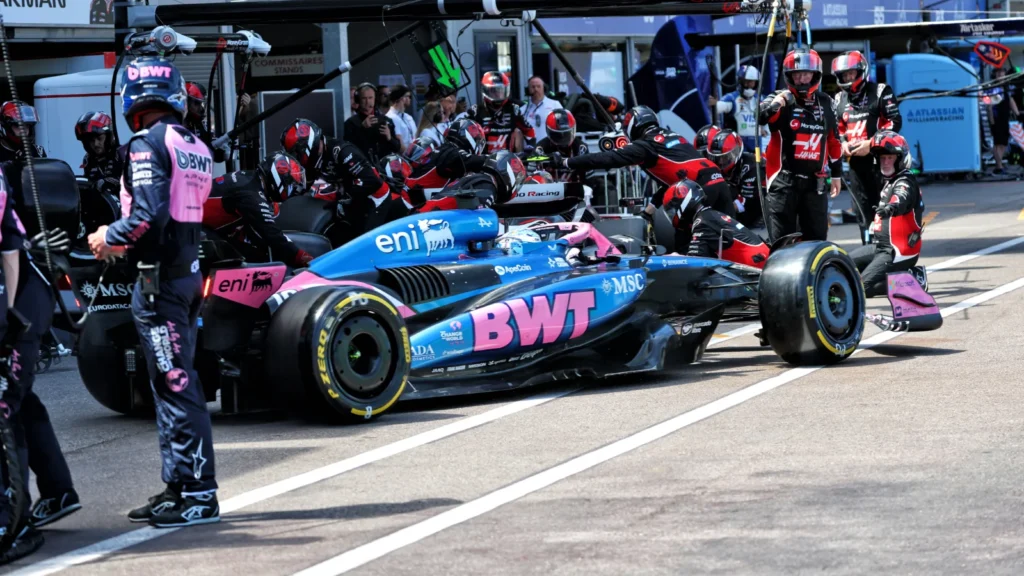
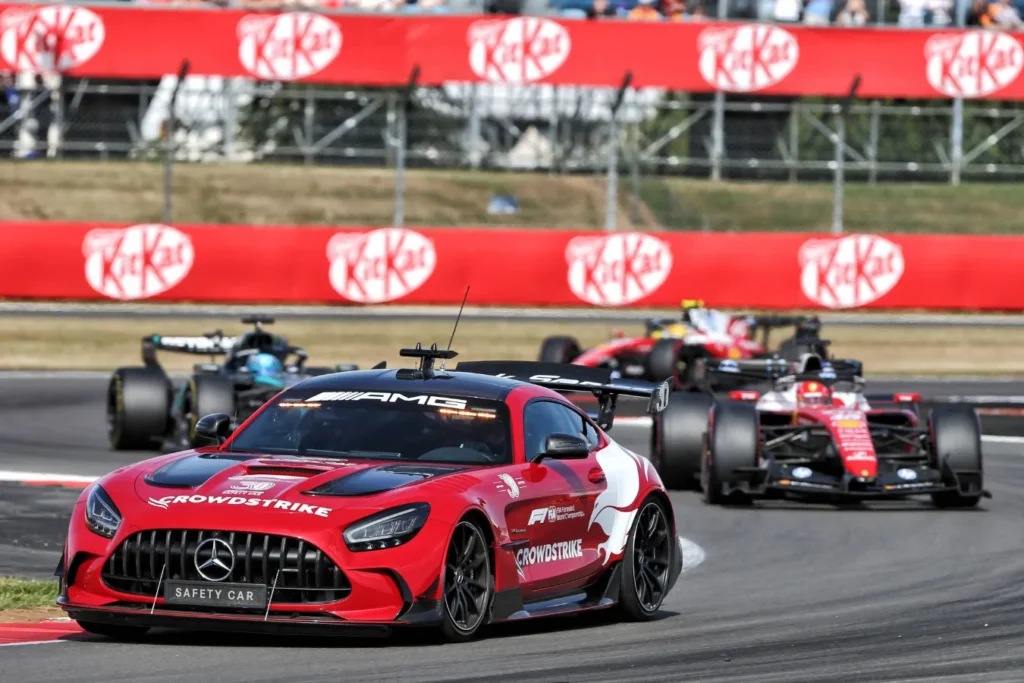
Safety cars can rewrite everything
A safety car or Virtual Safety Car can transform a race because the time lost in the pit lane is reduced while the field slows down.
When an incident happens, ask yourself three quick questions: who has already stopped, who can pit without losing too many places, and who is now on the better tyre for the restart?
The restart itself is another key moment. Drivers need tyre temperature, brake temperature and a clean launch. A good restart can create an overtaking opportunity; a hesitant one can undo a carefully managed strategy.
The driver and team questions worth following
Monza left several compelling themes in its wake. Antonelli’s recovery from 19th to victory was the headline, but Mercedes’ one-two with Russell also underlined the importance of a team converting opportunity cleanly across a full race.
Gasly’s pole for Alpine was another reminder that qualifying can deliver surprises. The challenge after such a result is sustaining position when race pace, tyre life and pit timing enter the equation.
For the rounds ahead, keep these questions in mind: can Mercedes maintain its momentum across circuits with very different demands; how will Antonelli and Russell handle a closer internal contest if both are regularly near the front; can Ferrari turn single-lap promise into stronger race results; will Verstappen and Red Bull find a set-up window that works consistently over qualifying and long runs; and can teams lower down the order use upgrades to move from occasional points to regular contention?
Try not to decide the answers from one session. F1 form can swing between circuits, temperatures and tyre selections. That uncertainty is exactly what makes a full weekend worth following.
Watching together at home without making it a military operation
A good F1 gathering doesn’t need a colour-coded spreadsheet. A little planning means everyone can enjoy the race without missing the important moments.
Keep the plan simple
Send the weekend times in your group chat a day or two before the event. Include qualifying as well as the race, because plenty of people enjoy the tension of Saturday once they give it a chance.
For a Sunday race, it helps to plan food around the start rather than trying to serve something complicated during the opening laps. Those first few corners are often chaotic, and nobody wants to be stuck in the kitchen when the order changes.
A relaxed setup might include: a reminder 30 minutes before lights out, snacks and drinks ready before the formation lap, a quick check of the starting grid and tyre information, phones on silent during key sessions unless someone is following live timing, and a short pause after the race for everyone to gather their thoughts.
Give the chat some manners
If not everyone is watching live, agree on spoilers before the weekend begins. It sounds obvious, but a stray result notification can spoil qualifying or the race for someone catching up later.
During the race, leave room for different levels of fandom. One person may want to discuss pit windows; another may simply want to know why a driver has suddenly dropped five places. Both are fair questions.
After the chequered flag, these prompts usually get the conversation going: which pit stop changed the race most; did the polesitter have the pace to win; who made the best recovery drive; was there a team decision you’d have handled differently; and which driver heads into the next round with momentum?
You don’t need to agree. In fact, a respectful disagreement about strategy is half the fun.
Optional adult leisure note
For UK adults looking for a separate at-home activity during the gaps between sessions, Jackpotjoy’s bingo online is one optional leisure format — it is unrelated to F1 analysis, race predictions or outcomes. It is for those aged 18 and over only. Please play responsibly, set personal limits and visit GambleAware for information and support.
A race weekend rarely follows the script set on Friday. Watch the practice trends, enjoy the pressure of qualifying, keep an eye on tyres and pit windows, then let Sunday provide the answers. With a few friends, a clear timetable and an eye for the small details, every session has something to offer.