
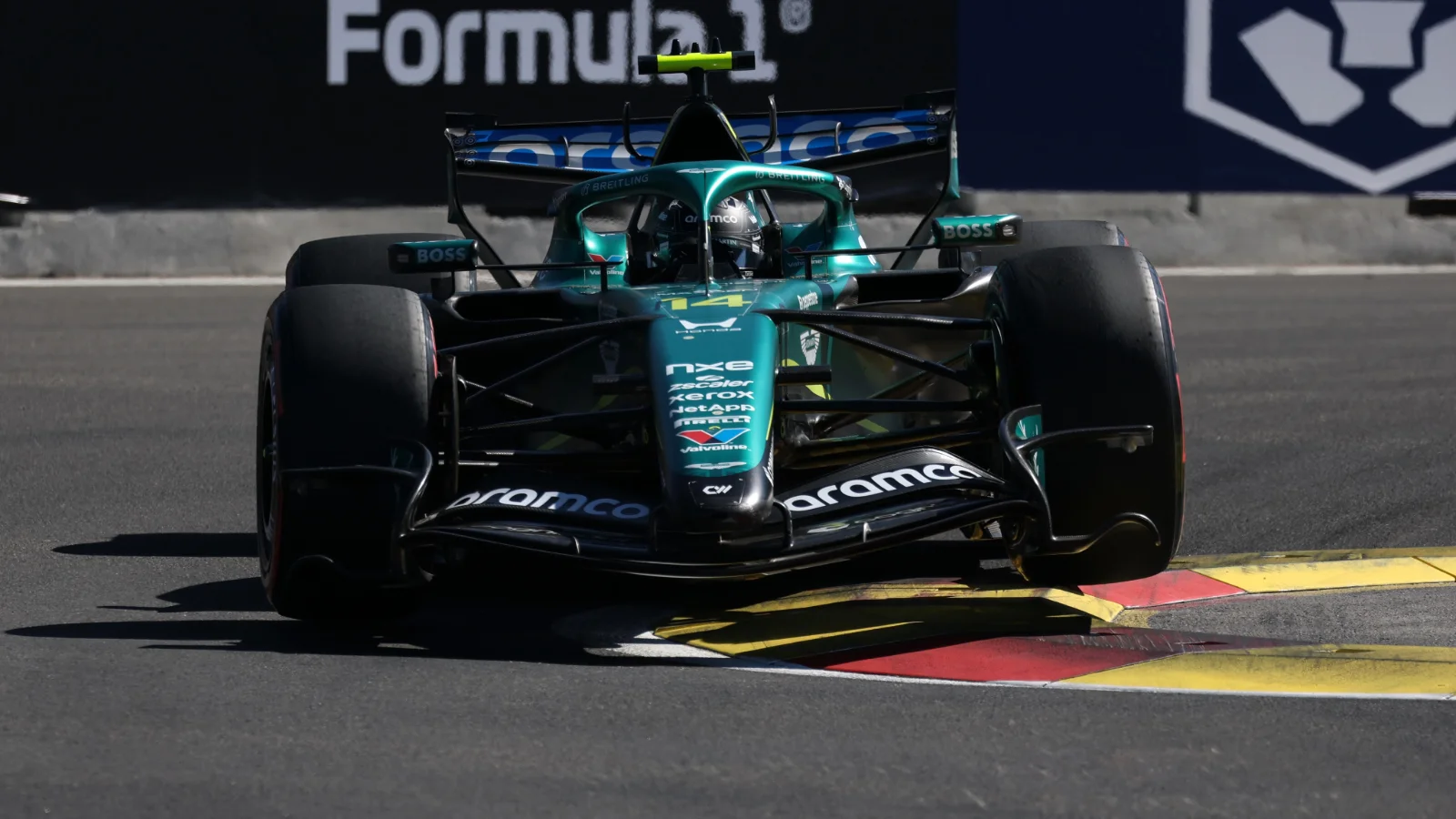
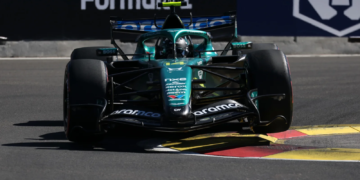
Aston Martin Chief Technical Officer Enrico Cardile has declared that the team’s AMR27 will be “a completely new car” for the 2027 Formula 1 season, despite it being expected to conceptually evolve from this year’s challenger.
Aston Martin arrived at 2026 with high expectations following the arrival of Adrian Newey as team principal and a switch to Honda power, Red Bull’s former engine supplier. But the season has been difficult, with the team restricted to just three points and sitting 10th in the Constructors’ standings.
There have been recent signs of progress, however — Aston Martin introduced a B-spec car at the Hungarian Grand Prix in July, followed by a Honda engine upgrade at the Dutch Grand Prix, where Fernando Alonso scored the team’s best result of the season with ninth place.
Speaking to Aston Martin’s official website, Cardile — who joined Silverstone in 2025 after a stint as Ferrari’s technical chief — gave the first clues about how the AMR27 will take shape.


Asked how the car will evolve for 2027, Cardile said: “Every single part will be new. Everything will have been improved.
“But conceptually, it will be an evolution of the direction we took with this year’s car.
“We’re on the right path now, but we’re not tied to it.
“Let’s put it this way: when it comes to tackling the ’27 project, we haven’t placed any constraints on ourselves in terms of trying to carry anything over from the previous car.
“In this sense, it will be a completely new car, and it gives us the freedom and mindset to achieve what we want.”
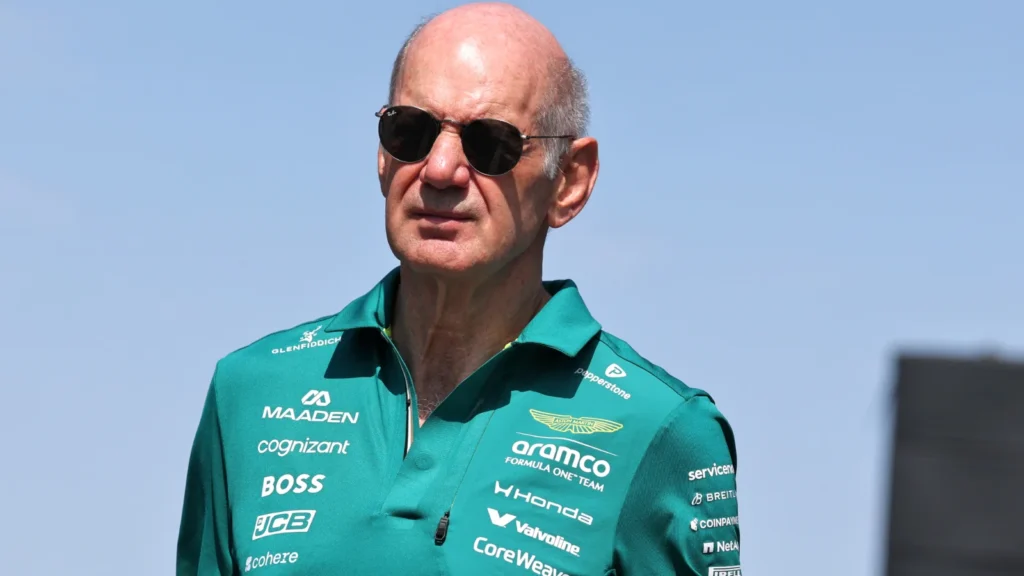
Cardile: 2026 learnings will ‘shape’ 2027 Aston Martin challenger
Cardile said the priority for the rest of this season is extracting as much knowledge as possible to inform the 2027 chassis. Asked how he expects to reflect once the year is over, he said: “I think I’ll only want to talk about 2027.
“Our task now is to extract as much information as we can from 2026 because all of that will guide the 2027 project.
“From now on, it’s a daily challenge in every area: finding more downforce, reducing weight, giving the engineering group more time to run in the wind tunnel, to revisit concepts, to refine components.
“By the end of the year, I expect most of our conversation will be about what we’ve learned and how it’s shaping the 2027 car.”
The 2027 rule changes will move Formula 1 away from the current 50:50 split between internal combustion and electrical power, alongside smaller chassis tweaks. Newey has previously flagged the area at the front of the floor as one of the key zones to get right under the new regulations.
He explained: “The most obvious changes [for 2027] are on the power unit side: five per cent extra fuel, some adjustments to energy storage and deployment and some finer tweaks.
“On the chassis side, the changes are fewer but still significant. The biggest is to what’s often called the ‘bib’ or ‘tea tray’ at the front of the floor.
“The leading edge has been moved by about 300 millimetres, which allows you to run the front of the car lower. That brings a different set of aerodynamic characteristics.
“There’s also a slightly shallower rear wing to reduce downforce, some changes to the front of the floor – the ‘bear claws’ or ‘fingers’ reducing from five to three – and the removal of various tricks teams have been using around the exhaust and rear wing.
“The key one for us is that front-of-floor change. It gives everyone a different aero challenge to solve.
“Because we’ve effectively been forced to grow up quickly as a team over the last 12 months, we’re in a much better place to capitalise on the regulation changes than we would have been a year ago.
“We’re a much more mature organisation now, and that leaves me very optimistic about what’s to come.”
READ MORE – Aston Martin reveals ‘strong confidence’ for 2027 F1 turnaround





Discussion about this post