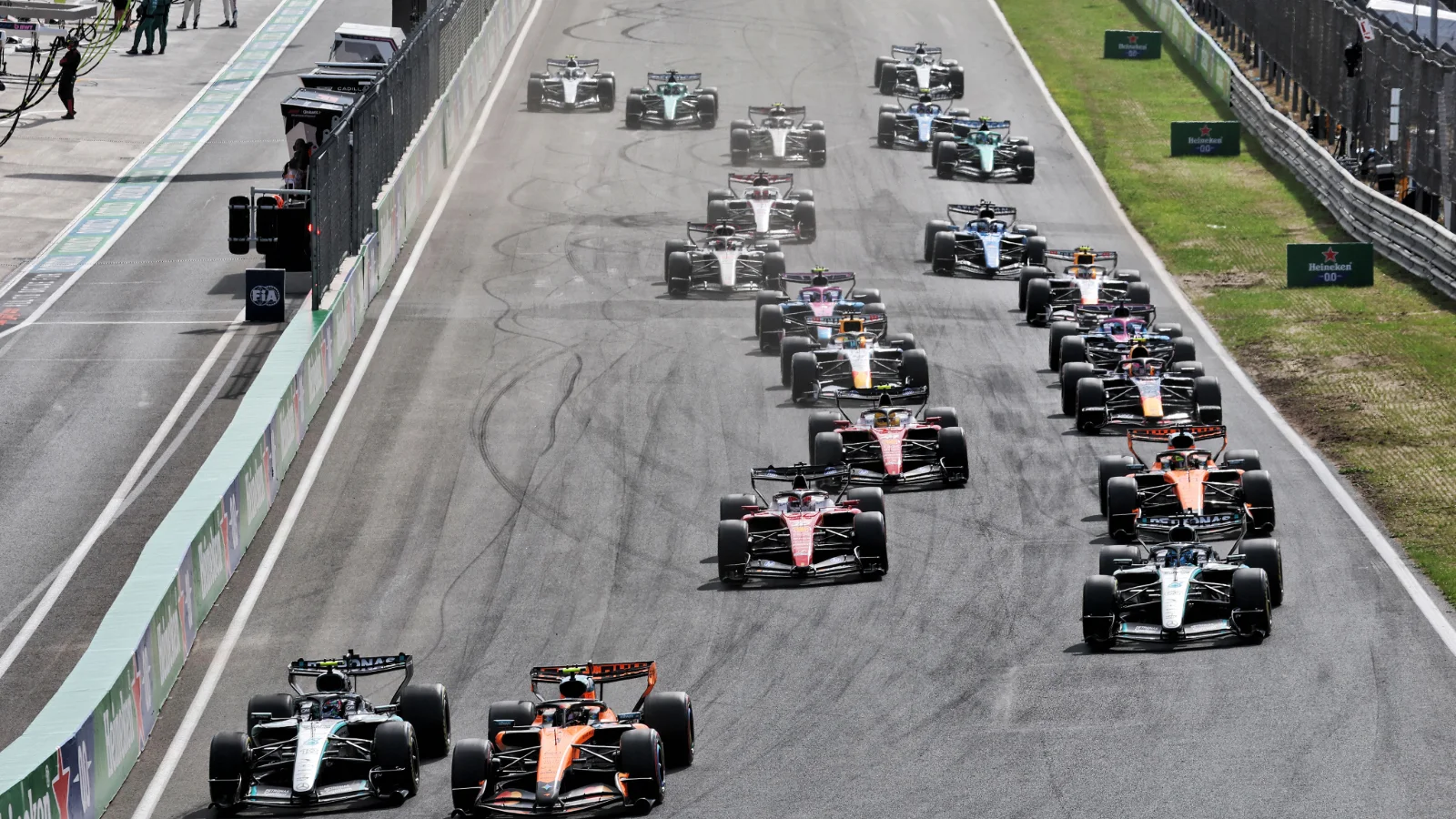
Formula 1 bettors spend enormous amounts of time trying to predict what will happen on Sunday.
They probably ought to spend a little more time thinking about when they place the bet.
F1 may be one of the strangest betting markets in sport because so much useful information arrives after bookmakers have already posted their first prices.
Practice changes things. Weather changes things. Upgrades change things. Qualifying changes almost everything.

And by the time the casual bettor finally decides he likes a driver, the rest of the market may have reached exactly the same conclusion.
The prediction can be right.
The bet can still be bad.
Being right isn’t enough
Suppose you believe a particular driver has an excellent chance to win.
Early in the week he’s available at +500.
After encouraging practice runs, he’s +350.
Then he sticks the car on the front row in qualifying and suddenly you’re looking at +190.
Same driver. Same race. Completely different wager.
That’s the part of betting that gets overlooked when people talk exclusively about picking winners. The question isn’t simply whether Max Verstappen, George Russell, Lando Norris or anyone else wins.
It’s whether the probability of that result is greater than the probability reflected in the price you’re being asked to pay.
Motorsport Week recently made essentially the same point when examining favourites and underdogs: the competitor most likely to win isn’t automatically the competitor offering the most betting value. That distinction becomes particularly important in Formula 1.
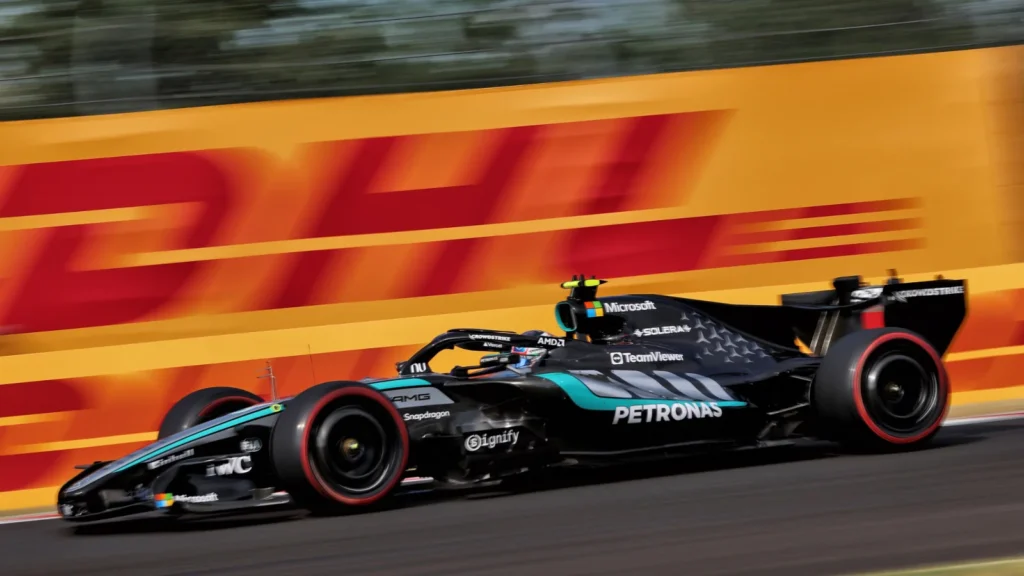
Qualifying can destroy a good bet
Formula 1 gives bookmakers a convenient series of information checkpoints.
First comes the opening market. Then practice. Then qualifying. Then everything that happens between qualifying and the race: penalties, weather forecasts, setup changes, technical issues and strategic clues.
Every piece of information gives the market another opportunity to become more accurate.
That isn’t necessarily good news for the bettor.
Imagine you’ve identified a driver whose car appears particularly well suited to a circuit. Before practice, the market isn’t certain. That’s potentially useful. After three practice sessions demonstrate exactly what you suspected, you’re no longer the clever one in the room. Everybody has seen it.
After qualifying confirms it again, any pricing mistake may be gone entirely.
The driver can still win Sunday.
But the value may have disappeared Saturday.
There’s also a cost to betting too early
Of course, this cuts both ways.
Hammering a number on Monday merely because it’s larger isn’t sophisticated betting either.
You’re accepting additional uncertainty. The driver could struggle with a new component. The circuit could expose a weakness the simulations didn’t reveal. Weather could completely change the weekend. A grid penalty could appear.
You received the bigger number because you accepted greater risk.
That creates the basic F1 betting dilemma:
Bet early and get uncertainty with potentially better prices. Bet late and get better information with potentially worse prices.
There’s no universal answer. That’s what makes the market interesting.
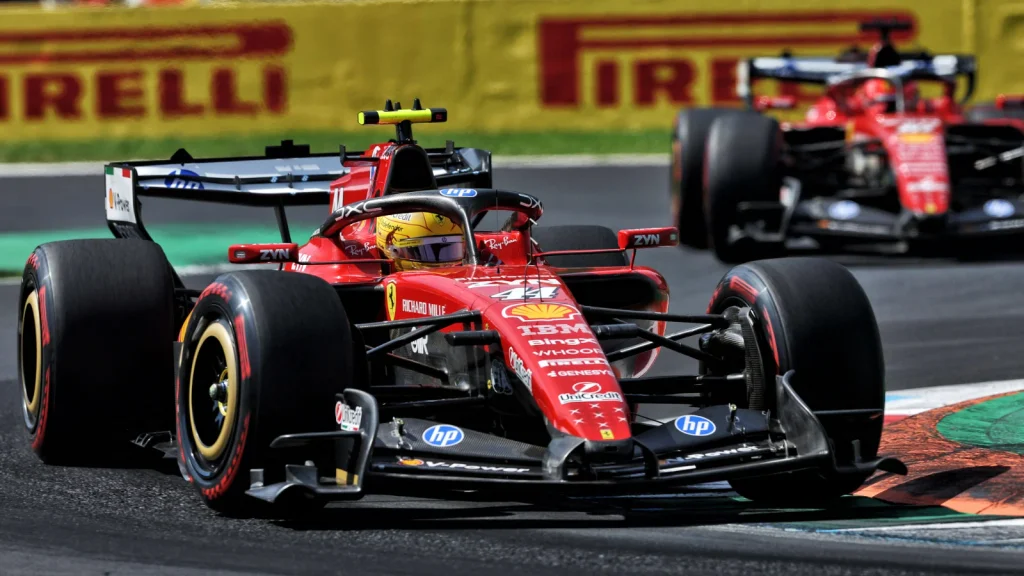
Different sportsbooks can tell different stories
Timing isn’t the only source of price differences. Sportsbooks don’t always agree.
One operator might move aggressively after practice. Another may be slower. One might attract a disproportionate amount of public money on a famous driver. Another might have enough sophisticated action on the opposite side to maintain its original number longer.
This creates something bettors in more traditional American sports already understand well: line shopping.
Suppose Driver A is +240 at one sportsbook and +260 somewhere else. Twenty points doesn’t look dramatic on a screen. But if you’re going to make the wager anyway, why deliberately take the inferior return?
Do that repeatedly over an entire season and small pricing differences stop being small.
Motorsport makes shopping particularly interesting
In an NFL game, the bettor may compare a point spread across several books. Motorsport is messier.
There may be markets for race winner, podium finish, points finish, qualifying winner, fastest lap, driver head-to-heads, constructor results, retirement markets, and an expanding variety of live bets.
Motorsport Week has already documented how live markets can turn practice, qualifying and even incidents during a race into betting information. Not every sportsbook prices all of those markets equally well. Some barely offer them.
That means comparing sportsbooks isn’t simply about finding +260 instead of +240. It’s also about finding the market you actually want to bet.
American bettors have another variable
For US bettors, sportsbook availability adds another layer.
State-regulated operators vary depending on where a bettor is located, and offshore sportsbooks operate under a different regulatory model. The two categories shouldn’t be treated as interchangeable.
Regulated US sportsbooks generally provide state-level oversight and formal consumer protections. Offshore operators can differ in market depth, limits, cryptocurrency banking and accessibility, but they do not provide the same US state-regulatory framework. That makes due diligence particularly important.
OddsTrader’s offshore sportsbook research evaluates operators across areas such as payout reliability, odds value, wagering limits, banking, rules and long-term reputation instead of looking only at the size of a welcome promotion.
For a motorsport bettor, market coverage should be part of that evaluation too. A sportsbook can be perfectly adequate for NFL sides and still have an unimpressive F1 menu.
Don’t confuse a shorter price with better information
There is another psychological trap.
When bettors see a driver move from +500 to +250, the shorter number can make the wager feel safer.
Maybe it is. The market has received more information. But the potential return has also been cut dramatically.
You’re not buying certainty. You’re buying a probability at a price.
And once the price changes, the decision has to be made again. A wager that was attractive Friday morning doesn’t automatically remain attractive Saturday evening just because your original analysis proved correct.
Sometimes the smartest decision after correctly predicting qualifying is not to bet at all.
That’s difficult. Everybody likes being proven right.
Sportsbooks are perfectly happy to charge you for the satisfaction.
Watch the market like you watch the cars
Formula 1 rewards attention.
Tyre behaviour matters. Track evolution matters. Weather matters. Car upgrades matter. And price matters.
If you’re prepared to spend an hour studying long-run pace and sector times, spending another 60 seconds checking whether a different sportsbook is offering a better number shouldn’t feel burdensome.
The bettor doesn’t control the safety car. He doesn’t control Ferrari’s pit wall. He certainly doesn’t control whether somebody decides Turn 1 is an excellent place to discover that two cars cannot occupy the same piece of asphalt.
But he does control the price he accepts.
That’s one of the few parts of the race completely in his hands.