Something shifts in a Formula 1 household the moment a brand-new circuit lands on the calendar. Group chats fill up with track-map screenshots, YouTube deep dives on the corner sequences, and endless debate about whether the surface will grip or grease.
That energy is peaking right now, because the Spanish Grand Prix rolls into the freshly built Madring street circuit in Madrid from 11 to 13 September 2026. A first-time venue always carries a certain electricity, and this one arrives with lights, a home crowd, and the kind of unknowns that make preview week feel genuinely alive.
All of it feeds a fan ritual that keeps growing: turning a race weekend into a full-blown event, complete with the little side interests that make the wait more fun.
That side-interest habit is where a lot of American followers now start comparing notes on offshore sportsbooks. Because a new venue means no historical data, curious fans dig into how the top books stack up on welcome bonuses, deposit matches, and free bets before the cars even turn a wheel. A resource like Learn more lays out rankings of names such as Bovada, BetOnline, and MyBookie, spelling out the rollover terms that decide how a bonus actually converts, plus the crypto deposit and payout conditions that matter to anyone weighing eligibility.


For US-based followers of the sport, that kind of clear side-by-side breakdown answers the practical questions — what the terms really mean, when the offers apply, and how the fine print reads — long before Madrid’s lights go out.
A street circuit built for the spotlight
The Madring project has been one of the most talked-about additions in years, and for good reason. A purpose-built street layout weaving through the Spanish capital promises the tight, walled drama fans love, mixed with a few faster stretches designed to give the cars room to breathe. Nobody has real race pace to lean on here, which is exactly why the paddock buzz feels so heightened. Teams like McLaren, Ferrari, and Red Bull will be feeling their way through Friday practice with unusually open eyes.
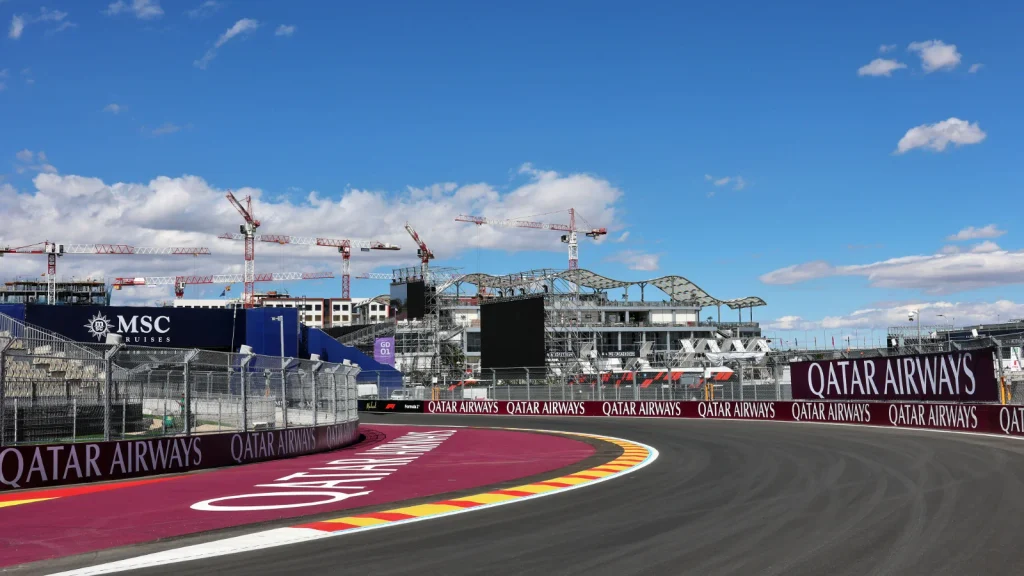
Add the prospect of racing under artificial light and the appeal climbs another notch. Night sessions have a texture all their own — cooler track temperatures, sharper contrast on the broadcast, and an atmosphere that turns a Sunday into a spectacle. For viewers timing their weekend around the action, Madrid delivers a made-for-television backdrop that pays off for fans who plan to settle in for the full three days.
The storylines fans are chasing
Every new track resets the pecking order, at least a little. The big question heading into Madrid is which package adapts fastest to a surface no one has driven in anger. Low-speed traction, braking stability into unforgiving corners, and tyre management on green asphalt could scramble the usual form guide. That uncertainty is catnip for anyone who follows driver ratings and technical development week to week.
There is also the human angle. A home grand prix carries extra weight for Spanish drivers on the grid, and the crowd noise on a hot lap can feel like a wall of sound. The build-up chatter is already loud, and it only grows as Thursday’s media day approaches. That transformation of a race weekend into an event was well documented years ago, with features tracing how a song-contest host reinvented itself as a motorsport destination.
A packed stretch across two wheels and four
Madrid is not the only thing lighting up the schedule. The same weekend, MotoGP heads to the San Marino Grand Prix at the Misano World Circuit, giving two-wheel fans their own reason to block out 11 to 13 September. Misano’s flowing layout beside the Adriatic tends to produce close, aggressive racing, and the timing means enthusiasts can bounce between disciplines all weekend.
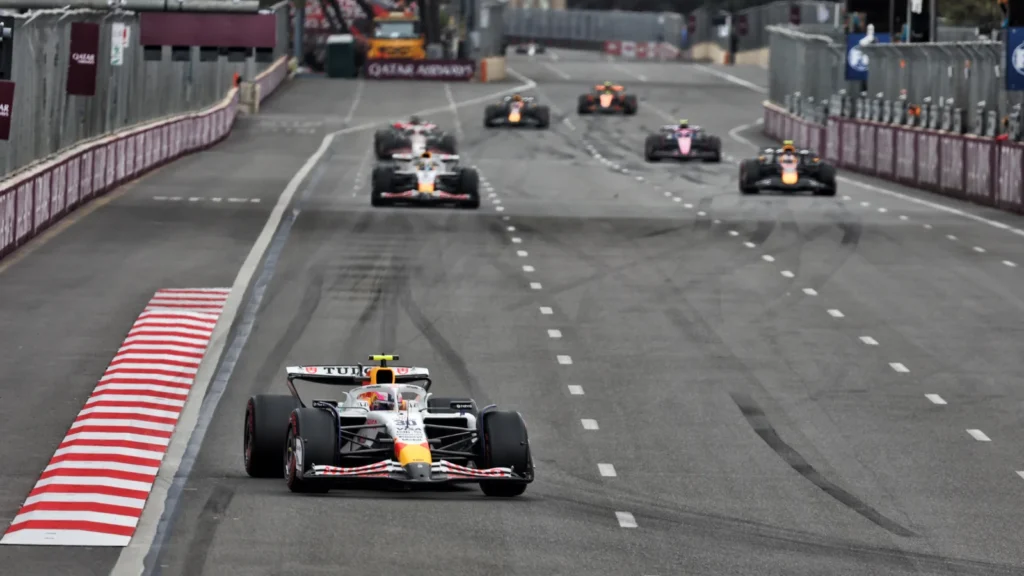
Beyond that, F1 quickly turns toward the Azerbaijan Grand Prix at the Baku City Circuit from 24 to 26 September. Baku is the polar opposite of a brand-new venue — a known quantity famous for its long blast down the seafront and its notoriously narrow squeeze past the old city walls. The contrast between Madrid’s debut and Baku’s established chaos gives fans plenty to compare as the calendar barrels through the month.
How Baku earned its place
The Azerbaijani round has a backstory that fans still enjoy retelling. Before it became an F1 staple, the country grabbed global attention on a very different stage, and coverage of how Baku made its mark on the motorsport world captured the moment the racing community took notice of the Caspian capital. The idea of a seaside city hosting a world-class grand prix felt bold, and it paid off with some of the most unpredictable races of the modern era. It is a reminder that circuits, like fans, arrive at the sport from all sorts of unexpected directions.
Rounding out the month at Fuji
For endurance devotees, September closes with the FIA World Endurance Championship 6 Hours of Fuji at Fuji Speedway on 27 September. Fuji’s sweeping layout beneath the mountain has long been a favourite, and a six-hour battle offers a very different rhythm from the sprint intensity of a street circuit. It is the kind of finale that keeps the whole month feeling stacked.
Whatever draws fans in — a debut in Madrid, Misano’s roar, Baku’s walls, or Fuji’s marathon — this stretch pays off for those who lean into the details and make the wait part of the fun.