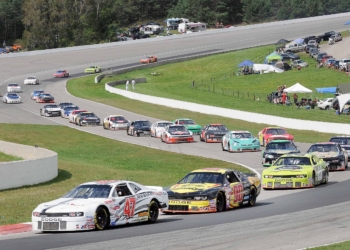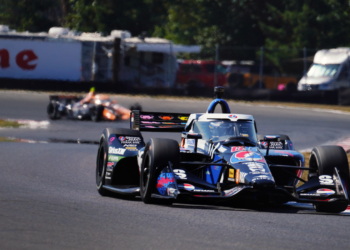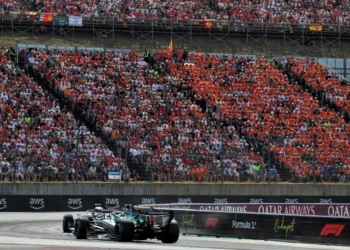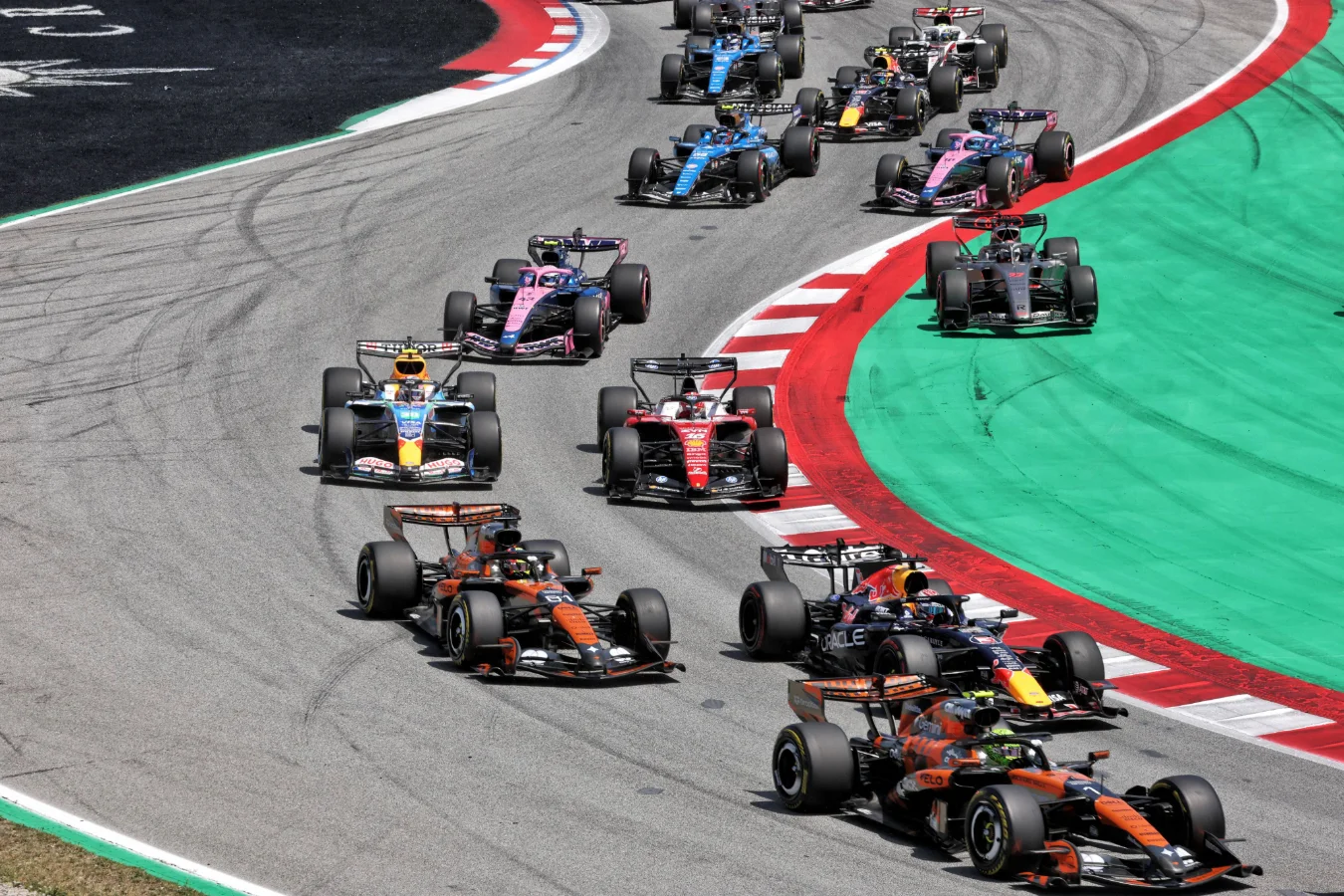
Motorsport no longer begins when the lights go out and ends when the cars return to the garage.
Fans now follow racing throughout the week, often through several screens and digital services. They check schedules, read technical analysis, study lap times, watch short videos, discuss strategy and follow updates from circuits thousands of kilometres away.
This shift does not replace the core attraction of racing. Cars, drivers, engineering, competition and unpredictable results still give motorsport its identity. Digital tools instead change how audiences access information and what they do before, during and after an event.
A fan can move from a timing screen to an article, then to a discussion forum or another form of online entertainment such as Gangstasino without leaving the same device. That behaviour shows how motorsport now sits within a much broader digital routine.
Motorsport has become a full-week activity
Traditional race coverage concentrated heavily on the event itself. Television schedules gave viewers practice sessions, qualifying and the race, while specialist publications filled the periods between with reports and interviews. The internet changed that pattern entirely.
Fans can now follow activity almost continuously. Teams prepare cars, organisers publish schedules, journalists discuss technical changes and spectators debate possible strategies before a car reaches the circuit. After the chequered flag, analysis continues for days. Many spectators now arrive at the first practice session with substantial knowledge about expected conditions, recent performance and technical developments rather than waiting for a broadcast to provide the context.
Live data adds another layer to watching a race
Motorsport produces data naturally. Every lap creates sector times, speed figures, gaps and position changes. Digital platforms can present this information while the action takes place, revealing contests that a television picture may not show — a driver closing a gap by several tenths per lap while the broadcast focuses elsewhere.
Common tools fans use during an event include live timing and position changes, lap and sector times, tyre and pit-stop information, weather updates, race-control messages, written commentary, and circuit maps with driver-tracking tools. These features encourage active viewing rather than passive reception of a single editorial version of events — a distinction that matters most in competitions with large fields or long race distances.
The second screen has become normal
Many motorsport followers now watch races with a phone, tablet or laptop nearby. The second screen reduces the delay between an incident and the audience’s attempt to understand it. When a collision, mechanical failure or controversial decision occurs, viewers often search immediately for another camera angle, the relevant regulation or previous lap times.
The most useful services tend to answer specific questions quickly: where is a particular driver, how large is the gap, which tyre is the car running, has race control announced an investigation. Direct information works well because spectators can check it and return their attention to the track without losing the thread of what is happening.
Short-form content fills the gaps between events
Not every fan has time to watch every practice session or read a long technical report. Brief race summaries, statistical graphics and short explanations help people keep track of a championship when schedules limit viewing time. These formats also help audiences follow series operating in different time zones.
Short content has clear limits, however. A thirty-second clip can show an overtake but may not explain the tyre strategy that created it. A short post can report a penalty but leave out the regulation behind the decision. Fans who want more context still need detailed reporting and longer analysis, which creates a layered system of motorsport consumption that digital platforms can support at every level simultaneously.
Digital communities extend the conversation
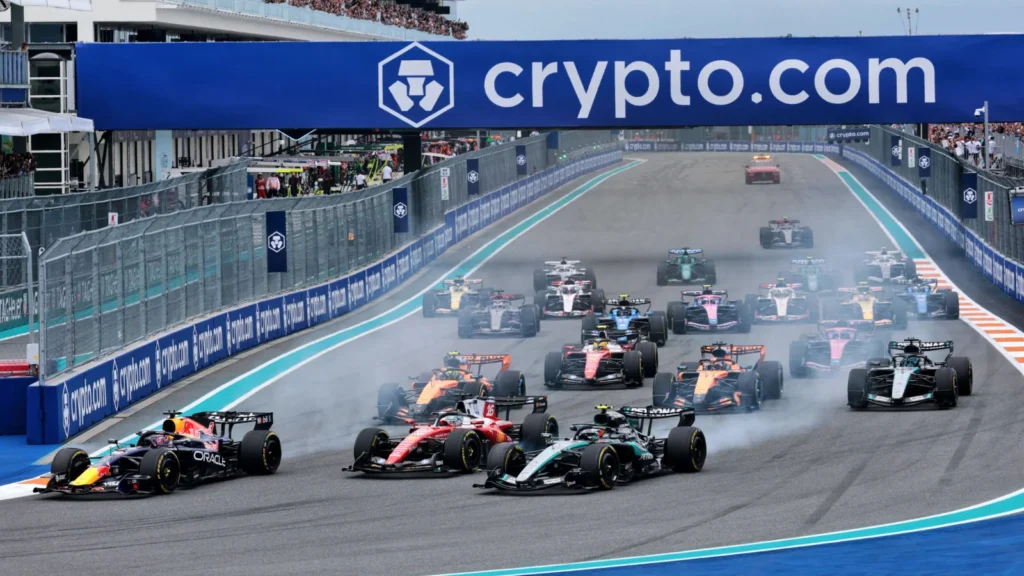
Online communities allow debate about driver performance, technical rules, team decisions and championship prospects to continue regardless of location. A fan who watches a race alone can still discuss it with thousands of other viewers, with discussion becoming particularly active during major incidents, strategic calls and close finishes.
Online conversation also exposes people to different interpretations — one viewer focusing on driving technique, another on engineering, a third on sporting regulations. Reading several explanations can surface details the main coverage did not address, though the speed of online discussion can also circulate speculation before officials confirm what happened. Racing creates particular complexity here because technical failures and sporting decisions often require detailed explanations that short videos rarely provide.
Online platforms make technical information more accessible
Diagrams, animations and interactive graphics can explain aerodynamics, suspension behaviour, energy systems or tyre management more clearly than a brief spoken description. Fans can pause, replay or revisit material at their own pace.
This access has demonstrably changed the level of technical knowledge within parts of the audience — when commentators discuss tyre degradation or aerodynamic damage, informed spectators can now connect those explanations directly with changes in lap time.
A typical race weekend might look like this
[Note: a table or list was missing from the original document at this point — please supply the content for this section before publishing.]
The track still remains the centre of the experience
Despite the growth of online activity, digital services do not replace the fundamental appeal of motorsport. Technology works best when it helps audiences understand the competition rather than pulling attention away from it. More statistics do not automatically create a better viewing experience.
The value comes from relevant information delivered at the right moment — a timing screen that explains a developing battle, a technical graphic that shows why damage affects performance, a detailed post-race report that connects decisions that seemed unrelated during the live event.
The modern motorsport experience combines the circuit, which creates the competition, with digital services that add information, discussion and access around it. Fans decide how much of that additional material they want. What has changed is the amount of choice available and the speed at which audiences can find answers.