Long before Formula 1 became a global spectacle and endurance racing found a new generation of fans, a fast ribbon of asphalt carved through the rolling countryside east of Toronto established Canada as a destination for world-class motorsport. More than six decades later, Canadian Tire Motorsport Park continues to reward commitment behind the wheel and remind spectators why some circuits never lose their identity.
You feel it long before the cars arrive. The elevation changes hide parts of the circuit from view, the trees sit remarkably close to the racing line and every fast corner seems to ask a different question of the driver. Originally known as Mosport, Canadian Tire Motorsport Park has changed ownership, welcomed new championships and modernised its facilities, yet the character that earned international recognition in the 1960s remains unmistakably intact.
A circuit built for the world, not just Canada
The British Empire Motor Club selected the Bowmanville site in 1958 with a bold ambition: create a permanent road course capable of attracting the world’s best drivers. Designed by Alan Bunting around the natural landscape rather than flattening it, the 2.459-mile, ten-turn circuit immediately stood apart from many of its North American contemporaries.
Even before construction finished, Stirling Moss reviewed the plans and suggested replacing the proposed hairpin with two sweeping right-hand turns. The recommendation became Moss Corner, still one of the circuit’s defining features today.


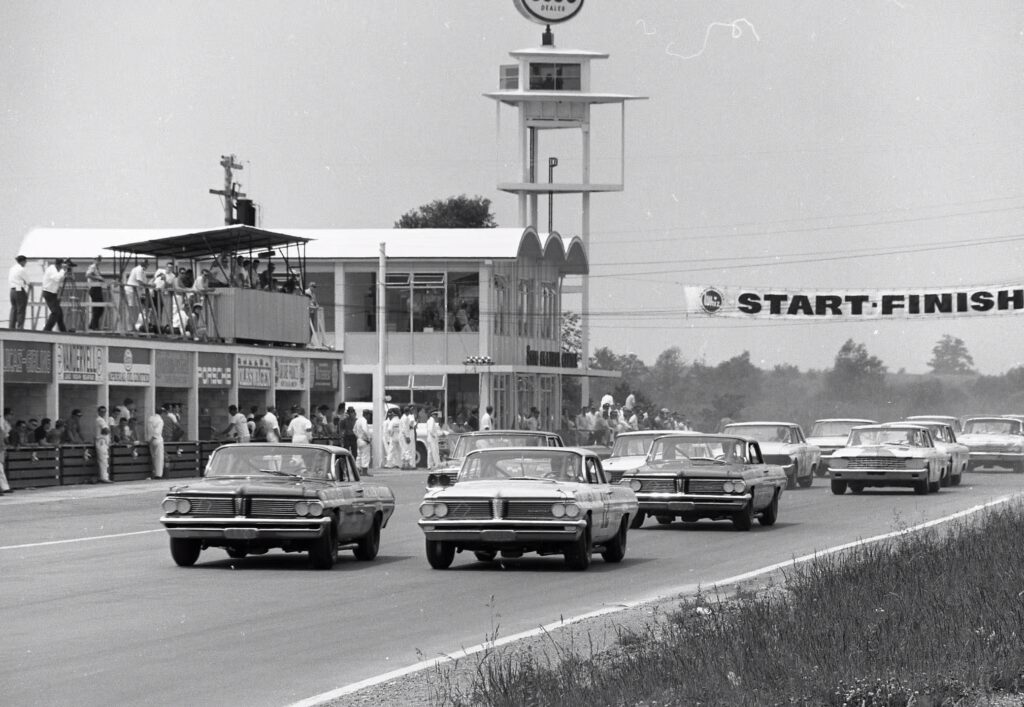
Mosport’s first major international event arrived in June 1961 when more than 40,000 spectators watched Moss win the Player’s 200 in a Lotus 19. Just three years later, Bruce McLaren triumphed before another enormous crowd, confirming that this was far more than a promising new venue tucked away in rural Ontario.
Formula 1 put Mosport on the global map
Canada joined the Formula 1 World Championship in 1967 when Mosport hosted the inaugural Canadian Grand Prix. Jack Brabham claimed victory in a Brabham-Repco after Jim Clark started from pole, beginning a chapter that saw the circuit stage eight World Championship Grands Prix over the next decade.
Jackie Stewart, James Hunt and Jody Scheckter all added their names to Mosport’s history before the Canadian Grand Prix relocated permanently to Montreal after the 1977 event. The race remains one of Formula 1’s most established stops, even as conversations surrounding ongoing calendar uncertainty remind you how valuable long-standing venues have become in an expanding championship.
Although Formula 1 eventually found a permanent home at Montreal’s Circuit Gilles Villeneuve, Mosport’s years on the World Championship calendar had already established Ontario as one of North America’s leading motorsport destinations. The circuit’s reputation helped secure its place on the international racing map, providing a foundation for the major championships that continue to visit the province today.

Motorsport remains one part of Ontario’s wider appeal to visitors and sports fans. Alongside historic venues such as Canadian Tire Motorsport Park, the province is also home to one of North America’s most established regulated online gaming markets. If you are interested in learning more about that side of the province, Casino.org’s guide to online casinos in Ontario explains how the regulated market operates, compares licensed operators and covers everything from licensing and payment methods to game selection, welcome offers and responsible gambling resources.
Ontario’s entertainment landscape may have expanded considerably, but for motorsport fans, the greatest attraction still lies beyond the pit lane.
Speed alone never defines the challenge
Many historic circuits have gradually become slower through redesigns and tighter corner profiles. Canadian Tire Motorsport Park has taken a different path.
The circuit still rewards momentum. Turns 1 and 2 arrive at remarkable speed before the road falls away, asking drivers to commit despite limited visibility over the crest. Moss Corner provides the briefest opportunity to gather yourself before another fast run through the final sector.
That combination explains why IMSA competitors continue to describe the venue as one of North America’s greatest driving tests. Prototype drivers carry extraordinary speed through the opening sequence while negotiating slower GT traffic, making racecraft every bit as valuable as outright pace.
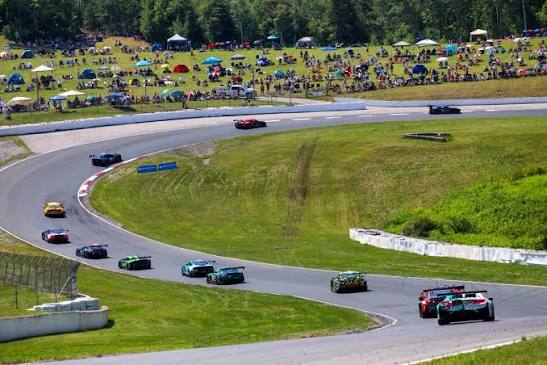
The numbers reinforce the point. Dindo Capello’s outright qualifying lap of 1:04.094 remains one of the circuit’s benchmark performances, while IMSA’s modern prototypes have produced average lap speeds that rank among the fastest seen anywhere on the championship calendar.
Modern racing still honours Mosport’s original spirit
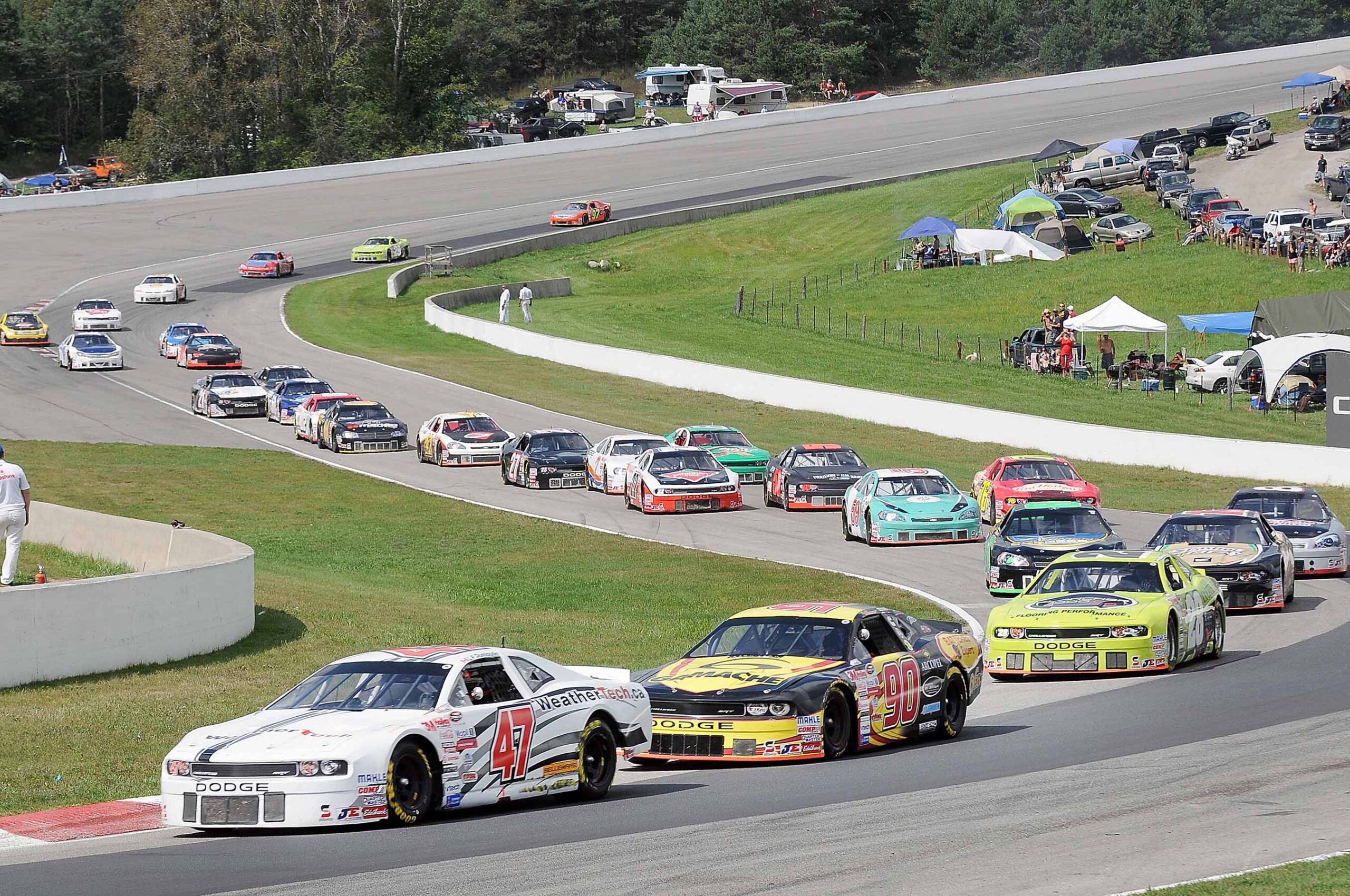
IMSA continues bringing elite sports car competition to Ontario every summer, preserving a relationship that stretches back decades. NASCAR Canada has also made the venue one of its signature destinations, giving homegrown drivers an opportunity to compete on one of the country’s most respected permanent road courses.
Those championships now define Canadian Tire Motorsport Park’s modern identity, yet it is difficult not to wonder what today’s Formula 1 stars would make of the circuit. How would championship leader Kimi Antonelli approach its blind crests? Where might Max Verstappen find an extra tenth? Could Lewis Hamilton unlock another level around one of North America’s most demanding road courses?
We may never know, but questions like those speak to the enduring appeal of a venue that continues to capture the imagination almost 60 years after it first welcomed Formula 1.
Walk around Canadian Tire Motorsport Park today and you will still find a circuit that demands respect rather than offering comfort. Championships have evolved, technology has transformed race cars and generations of drivers have come and gone. Through all of it, the road that winds across the hills outside Bowmanville has continued asking exactly the same question: how brave are you willing to be?