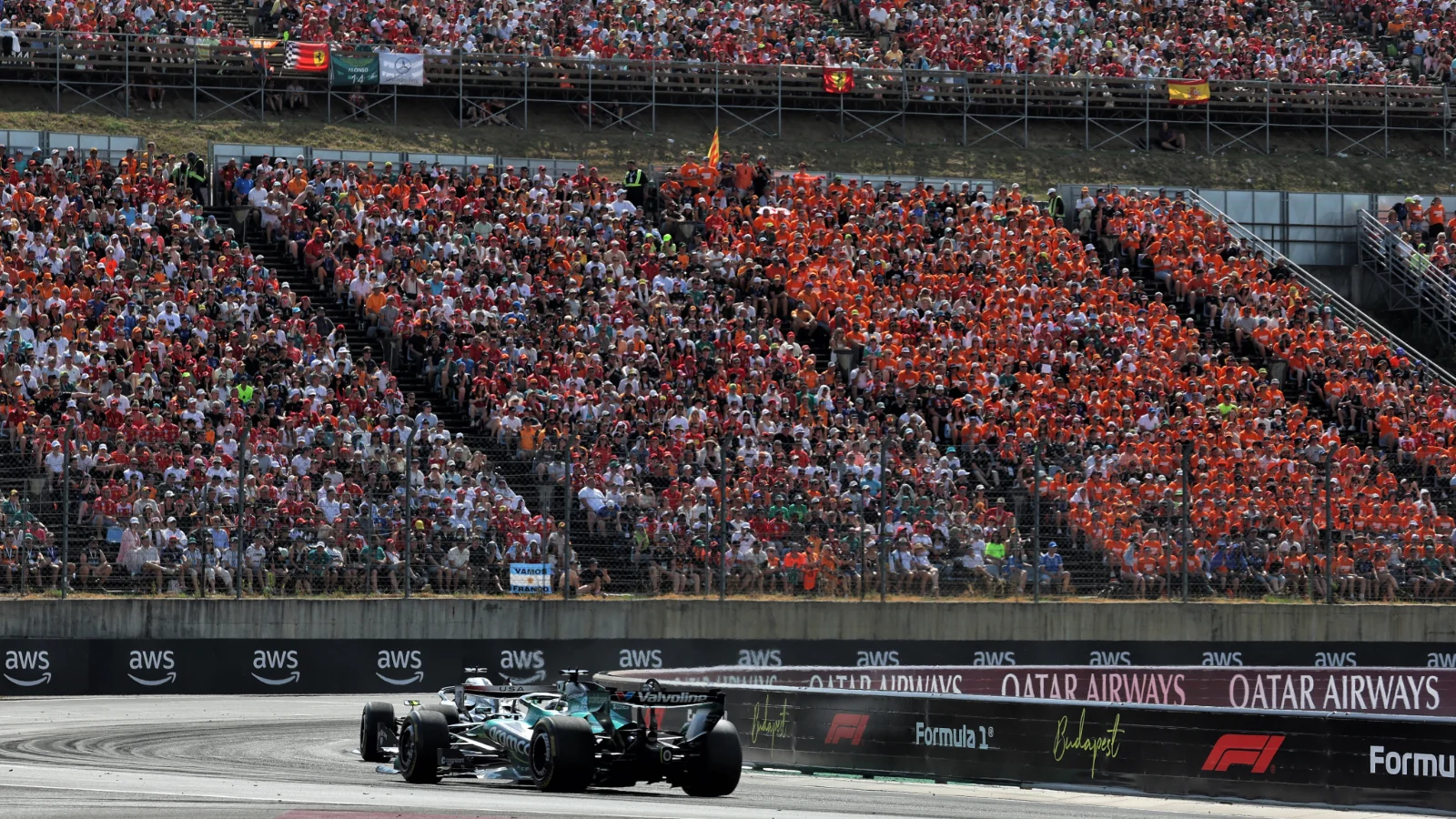
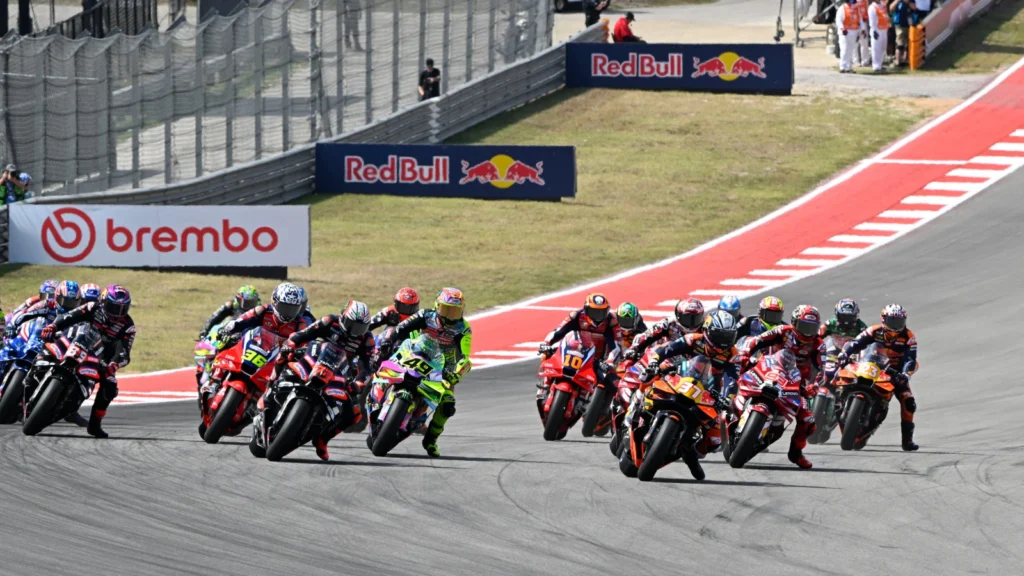
Modern motorsport is no longer built around race weekends alone. Formula 1, MotoGP, endurance racing and other major championships now operate as year-round entertainment platforms, supported by streaming services, social media, mobile applications and increasingly varied commercial partnerships.
That shift has changed what sponsors are expected to provide. A logo on a car or trackside barrier still has value, but the strongest partnerships now give fans something they can use, access or experience away from the circuit.
Sponsorship is becoming more interactive
Traditional motorsport sponsorship focused heavily on visibility. Brands wanted their names on liveries, driver overalls and television broadcasts. Those assets remain important, especially in championships with international audiences, but digital engagement has added another layer.
Formula 1’s expanded partnership with American Express is a clear example. As reported by Motorsport Week, the agreement increased the payment company’s presence across more than 20 races and built on an earlier regional partnership in the Americas. Partnerships of this type connect branding with ticket access, hospitality, member benefits and event-related experiences rather than relying on exposure alone.

The result is a more measurable commercial model. Sponsors can track registrations, campaign engagement and customer activity, while rights holders can offer tailored promotions to different markets.
Why promotions need clear value
Motorsport audiences are commercially attractive because they are highly engaged and comfortable with technology. However, that also means fans are used to comparing offers rather than accepting every promotion at face value.
A strong digital offer should explain who is eligible, what the user receives and whether any restrictions apply. This matters for ticket packages, streaming trials, loyalty programmes and financial products. It also applies when motorsport audiences encounter promotions from betting or gaming brands.
In Ireland, readers who also use online gaming services may compare casino welcome bonuses by looking at wagering requirements, minimum deposits, expiry periods and game restrictions instead of focusing only on the advertised amount. That comparison process reflects a wider change in consumer behaviour: the headline creates interest, but transparent terms determine whether an offer has practical value.
Motorsport provides a natural digital testing ground
Few sports combine technology, data and live entertainment as closely as motorsport. Fans already follow timing screens, tyre strategies, telemetry graphics and team radio alongside the television broadcast. This makes them receptive to digital products that improve access or add context.
The FIA describes Formula 1 as a championship driven by engineering excellence and technological innovation. That identity gives commercial partners room to develop campaigns around speed, precision and advanced technology, provided the partnership remains relevant to the audience.
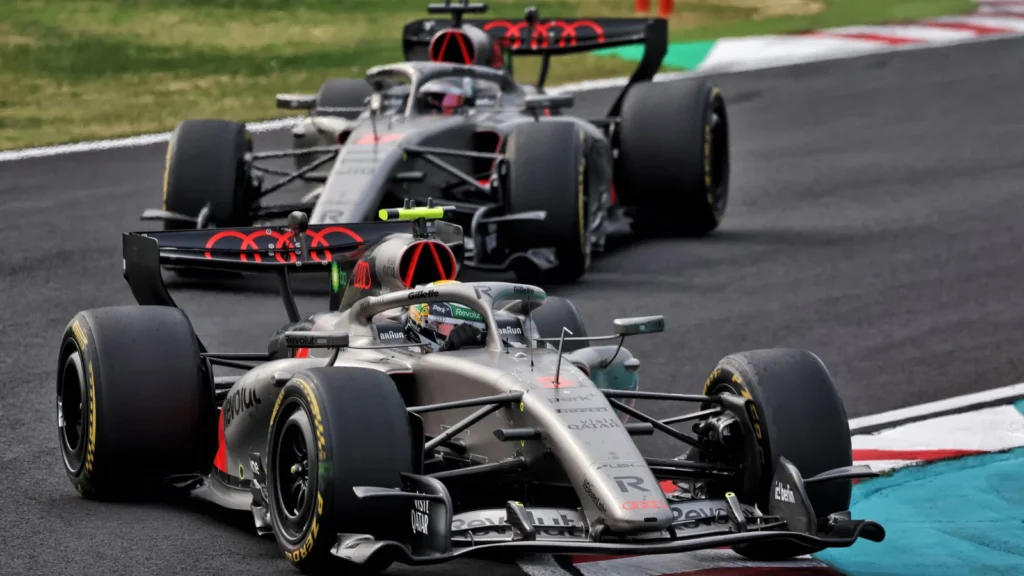
The best activations do not interrupt the sporting experience. They support it through useful information, exclusive access, competitions, hospitality or clearly presented rewards. Poorly matched promotions, by contrast, can look detached from the championship and weaken trust in both the sponsor and publisher.
Responsibility will shape future partnerships
As gambling and casino brands become more visible in sport, responsible promotion will become increasingly important. Age restrictions, regional rules and clear terms should be treated as essential parts of any campaign. Promotions should never imply guaranteed returns or present gambling as a route to income.
Motorsport publishers and rights holders also need to maintain editorial relevance. A commercial article should still give readers useful information about racing, sponsorship, technology or fan culture. When the subject is forced into an unrelated story, the link may be visible, but the content provides little long-term value.
The next phase of fan engagement
Motorsport sponsorship will continue moving beyond static branding. The next phase will be shaped by mobile access, personalised offers, digital memberships and partnerships that connect the race weekend with a broader entertainment experience.
For fans, the main benefit should be greater choice and better access. For sponsors, success will depend on relevance and transparency. The brands that understand both sides are more likely to become part of the motorsport experience rather than simply appearing beside it.