
Nine-time Le Mans winner Tom Kristensen believes the 2026 Formula 1 regulations seemingly reward intelligence over bravery.
The all-new technical regulations have completely transformed the core DNA of F1 this season.
The biggest changes have occurred on the power unit side of things, with the latest-spec PUs now featuring a nearly equal 50-50 split between electric and combustion propulsion.
This has translated into drivers having to rely heavily on energy management, and the tools at their disposal have not best pleased the drivers and the fans alike.

11 rounds into 2026, criticism surrounding the constant lifting and coasting, ‘superclipping’ and mandated downshifts on straights to top up the battery has overshadowed the racing spectacle.
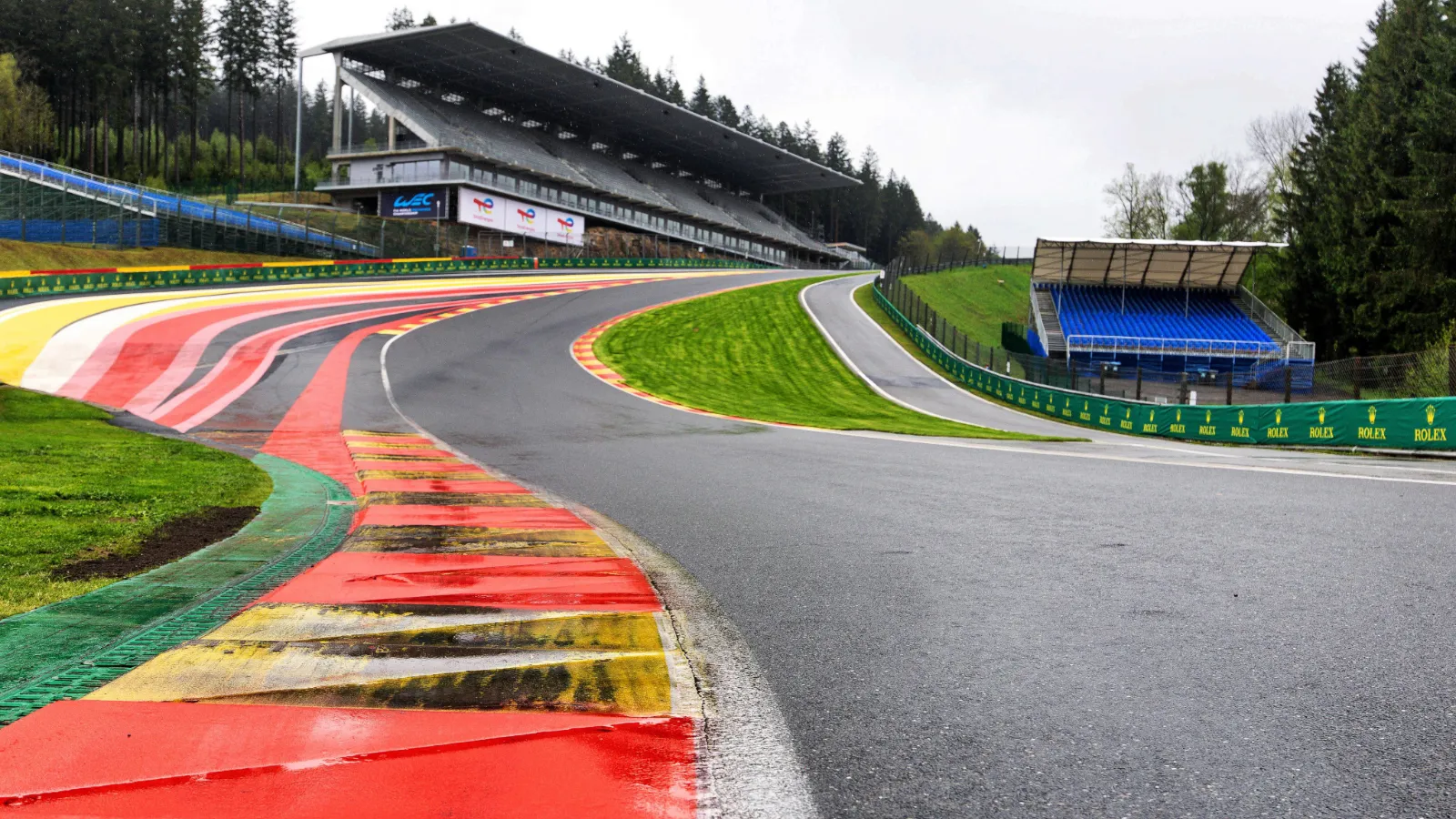
Driving styles have changed, too, with the most pronounced effects visible at what were once considered the most iconic corners in F1, largely due to the flat-out bravery required by the drivers, which had earned them a fighter-pilot-like status.
Corners like Copse, Maggots and Becketts, the Suzuka esses, and Eau Rouge saw drivers calculate entry speed so as to ensure their batteries were not depleted by the time they took to the straights.
Kristensen believes that modern F1 now rewards intelligent driving more than outright bravery.
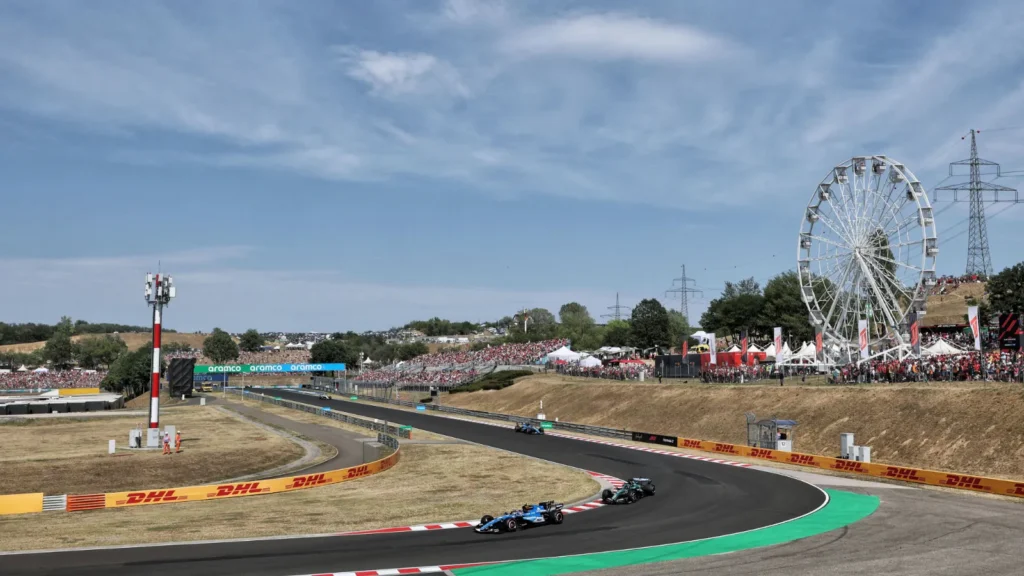
“At some circuits, of course, such as Hungary, they can run sort of flat out,” he said at the Hungarian GP.
“But it’s true that you have had Silverstone, Spa, Suzuka, maybe Baku, Monza as well, where you will have those things. But it just speaks to the complexity of Formula 1 at the moment.
“Drivers don’t decide, so I would say it’s not so rewarding to go through, say, real men’s corners as we would say in my day, and you probably have to look a little bit more intelligently at how you approach a corner like that.
“Sometimes that’s not so rewarding.”
The “conflict” F1 faces with its latest technical direction
F1 is considered the pinnacle of motorsport, and Kristensen believes that the sport has to live up to its moniker, especially in the times of fast-moving technology.
“But anyway, F1 is complicated, and it’s complex, and it’s about being intelligent and creating an opportunity and creating an advantage for yourself.
“If that means that you have to do that a little bit differently, then I applaud that as well.”
That said, drivers like Max Verstappen have been very vocal and outspoken about their criticisms of the current ruleset.
Kristensen can understand why certain drivers have not been enjoying driving the 2026 cars.
“From a driver perspective, certainly we like to be rewarded with having done everything on a knife’s edge through a corner at times. So yes, a little conflict there,” he added.
“Probably, you can say that it’s a little bit below expectation about where you would actually be in terms of the modern technology, so to speak. Maybe, that’s my own point of view.
“But, now it will be adjusted a little bit going forward. In Formula 1, if somebody has an advantage, they will, of course, be reluctant to make changes, so that’s a dynamic of being at the forefront in the toughest sport in the world.”
Heading into 2027, the FOM and FIA have considered driver opinions and will implement a 60-40 split in the engine power allocation, favouring the ICE, by 2028.
READ MORE – Lewis Hamilton handed bleak eighth F1 title verdict despite Ferrari form




Discussion about this post