
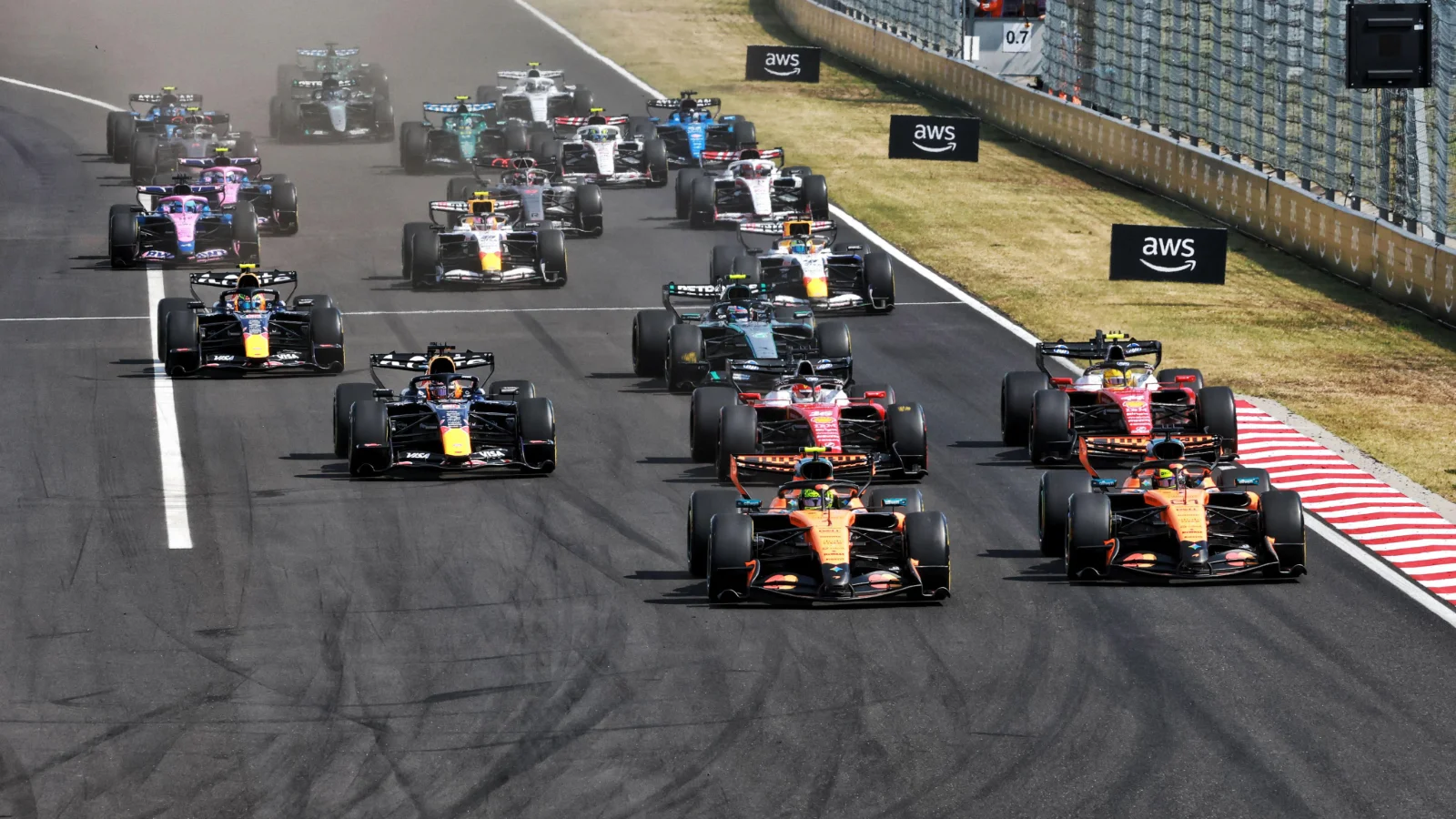
FIA’s single-seater Director Nikolas Tombazis has revealed the headline change envisaged for the next cycle of Formula 1‘s technical regulations.
11 rounds into the 2026 F1 regulations, the paddock and the fans have had divided opinions.
One of the main talking points in the winter was about the ‘nimble car’ concept. The current generation of cars sport a shorter wheelbase and are 30kgs lighter than their ground effects counterparts.
Yet, the inherent characteristics of the engines, with its 50-50 split between the ICE and battery, have stolen the show so far, this season – polarising driver opinions.


Tombazis is aware of the criticism the PUs have taken, but believes the sport is moving in the right direction overall.
“I think probably yes, although one should never assume that the job is finished. But I do think cars follow each other more closely,” he said as per Autosport.
The 2026 aero concept is also more “robust” according to Tombazis, as it hasn’t shown up any concerning gremlins like porpoising under the the erstwhile regulations.
“I believe we are similar to where we were at the start of the 2022 championship, but I think it’s a bit more robust this year,” he explained.
“The various aerodynamic solutions they’ve had, we haven’t found something that has broken the concept, whereas in the previous regulations there were a few things that actually did significantly compromise the concept.
“That mainly relates to the front wing endplates in the last generation car, the floor edges and all the furniture on the front wheel.
“All of those things made the wake characteristics significantly worse. We learned from that and I think hopefully there isn’t any equivalent issue.”
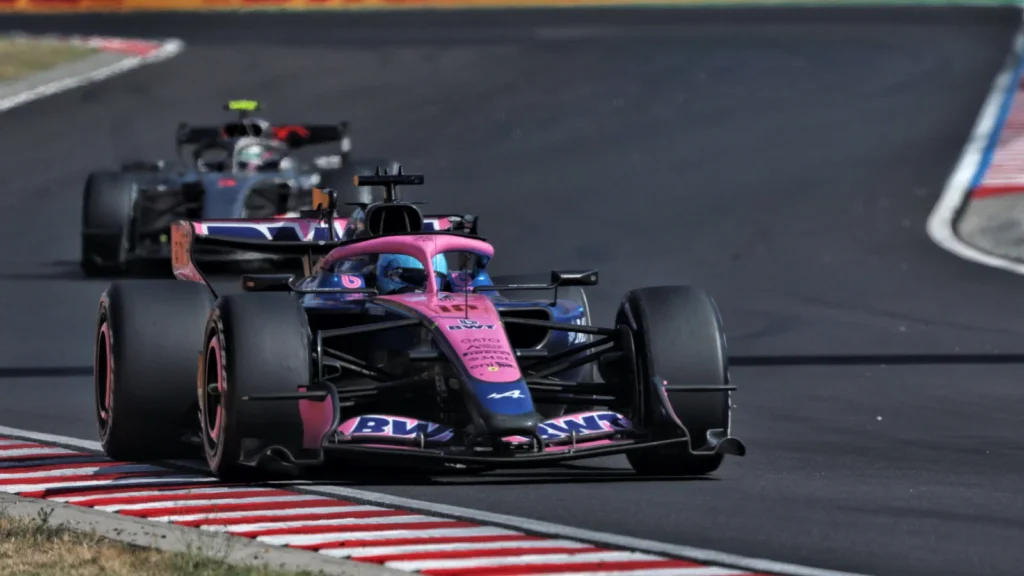
Why 2026 F1 cars have raised the bar in terms of driving ability
A lot of drivers have revealed that they have had to drastically change their driving styles to suit the current generation of cars.
2025 F1 World Champion Lando Norris has even called the MCL40 the most difficult car he has had to wrestle in his entire F1 career.
Tombazis concurs with the drivers’ view. That said, he believes this will eventually make the cream rise to the top as the 2026 cars are “not just cars that anybody can drive”.
“They are still quite difficult cars to drive for the drivers, which I think is good, that they’re not just cars that anybody can drive,” Tombazis added.
“Some of the aerodynamic regulations push towards teams not being able to address every single aspect of a car through a corner, and therefore they do have some challenges.
“I think when we have the 22 best drivers in the world, we should also have cars that are not exactly easy for my grandma to drive.”
FIA is aiming for the biggest F1 weight reduction since the 2000s
One of the biggest criticisms of the modern era of the sport were the overweight and cumbersome cars.
The ground effects cars had a minimum weight of a staggering 798kgs. This translated into a more “on rails” like movement on track.
Tombazis revealed that for the next regulations cycle, the FIA will target at least a further 80kg reduction from what the cars weigh in 2026.
“The cars are a bit lighter and a bit smaller, which the drivers have appreciated,” he concluded.
“Now, is that where I would like us to be? No. I would like us to be another 80 kilos lighter, and maybe still a bit shorter and a bit smaller in the future.
“That’s the sort of target, that we do another big step from what was possible to do now. I think this is not a bad step, but it’s not like I’m saying, ‘Yes, job done, that’s the target’. We want to go to another step of lightness in the future, and also the weight, a significant step.
“This is the first time I think Formula 1 cars have become lighter since probably the year 2000, I would say at least, or maybe earlier.”
The power unit regulations are also expected to undergo a massive revamp, with the sport looking to ditch the current 1.6L V6 hybrid concept for the fan-favourite, more throaty V8s.





Discussion about this post