
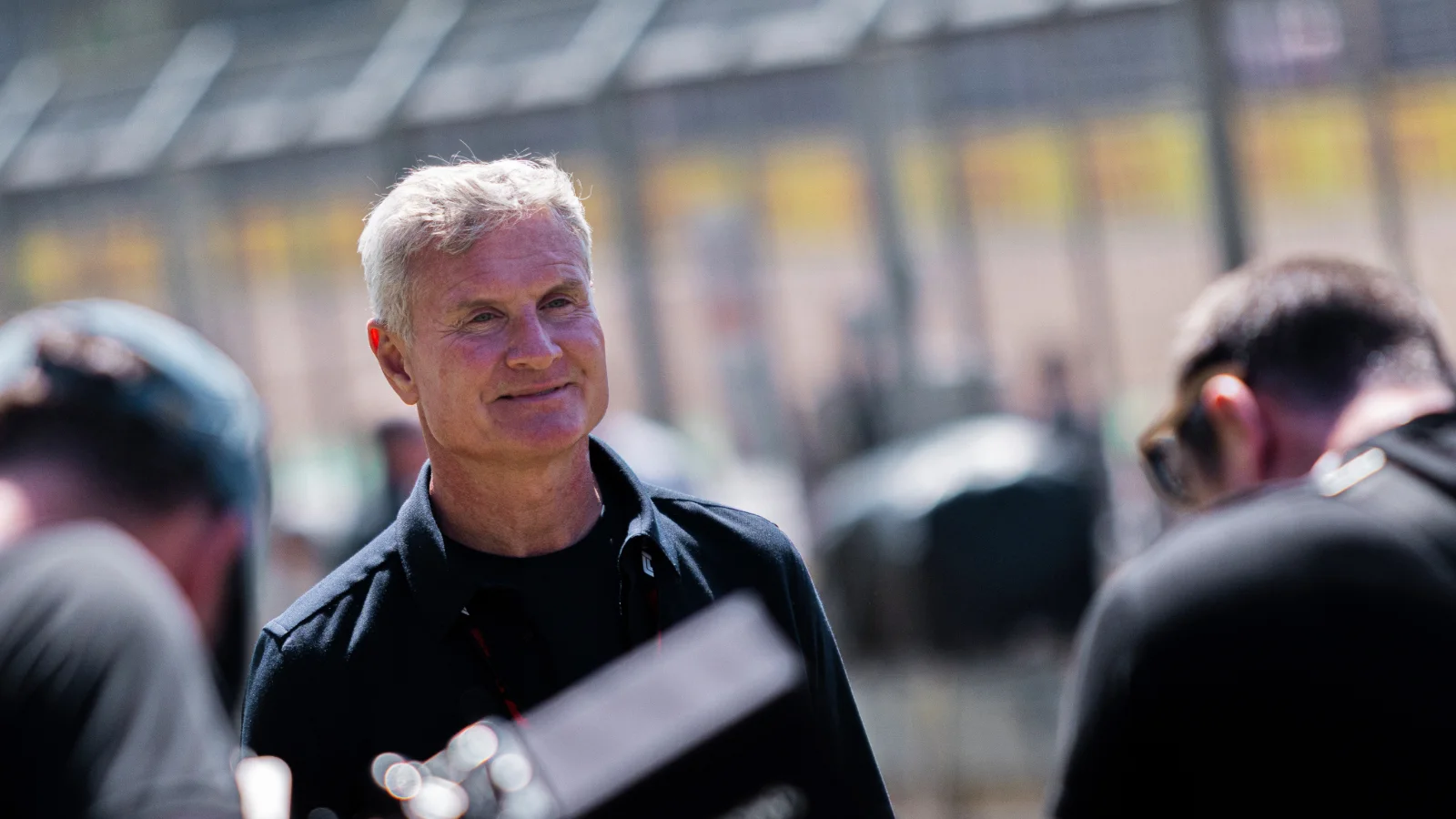
David Coulthard has labelled the start of the 2026 Formula 1 technical regulations as “a bit of a disappointment”, comparing it to the much-derided half-time show at the World Cup.
The Australian Grand Prix marked the first competitive outing for the new technical regulations that divided drivers and fans alike.
Battery management and deployment suddenly became a major focus, as cars decelerated on straights due to the near 50:50 split between internal combustion and electric power.
The sight of cars slowing mid-straight as they ran out of electrical deployment caught many by surprise, despite warnings from within the paddock in the build-up to the season that such issues could arise once the new power unit regulations were put to the test in genuine race conditions.
Urgent changes were made ahead of the Miami GP to address the concerns, as well as the superclipping and yo-yo racing, with further changes scheduled for 2028.
Coulthard likened the start of the new rules era to the World Cup half-time show, calling both disappointing.
“The new regs were a bit like the halftime show at the World Cup,” he said on the Up to Speed podcast.
“It was a bit of a disappointment given that it was coming at us like a road roller. You know, there’s that comedy scene in a movie where the road roller’s coming and the person’s going, ‘Oh, I’m going to get run down.’ And then, kind of next scene, it’s him looking at his watch going, ‘Oh, I’m going to get run down.’
“So, the new regs came at us with drivers and engineers going, ‘This is not going to be good.’ [There was] pretty much silence from everyone else.
“We get to Melbourne and we go, ‘Ah, they have deceleration as they go towards certain corners.'”
David Coulthard praises Miami changes
Coulthard praised the changes made for Miami, but questioned why initial concerns made by drivers and teams were not addressed as the regulations were developed.
“Now, the comeback from that disappointment, I’ve got to say from Miami onwards, has been good,” he said.
“And as we discussed previously, the fact that we’ve had five different winners in the last five Grands Prix is testament to a varied season.
“But I feel that we saw this coming and nobody really was listening, and the fact they had to react to the reality in a sport that simulates the hell out of the future was a bit disappointing.”
His comments echo a wider sense of frustration felt across the paddock that the sport’s vast simulation resources, ostensibly built to anticipate exactly these kinds of teething problems, were seemingly unable to prevent them from playing out so visibly on track once the season got underway.
Both drivers and engineers had flagged similar concerns before a wheel was even turned in anger, yet it took the reality of Albert Park, and cars visibly losing pace mid-corner, before the FIA moved to act.
Even so, the sport’s response has drawn credit from Coulthard, who acknowledged that the swift turnaround between Australia and Miami helped restore competitiveness and unpredictability to the season, even if the process by which it got there left plenty to be desired.




Discussion about this post