Anyone who follows motorsport closely knows that teams invest enormous resources into race weekend preparation.
Engineers, mechanics, strategists, data analysts, and support staff all contribute to getting a driver and car ready for the moments that actually matter. Here is how that preparation actually works.
Studying the circuit
One of the first steps every team takes is a detailed study of the circuit. Teams examine the layout, corner types, braking zones, elevation changes, surface conditions, and expected tyre wear. Historical data from previous races at the same venue helps engineers identify recurring challenges and find solutions before the car leaves the garage.
Track characteristics shape every subsequent decision. A circuit with long straights rewards low aerodynamic drag and strong power delivery, while a technical, slow-speed layout demands mechanical grip and precise setup. Teams invest heavily in understanding those differences before the weekend begins.


Using simulators and data
Modern motorsport teams use simulators extensively in their preparation. Drivers complete virtual laps to rehearse braking points, racing lines, and gear changes, building familiarity with a circuit before setting foot on it. For fans who follow motorsport strategy closely enough to bet on it, specialist sites such as top motorsport betting sites now reflect many of the same variables teams themselves track — tyre strategies, qualifying projections, and race pace comparisons.
Simulators cannot perfectly reproduce real conditions, but they provide a valuable baseline and allow drivers to prepare for unfamiliar circuits or unusual weather scenarios. Throughout the process, performance analysts examine every lap in detail, identifying strengths and weaknesses before the race weekend begins.
Setting up the car
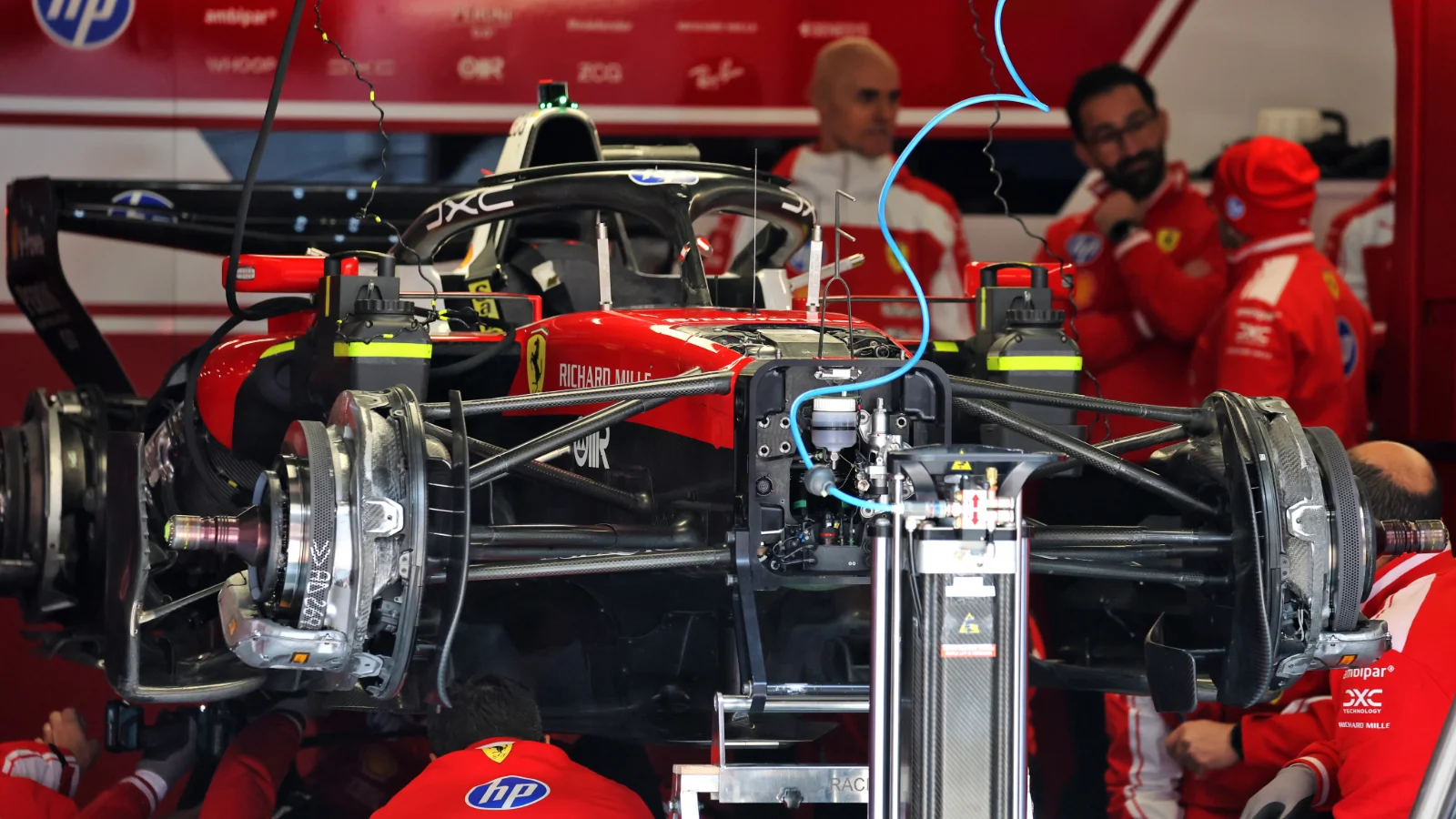
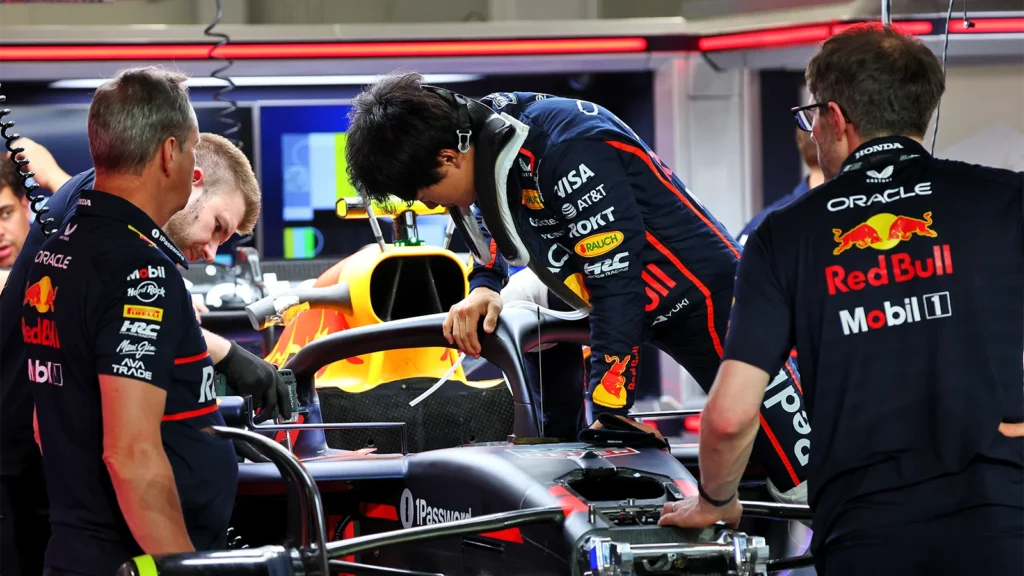
Once the team arrives at the circuit, mechanics carry out a thorough inspection of the car. This covers the engine, brakes, gearbox, suspension, steering, cooling system, and electronics. Every component is checked before a wheel turns in anger.
Car setup involves constant compromise. More downforce improves cornering grip but reduces straight-line speed. A softer suspension absorbs bumps more comfortably, while a stiffer setup improves responsiveness through fast changes of direction. Getting the balance right for a specific circuit requires careful judgement and a clear brief from the driver.
That driver feedback is essential throughout setup. The driver must articulate precisely how the car is handling — whether it is oversteering, understeering, or behaving inconsistently — so that engineers can make targeted changes rather than guessing.
Learning during practice
Practice sessions are irreplaceable. Drivers test setup changes under real conditions and use the sessions to understand tyre degradation, fuel consumption, and race pace consistency. Both short and long runs provide different types of information, and teams plan their programmes carefully to extract maximum data within a limited number of laps.
Conditions can change significantly throughout the day, so tracking temperature, humidity, and wind becomes part of the engineering picture. A car that is well balanced in the cool morning air can behave very differently once the track temperature rises by ten degrees in the afternoon.
Preparing for qualifying
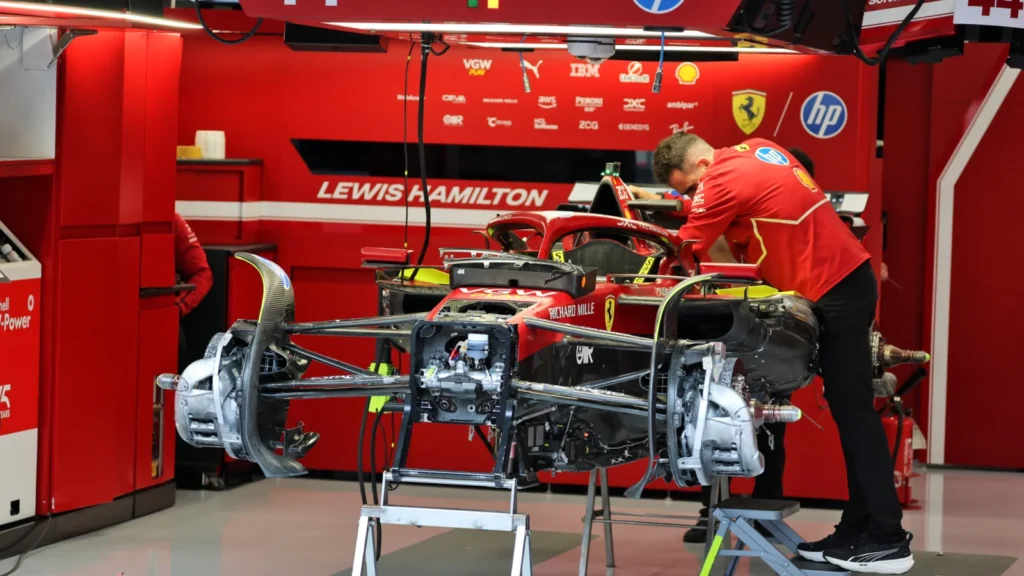
Qualifying demands a different approach from the race. The car typically carries less fuel and the driver focuses entirely on producing the fastest possible lap rather than managing pace over a long distance. Teams adjust the setup accordingly — prioritising peak one-lap performance over race consistency.
This process is time-consuming and precise. Small changes to wing angles, tyre pressures, or brake bias can make the difference between the front row and the third row, and engineers must make those adjustments with limited time between sessions.
Building the race strategy
Before the race, the team’s strategists calculate several possible plans based on different scenarios. They model tyre life, fuel consumption, pit stop timing, safety car probability, and overtaking opportunities. No single strategy can account for every possible outcome — rain, incidents, or unexpected tyre wear can force immediate changes — but having multiple plans prepared allows the team to react quickly rather than improvise under pressure.
The teams that perform best in changing conditions are rarely the ones with the most resources. They are the ones whose preparation was thorough enough to give them the right answers before the questions even arrived.