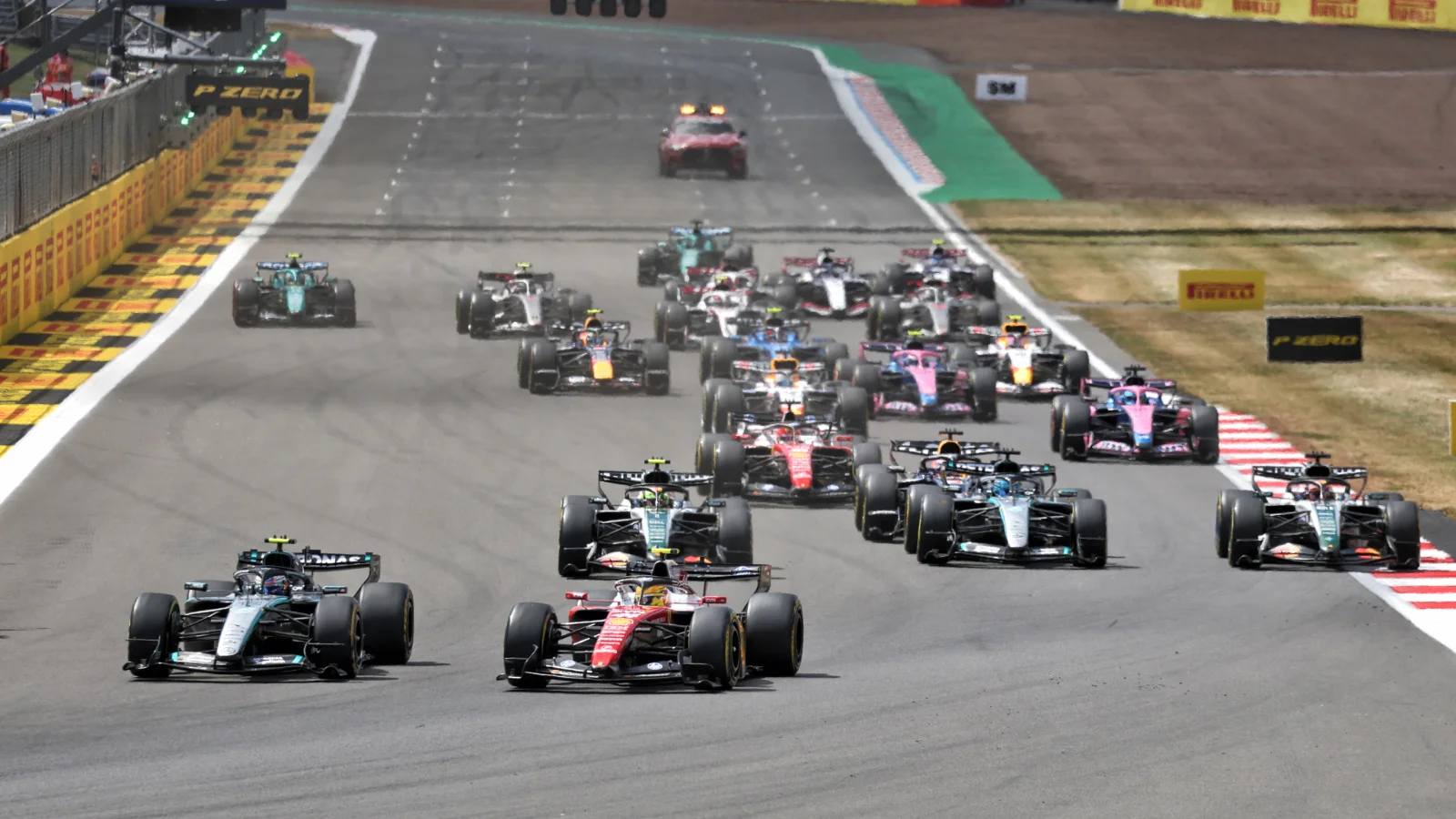
Every racing series rewards speed, yet modern motorsport no longer depends on outright pace alone.
A driver can record the fastest lap of the day and still lose because another team planned every stage of the event with greater precision. Engineers, strategists, analysts, and drivers now shape race results through preparation, timing, and constant decision-making. Every lap offers new information, and every choice carries consequences.
Race weekends generate enormous amounts of data. Teams study tyre wear, fuel use, weather forecasts, traffic patterns, and safety scenarios long before the green flag appears. During the event, they compare live information with pre-race simulations and adjust their plans within seconds. A quick car still matters, but intelligent decisions often determine the final order.
Many fans follow motorsport through several digital platforms between race weekends. Some explore online entertainment such as Gamblerina alongside race analysis, statistics, and simulations because these activities share an interest in probability, timing, and decision-making — a trend that reflects the wider shift toward data-driven digital experiences.

Why speed alone no longer wins
Earlier generations often relied on mechanical strength and driver bravery. Modern championships demand much more. Technical regulations keep performance differences relatively small, which means teams rarely enjoy a large pace advantage over the field.
A few tenths of a second per lap can disappear after one poorly timed pit stop. An unnecessary tyre change may cost several positions. Staying on track during changing weather sometimes delivers a stronger result than switching tyres immediately.
Race engineers evaluate many variables at once: tyre degradation, fuel consumption, track evolution, air and track temperatures, traffic after pit stops, safety car probability, and driver feedback. Each factor influences the next decision, and no single number tells the entire story.
The importance of tyre management
Modern tyres deliver excellent grip for only part of their lifespan. Drivers cannot attack every corner at maximum pace without consequences. Aggressive driving increases wear, raises temperatures, and shortens performance windows.
Instead, many competitors control their pace during certain laps. They protect tyre condition early, preserve grip for the closing stages, and attack when rivals struggle with degradation. This approach often surprises casual viewers — a driver may appear slower during the opening phase while quietly preparing for stronger performance later.
Teams calculate expected degradation before the race, but real conditions rarely match predictions perfectly. Drivers constantly report tyre balance, vibration, grip levels, and surface changes. Engineers compare those comments with sensor data before adjusting strategy.
Timing pit stops correctly
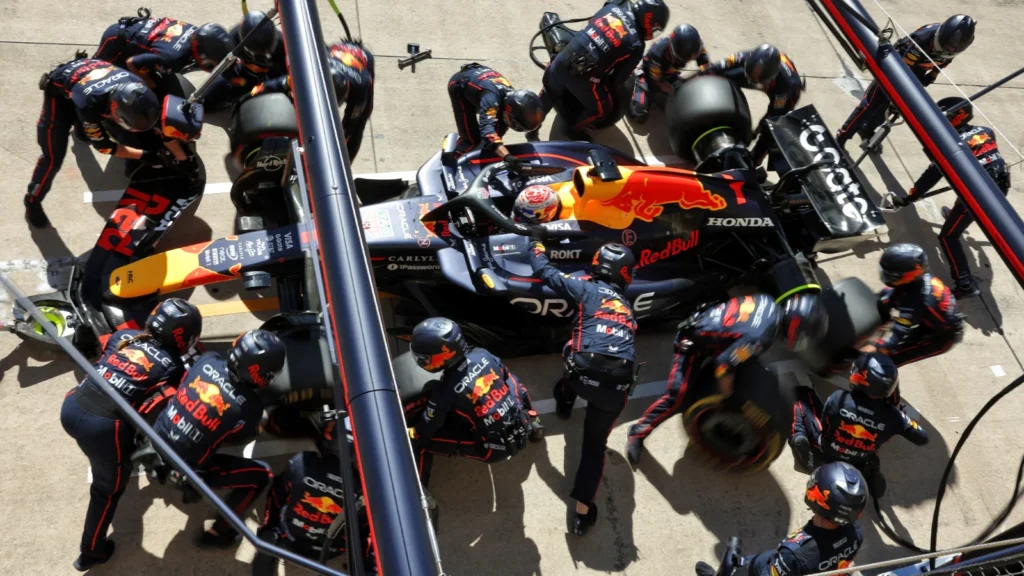
Pit stops involve much more than changing tyres quickly. Timing often matters even more than execution. A stop only a few laps earlier or later can completely alter race position. Teams study traffic before making the call because rejoining behind slower cars may erase every advantage from fresh rubber.
Several questions influence each decision:
| Strategic question | Why it matters |
|---|---|
| Should the driver stop now? | Tyre life and race pace change every lap. |
| Where will the car rejoin? | Traffic may slow progress. |
| Can the driver extend the stint? | Longer stints may create cleaner track conditions. |
| Is weather changing? | Rain or temperature shifts affect tyre choice. |
| Could a safety car appear? | Neutralised races reduce pit stop losses. |
Successful teams rarely focus on only one factor. They evaluate the complete picture before acting.
Safety cars create new possibilities
Few situations change strategy faster than a safety car period. Cars travel at reduced speed, which shortens the time lost during a pit stop. Teams therefore monitor every incident carefully, as one accident can suddenly create an attractive window for fresh tyres.
Not every safety car benefits every competitor. Some drivers have already completed their scheduled stop; others still need service. Timing becomes almost impossible to predict, so strategists prepare several plans before the race begins. Quick communication matters — engineers must calculate tyre condition, remaining distance, traffic, and weather before the field reaches pit entry. Delayed decisions often cost valuable track position.
Weather demands constant attention
Weather forecasts rarely guarantee perfect accuracy. Even light rain changes braking distances, tyre temperatures, and grip levels. Modern teams monitor radar images, local forecasts, humidity, wind direction, and temperature throughout the weekend. Spotters around the circuit also report conditions because rain sometimes reaches one section long before another.
Drivers face difficult choices when weather changes gradually. Dry tyres remain faster until the surface loses enough grip. Wet tyres perform poorly on dry asphalt. Choosing the correct crossover point requires experience, confidence, and accurate information. One lap too early may ruin tyre performance; one lap too late may cost even more.
Data shapes every decision
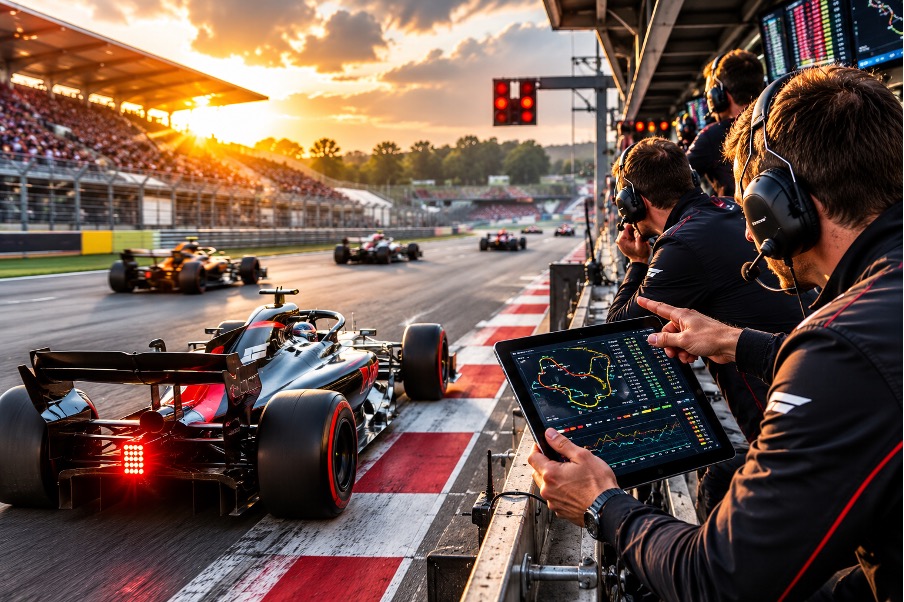
Race strategy depends heavily on information. Engineers collect thousands of measurements every second throughout practice sessions and races. Key performance indicators include tyre temperatures, brake temperatures, fuel flow, engine settings, sector times, corner speeds, steering inputs, and wheel slip.
Specialised software compares current values with historical data and simulation models. Engineers discuss possible scenarios before recommending changes to the driver. Numbers alone never guarantee success, however — human judgement still plays an essential role because racing includes variables that computers cannot predict perfectly.
Drivers influence strategy through communication
Engineers analyse data continuously, yet drivers supply information that sensors cannot measure directly. A driver may notice changing grip before telemetry reveals the trend. Small comments about balance, vibration, or steering feel often help engineers anticipate larger issues.
Clear communication strengthens strategic decisions. Short, accurate radio messages allow engineers to understand conditions without distracting the driver during demanding sections of the circuit. Experienced competitors also know when to protect equipment instead of chasing one fast lap — a discipline that often produces stronger race results over full distance.
Fuel management still matters
Many racing categories continue to place strict limits on fuel use. Drivers therefore balance speed with efficiency. Heavy fuel loads affect braking, acceleration, and tyre wear during the opening laps. As fuel burns away, cars become lighter and often faster.
Strategists calculate expected consumption before the race. Unexpected safety cars, changing weather, or harder racing may alter those estimates. Saving small amounts of fuel early sometimes allows drivers to attack later without exceeding regulations.
Overtaking requires planning
Passing another car rarely depends on straight-line speed alone. Drivers study rival weaknesses during several laps before attempting a move. They may preserve battery energy, protect tyre condition, or remain close while waiting for traffic.
Successful overtaking plans often involve building pressure over multiple laps, preserving tyre grip before attacking, using energy systems efficiently, selecting the strongest braking zone, and protecting position immediately after the pass. Patience frequently produces cleaner overtakes than constant attacks.
Teams prepare multiple race scenarios
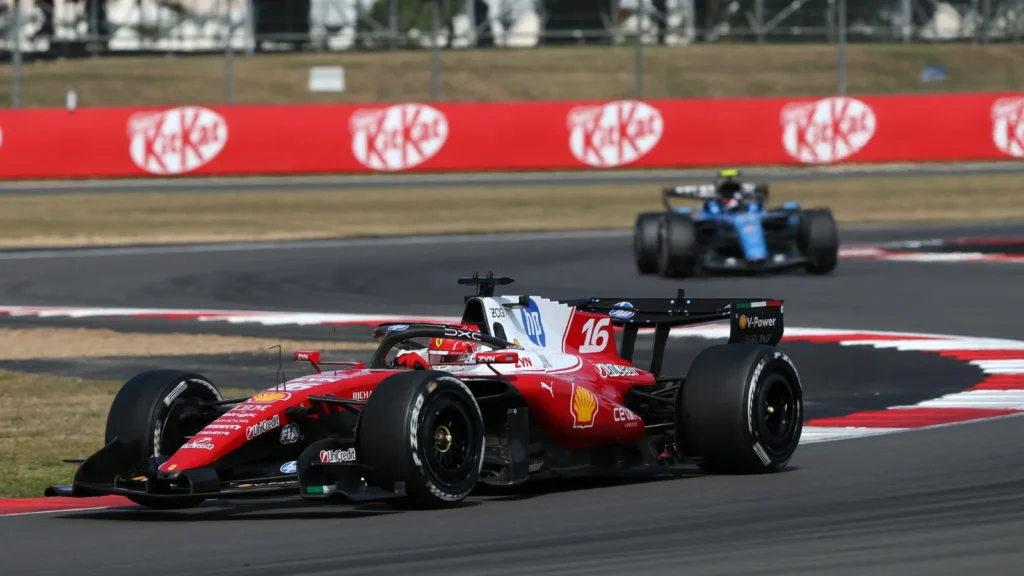
No race follows a perfect script. Strategists therefore create several plans before the event begins, each considering possible interruptions, weather changes, tyre degradation, and race pace. Typical planning covers a normal green-flag race, early and late safety car scenarios, wet or mixed weather conditions, and both high and low tyre degradation outcomes.
During the race, engineers move between these options rather than inventing new plans from nothing. Preparation reduces reaction time when unexpected events occur.
Regulations increase strategic importance
Modern rule books reduce technical advantages by limiting development in many areas. Those restrictions compress lap times throughout the field. Smaller performance gaps increase the value of strategy because overtaking becomes harder. When several cars operate within similar pace ranges, every pit stop, tyre choice, and fuel decision carries greater weight. Drivers still need exceptional skill, but strategy now determines how effectively teams use that talent.
Human decisions remain central
Artificial intelligence, simulations, and advanced analytics support race operations, yet people still make the final calls. Engineers debate possible outcomes before selecting a strategy. Team managers consider championship points alongside race victories. Drivers judge grip levels through direct experience.
Pressure adds another challenge — every important decision arrives within seconds while millions of viewers watch the race unfold. Mistakes happen because motorsport never offers complete certainty. Even perfect preparation cannot predict every incident.
The future of race strategy
Technology will continue expanding the amount of information available during race weekends. Faster computing, improved simulations, and stronger predictive models will help teams evaluate more scenarios before making decisions. Even with better software, strategy will remain a balance between analysis and instinct.
Modern motorsport rewards complete race management rather than outright pace alone. Speed creates opportunities, but careful planning converts those opportunities into strong finishes. Tyre preservation, fuel calculations, pit timing, weather awareness, communication, and rapid decision-making now shape race outcomes as much as raw performance — and that shift explains why strategy continues to grow in importance at every level of the sport.