Few places are associated with a single image as strongly as Monaco.
Mention the principality almost anywhere in the world and two landmarks are likely to enter the conversation: the Casino de Monte-Carlo and the Monaco Grand Prix. One represents more than 160 years of history, the other one of motorsport’s most recognisable races. Although they emerged decades apart, their stories gradually became intertwined.
The connection is not simply geographical, even if the famous street circuit passes directly through Casino Square. Over time, both the casino and the Grand Prix came to represent different aspects of Monaco’s international identity — tourism, architecture, engineering, luxury, and global events.
That influence extends beyond the principality itself. References to Monte Carlo continue to appear in travel writing, films, television, and even digital casino themes, where classic casino imagery inspires online slots and exclusive international tables.


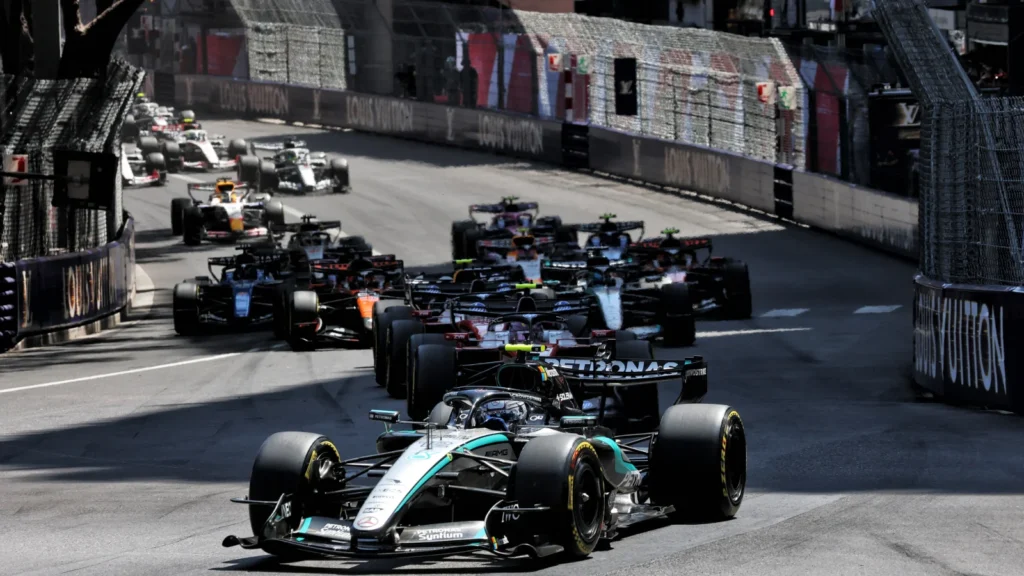
The relationship therefore reaches beyond gambling or motorsport alone. It reflects the way two institutions developed alongside one another and helped shape how Monaco is recognised around the world.
Monte Carlo already had an international reputation
Long before Formula 1 cars arrived in the streets of Monte Carlo, the district had established itself as one of Europe’s best-known destinations.
The Casino de Monte-Carlo opened in the nineteenth century as part of a wider effort to bolster Monaco’s economy through tourism. Managed by the Société des Bains de Mer, the casino served as part of a larger development that included hotels, gardens, theatres, and public spaces.
Rather than competing for tourists through gambling alone, it became the centrepiece of a specialised district designed to attract international visitors.
The Grand Prix added a new chapter
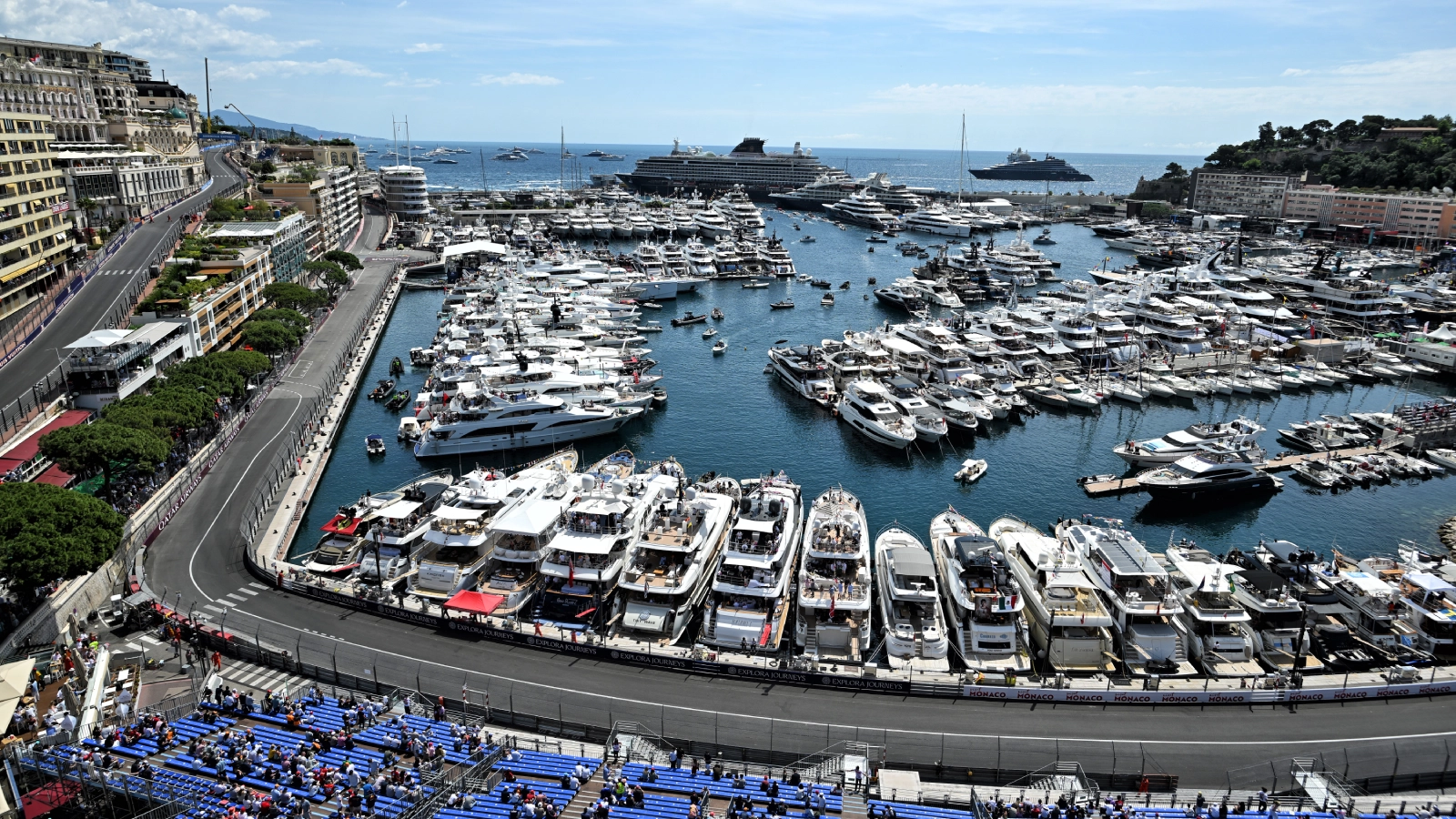
The first Monaco Grand Prix took place in 1929, introducing an event unlike almost any other in international motorsport. Instead of building a purpose-designed racing venue outside the city, organisers used Monaco’s existing streets. The result was a circuit that wound past the harbour, climbed through residential areas, and crossed Casino Square before continuing towards some of the championship’s most famous corners.
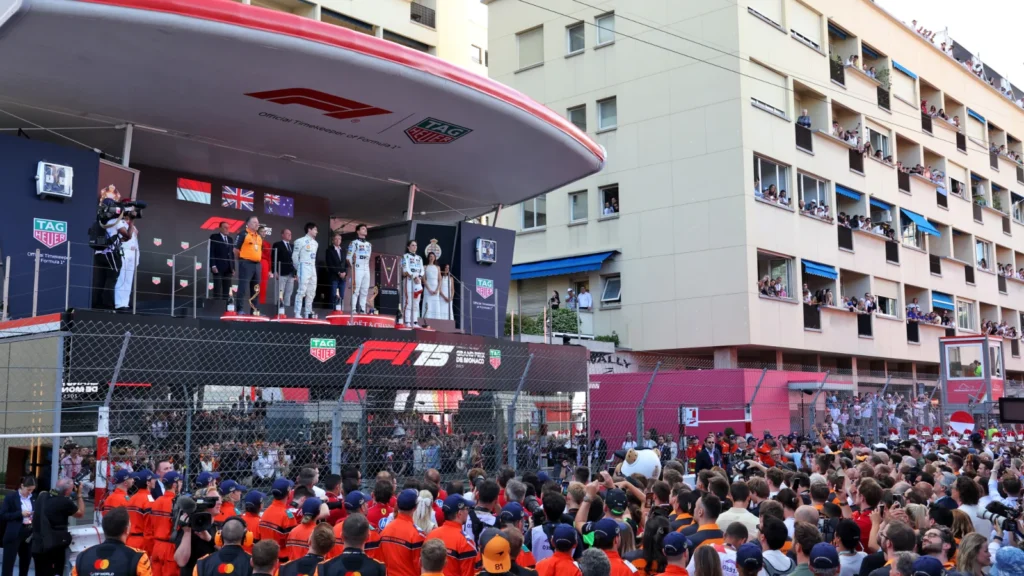
That route established a visual connection that remains unchanged today. Television broadcasts, race photography, and international media coverage have repeatedly placed the casino within the backdrop of one of motorsport’s most prestigious events, making the building as recognisable to many racing fans as the circuit itself.
Two landmarks, one international identity
Although the casino and the Grand Prix serve very different purposes, their histories have increasingly overlapped. Neither institution depends on the other. Even so, decades of shared visibility have made them complement each other and difficult to separate in the public’s imagination.
The connection is reinforced every racing season
Unlike many sporting venues, Monaco’s circuit is assembled within an existing city rather than occupying a permanent location. That creates a distinctive relationship between the race and its surroundings. Hotels, cafés, the harbour, Casino Square, and public streets all become part of the event itself.
For broadcasters, there is little reason to avoid these landmarks — they are part of what makes Monaco immediately recognisable.
Though the casino functions as a tourist and cultural institution rather than a racing venue, it occupies a strategic spot on the circuit. Over many decades, that repeated exposure has strengthened the association between the two institutions without changing their individual roles.
Monte Carlo became a cultural symbol
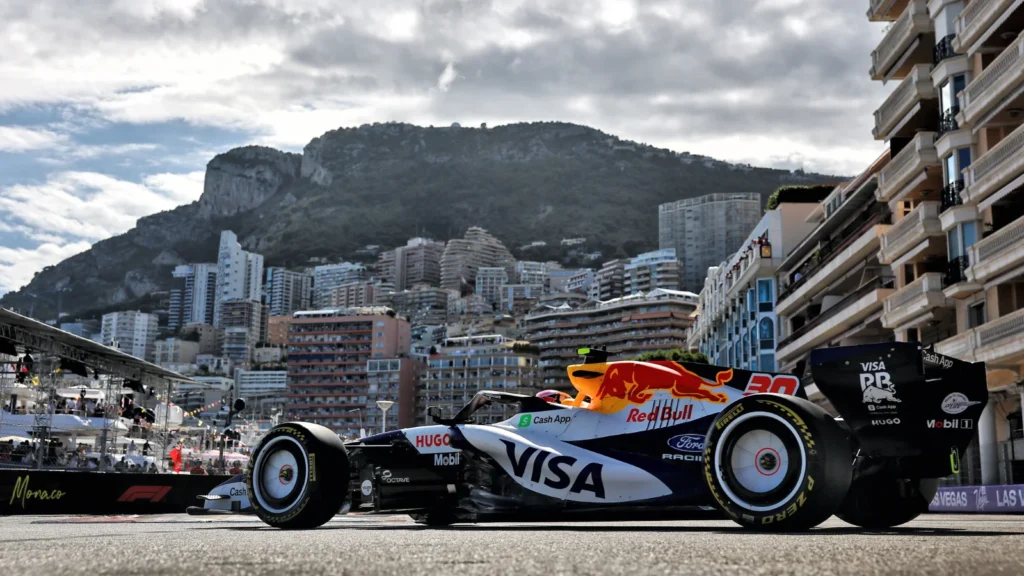
The influence of Monte Carlo extends well beyond the borders of Monaco. Its architecture has appeared in films, documentaries, travel publications, advertising campaigns, and works of fiction. Designers have borrowed visual elements associated with Casino Square, while luxury brands have frequently referenced Monte Carlo as shorthand for elegance and international prestige.
The gambling industry has done the same. Some digital casino games adopt themes inspired by Monte Carlo’s architecture, roulette traditions, or Belle Époque styling. Those references generally reflect the cultural reputation of the location rather than any formal connection with the historic casino itself.
Historic casinos and famous sporting events often form part of wider discussions about travel, culture, and entertainment. Where gambling products are involved, they should always be approached responsibly. Before participating in any form of gambling, visitors should familiarise themselves with the responsible gambling tools available through their chosen operator and review regulator-approved guidance.