Formula 1 has always attracted blue-chip sponsors — oil companies, luxury watchmakers, financial institutions. That picture is shifting. Across the paddock in 2026, cryptocurrency and blockchain brands are appearing with increasing frequency on sidepods, nosecones, and driver overalls, representing one of the most notable structural changes in F1 commercial strategy in recent years.
The acceleration is not accidental. Crypto firms have come to see Formula 1 as a uniquely effective vehicle for global brand recognition. With races broadcast in over 200 territories and a fanbase that skews towards digitally fluent, financially active adults, the sport’s demographics align closely with the audience these companies are trying to reach.
Crypto sponsors filling F1 team rosters
A growing number of teams have added crypto or blockchain-related companies to their commercial rosters. These deals range from minor placement partnerships — a small logo on the engine cover — to full title sponsorships that reshape how a team presents itself commercially. The scale of investment has increased substantially as crypto firms have emerged from earlier market turbulence with stronger balance sheets and clearer regulatory positioning.
What makes these partnerships attractive from the team side is straightforward: crypto companies tend to offer competitive deal values and move quickly through commercial negotiations. Unlike traditional sponsors that may require lengthy approval processes, many digital asset firms have streamlined partnership structures, which suits the fast-moving nature of F1’s commercial calendar.


How digital brands are changing liveries
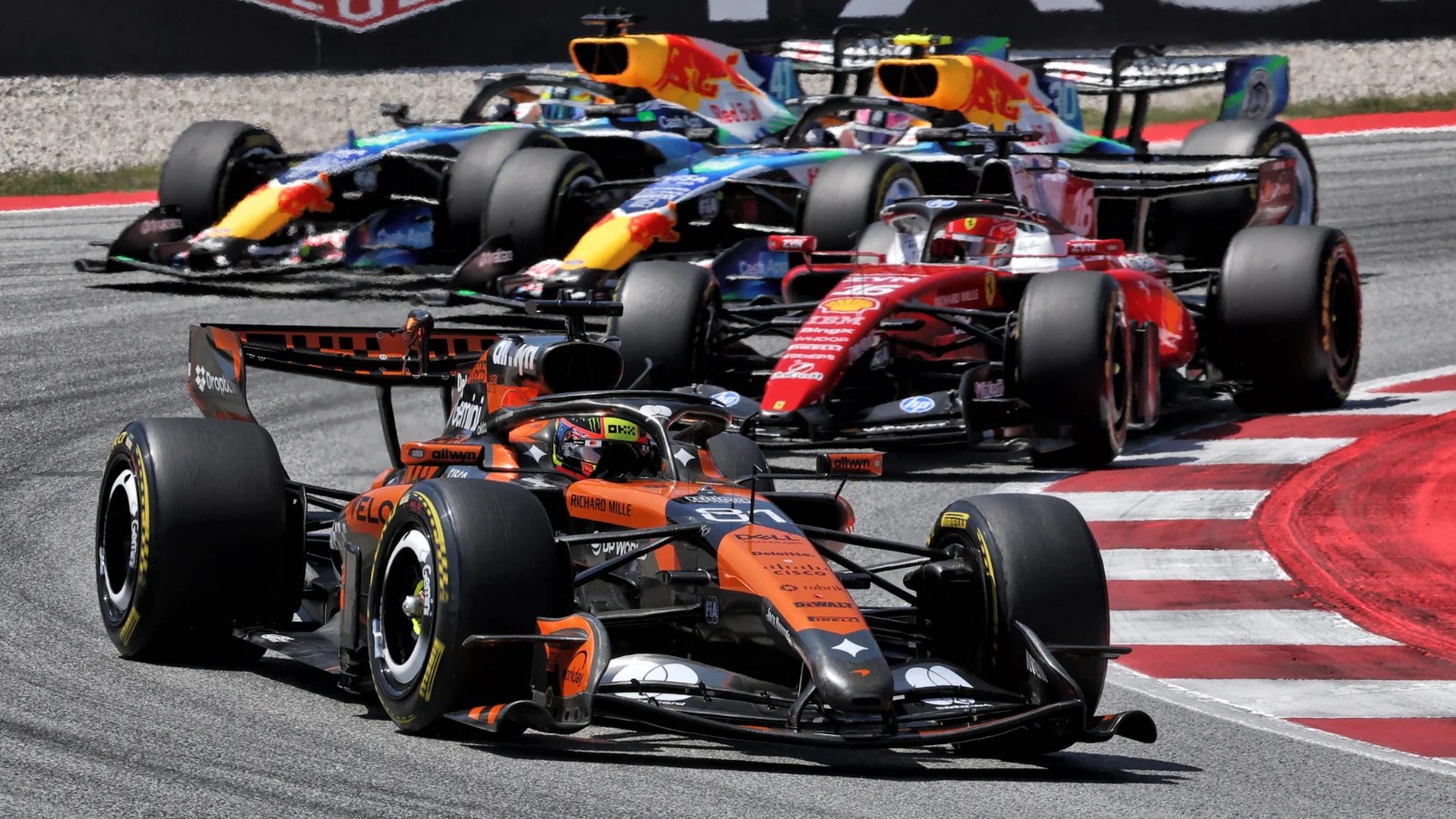
The visual impact of crypto sponsorship is already evident on the grid. Several teams have introduced design elements — gradients, dynamic colour schemes, holographic-style finishes — that reflect the aesthetic identity of their crypto partners rather than the more conservative visual language associated with legacy sponsors. This is not purely cosmetic. Livery decisions communicate something about a team’s commercial positioning and the audience it is deliberately courting.

For fans exploring the broader digital entertainment space that surrounds F1, crypto betting websites now offer in-depth analyses and previews, comparable with niche-specialised F1 platforms. Bettors will find flexible offers and deals, while enthusiasts can make use of the analytics data on offer. The visual alignment between these platforms and F1’s newer sponsor categories underscores how deeply the digital asset economy has embedded itself into top-tier motorsport branding.
Fan engagement shifts with crypto audiences
Crypto sponsorship deals are rarely limited to logo placement. The most sophisticated arrangements include token-based fan engagement programmes, NFT releases tied to race events, and exclusive digital content accessible via blockchain wallets. These mechanics are designed to create ongoing interaction rather than passive brand exposure, turning a logo on a car into an entry point for a wider commercial relationship with supporters.
According to research from Deloitte, sports organisations that invest in digital fan engagement strategies report significantly higher rates of repeat interaction and merchandise conversion compared with those relying solely on traditional broadcast exposure. For F1 teams, the arithmetic is clear: crypto partners bring not just money but scalable digital infrastructure for fan activation.
Which teams are leading the crypto push
Red Bull Racing and Mercedes have both maintained high-profile relationships with crypto and fintech brands over recent seasons, giving them significant experience managing the unique demands of these partnerships — including navigating regulatory announcements that can affect a partner’s brand perception almost overnight. Mid-field teams, recognising the commercial headroom available, have also accelerated their pursuit of digital asset sponsors in 2026.
McLaren’s commercial evolution is particularly instructive. The team has diversified its sponsor portfolio deliberately towards technology-forward brands, and crypto-adjacent companies fit neatly within that positioning.
As the Formula 1 commercial overview from the FIA reflects, the sport’s governance framework continues to adapt to accommodate new commercial categories, giving teams greater confidence to pursue deals in emerging sectors. The trajectory across the paddock is clear: crypto sponsorship has moved from novelty to normalcy, and the teams that established these relationships early are now benefiting from the brand equity and technical partnerships that come with them.