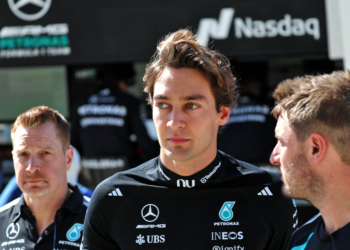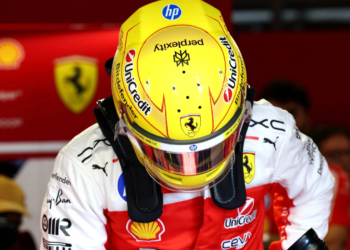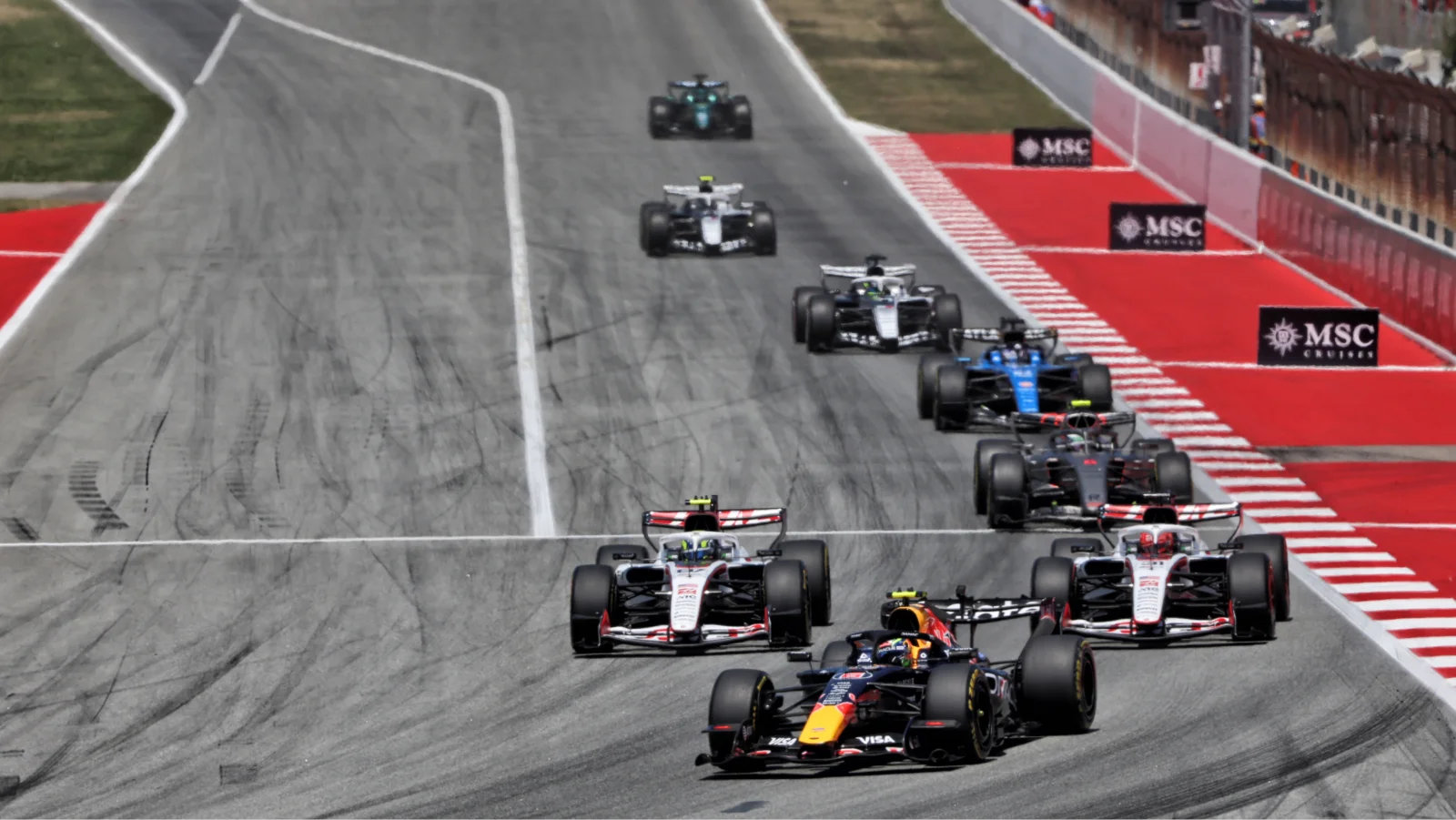
Grandstands are packed and fans cannot take their eyes off their screens for pit stop updates: motorsport is having a real cultural moment right now and it is still picking up speed.
There is something raw about hearing a race car scream down a straight. The smell of burning rubber, engines echoing off the walls and those split-second moves that can flip a whole championship on its head in just one corner. Motorsport has always had this kind of energy. But right now, more people are tuning in than ever — and it is not just for the racing.
The numbers are hard to deny. Formula 1 now counts 827 million fans worldwide, a 12% jump from last year and a wild 63% leap since 2018. That is not a niche. That is one of the biggest entertainment juggernauts out there.
The storytelling revolution
Ask almost any new F1 fan how they got hooked, and the answer is usually the same: Drive to Survive. Netflix’s docuseries did not just show the sport; it introduced real characters to care about, villains to root against, and storylines that make every race feel like the next episode in a drama.

The show’s impact sticks. Especially for American fans, Drive to Survive made people emotionally invested in drivers and teams even before they had watched an actual grand prix. Fans now start their first live race already knowing whose helmet they are rooting for.
Younger, more diverse and plugged in
One of the most striking shifts lately is not just bigger crowds — it is who is actually in them. The 2025 Global F1 Fan Survey, which had over 100,000 responses from 186 countries, found that women make up three out of four new fans, and almost half of Gen Z fans are women. That is a real change for a sport not too long ago known as an old boys’ club obsessed over tyre compounds.
For anyone wanting to dive even deeper into predictions, stats, and expert picks, DraftKings’ analytical motorsport coverage is exactly what fans want for the full betting experience.
The numbers at the track do not lie
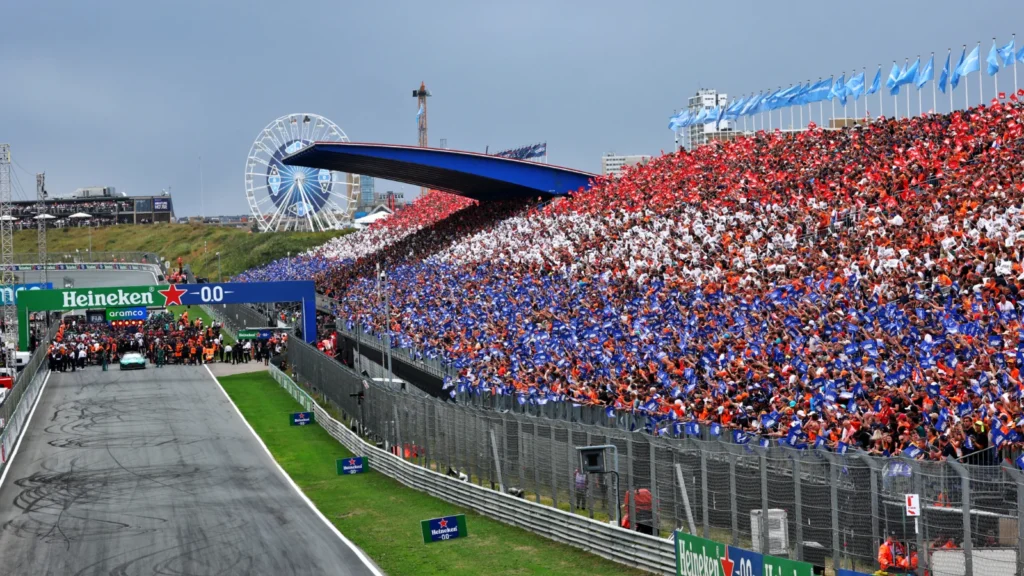
Stats from digital platforms are interesting, but the real proof is at the tracks. People are showing up in record numbers. The 2025 F1 season saw 6.7 million people through the gates, with 19 events completely sold out and 11 new attendance records. Four race weekends had more than 400,000 fans, including 465,000 at the Australian Grand Prix and 500,000 at Silverstone for the British Grand Prix.
Half a million people at Silverstone — that is essentially a mid-sized city packed into a racetrack. And the demand is not just being met; the appetite is outpacing what venues can handle. Tickets vanish faster than circuits can add capacity.
Social media and the always-on fan
This era of motorsport fandom feels different, partly because race day is really just one part of a bigger conversation. For lots of fans, the hype surrounds the days before and after — on TikTok, Instagram, Reddit and YouTube.
In 2025, F1 was the fastest-growing global sports league on social media for the fifth straight year, racking up over 2.3 billion engagements — more than the NBA, NFL, Premier League or UEFA Champions League. Social following grew to 114.5 million, up from just 18.7 million in 2017.
A championship battle that delivered
All this energy means nothing if the races themselves are not exciting, and the 2025 F1 season delivered. Lando Norris landed McLaren’s first Drivers’ Championship in 26 years, and he did it in a three-way title fight that came down to the last race — the closest finish in a decade and a half. Stories like that do not just keep existing fans happy; they create new ones.
Abu Dhabi’s season finale showed exactly what happens when sport meets spectacle. The 2025 Abu Dhabi Grand Prix broke its attendance record with 203,000 fans, up from 192,000 in 2024.
The global footprint keeps expanding
What is especially striking is that this growth is not local — it is everywhere. China’s F1 fanbase jumped 39% after Shanghai returned to the calendar. The US saw a 10.5% bump last year, powered by races in Miami and Las Vegas.
Formula 1 and MotoGP now reach over 150 countries, generating 1.5 billion viewer engagements annually. In 2024, more than half of motorsport fans watched races on OTT platforms or YouTube, a 22% shift away from traditional television.
What keeps fans so engaged?
So why does motorsport have such a strong grip right now? First, emotions are sky high. In the 2025 Global F1 Fan Survey, 90% said they care about the results, and 61% interact with F1 daily. These are not background fans — they are all in.
Second, the drivers have never been more accessible. They are streaming online, appearing in films, and sharing on social media. Even the F1 movie smashed box office records, pulling in over $630 million — a milestone that would have seemed impossible ten years ago.