Just when you thought the Formula 1 paddock could enjoy a brief respite to focus on the on-track action, the sport’s relentless political machinery has spun right back into overdrive. What seemed like a done deal just a few weeks ago has rapidly deteriorated into a classic, self-serving gridlock.
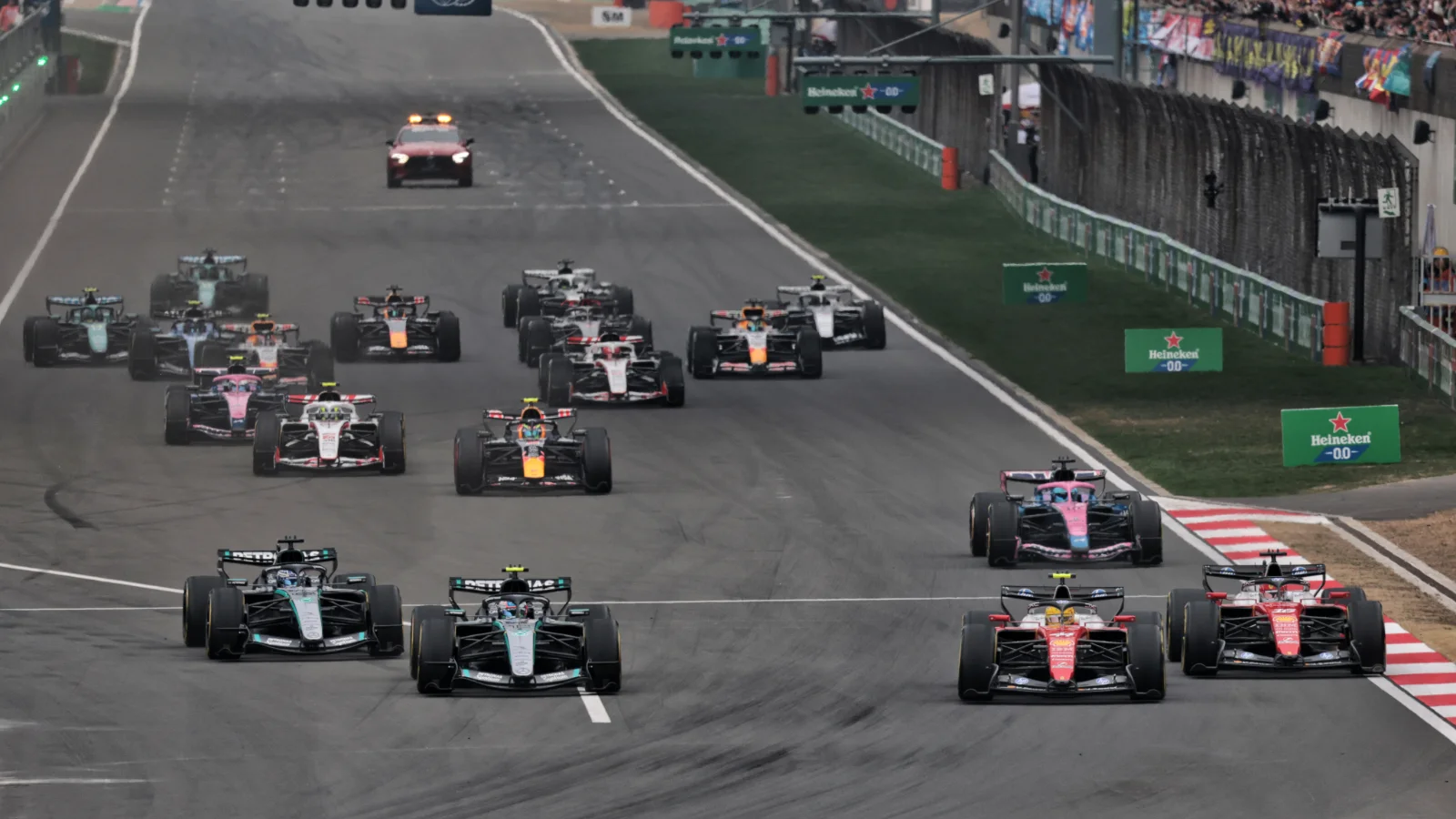
Following a post-Miami meeting, the FIA and FOM proudly announced an agreement in principle to alter the 2027 power unit regulations. The goal was simple: move away from the heavily criticised 50/50 electrical and internal combustion split and slide toward a punchier 60/40 ratio. By boosting fuel flow to add roughly 50kW to the engine side and cutting battery reliance by the same amount, the sport aimed to kill off the awkward “clipping” and heavy lifting-and-coasting that has plagued recent racing.
Vested interests on the grid
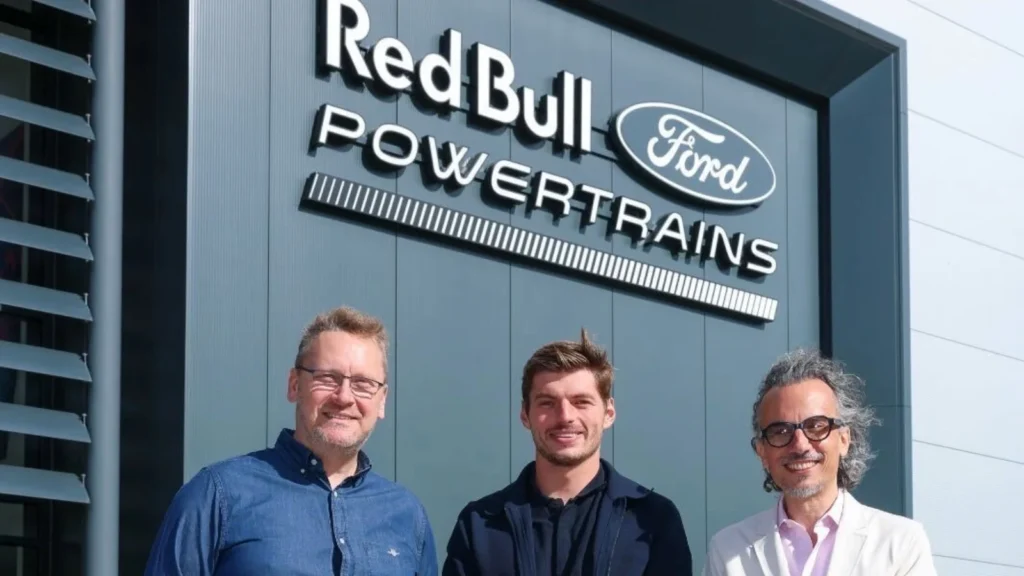
To push this evolutionary change through the Power Unit Advisory Committee, a super-majority of four out of the six registered manufacturers must vote “yes” before a looming June deadline. Right now, only Mercedes and Red Bull Powertrains are firmly on board. The rest of the table has turned icy cold, and the arguments coming from the dissenting corners are as predictable as they are frustrating.
Audi is reportedly dragging its feet over the bottom line. Emerging reports suggest that reworking the power unit layout and adjusting the chassis to accommodate a larger fuel tank could carry a price tag north of $10 million — a tough pill to swallow for a new manufacturer trying to find its feet under a strict cost cap.


Meanwhile, Ferrari’s resistance points to a deeply tactical game of paddock poker. Under the current 2026 framework, lower-performing engine builders are entitled to a catch-up mechanism known as Additional Development and Upgrade Opportunities (ADUO). If the rules are opened up to alter fuel flows for 2027, the ADUO framework could be compromised. Maranello is understandably concerned that Mercedes and Red Bull, who look to have hit the ground running with their new designs, will simply use the rule shift to extend their competitive advantage.
The danger of paddock self-interest
This is exactly why Carlos Sainz, speaking in the paddock as head of the Grand Prix Drivers Association, directly urged the governing body to grow a backbone and force the changes through. When individual teams possess the political leverage to veto technical regulations, the entire sport suffers.
F1 has grown into a massive commercial giant, pulling in global audiences that rival traditional mega-sporting events. When the global sports community tunes in at this scale, it triggers an unprecedented wave of fan engagement — sparking everything from viral social media trends to the intense activity typically seen across World Cup betting markets. What these audiences expect is a premium product driven by raw competition, not tactical corporate stalling.
F1 fans pay a massive premium to watch the best drivers on earth push machinery to the limit — not to watch world champions lose battery power halfway down a straight because an engine manufacturer wanted to save money on its development budget.
The FIA must stand firm
If the FIA and FOM cave to the political pressure of Ferrari and Audi, the entire sport faces a massive own goal. Leaving the engine rules untouched until a hypothetical V8 return in the 2030s will subject fans to years of compromised racing.
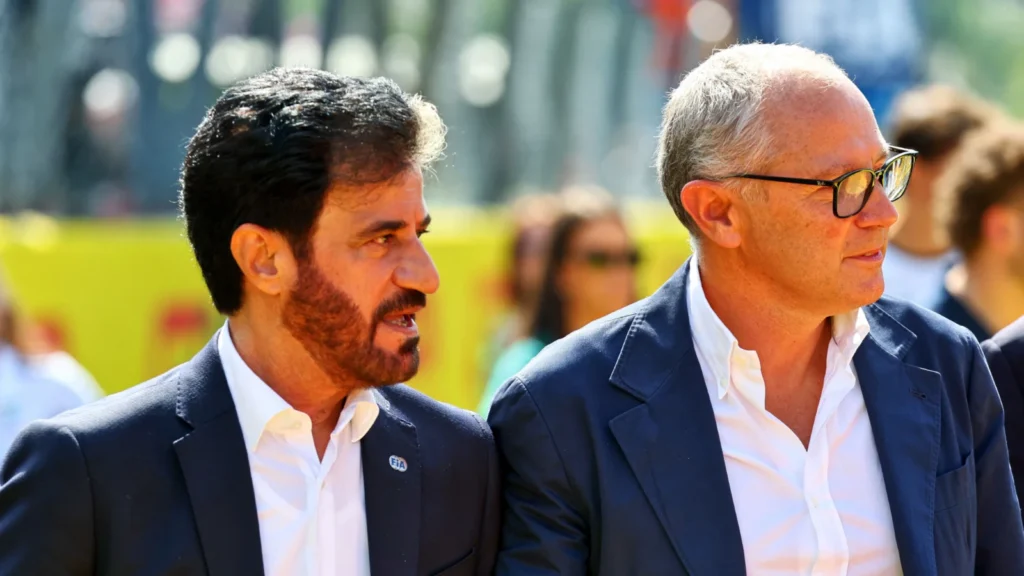
Williams boss James Vowles insists that “nothing is dead” and that stakeholders are still talking. That might be true, but time is running out. The regulators cannot afford to play the role of passive mediator here. Stefano Domenicali and Mohammed Ben Sulayem need to look at the bigger picture, listen to the drivers who actually steer these machines, and force the 60/40 engine split over the line. True leadership means protecting the quality of the show, even if it leaves a few team principals unhappy.