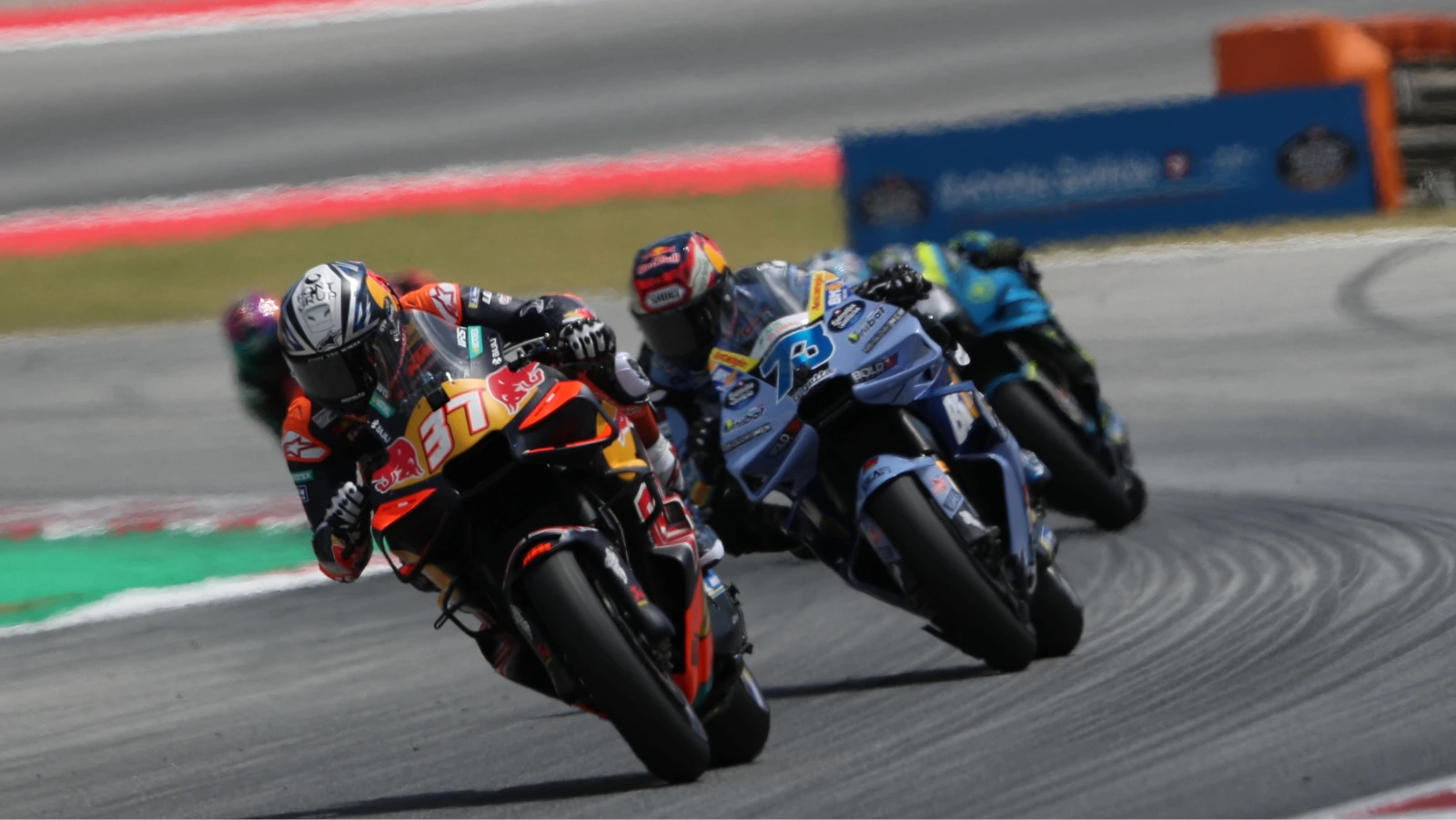
Betting on motorsport outcomes has always been a staple, but it’s come a long way from simply backing the race winner.
With F1 and MotoGP fans increasingly able to place wagers that reflect their genuine technical understanding of the sport, bookmakers are having to respond to the change, and racing regulators are taking notice.
The shift toward granular markets
Motorsport wagering has grown considerably more granular in recent years. Popular UK sports betting sites now routinely list markets covering fastest lap, pit-stop strategy outcomes, and qualifying head-to-heads, reflecting how deeply technical knowledge has filtered into the betting habits of F1 and MotoGP fans.
New research into patterns of gambling behaviour published by the Gambling Commission found that participation in gambling increased, particularly among various new product offerings such as markets based around events and outcomes from less traditional sports including motorsport. Players utilising qualifying sessions and tyre degradation models when making bets on pre-event race odds were cited in the report.
The platform has a profound knowledge of MotoGP racers, and while top F1 drivers’ names are equally well known, there is less information available on individual competitors between grand prix events, although their performances are well publicised thanks to BBC F1 coverage. A wealth of statistics is also available for race history and lap-by-lap running data for both MotoGP and F1 events.
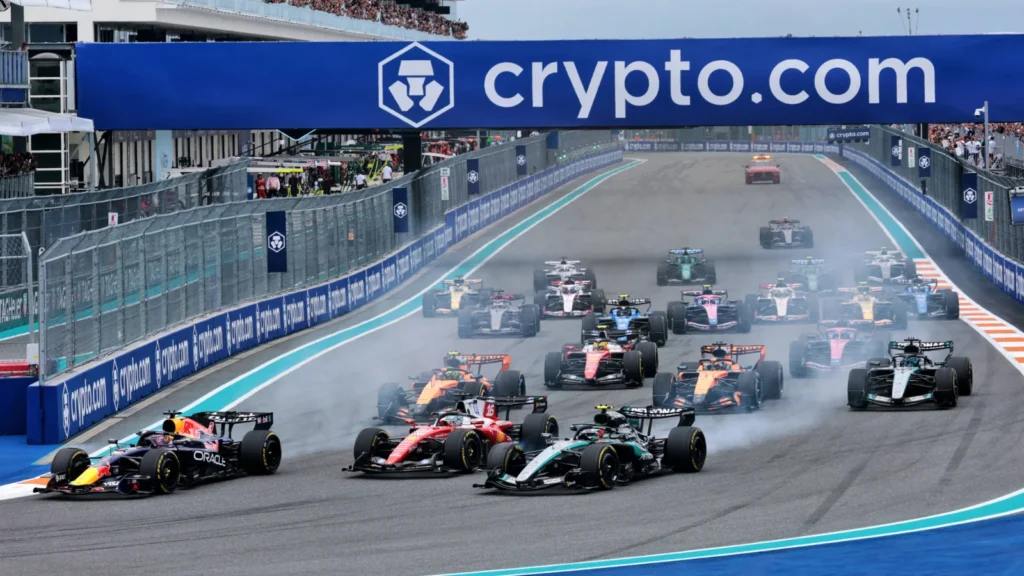
Regulation is keeping pace with demand
The sharp rise in live betting has attracted considerable attention from regulators. In-play betting is subject to strict requirements when regulated by the Gambling Commission under the remote gambling technical rules. These include requirements on the control of live markets covering the issue of bets, closure of markets, latency and transparency.
In a further attempt to root out corruption, the FIA is enforcing its anti-corruption stance more vigorously. Under its terms, all those involved in the championship — from chief engineers to mechanics and technical staff at the race track — are banned from betting on any related events, whether or not they might be influenced by their actions. Motorsport integrity rules are increasingly coordinated with authorities in other regulated gaming jurisdictions as the sport commands more attention on the betting markets.
What the numbers actually show
Industry estimates of the size of the UK betting market and rates of growth in the sports betting industry have continued to rise at a steady clip. Figures released by the Gambling Commission demonstrate that turnover in the regulated sector has continued to rise strongly, with the motorsport category recording a small but significant increase.
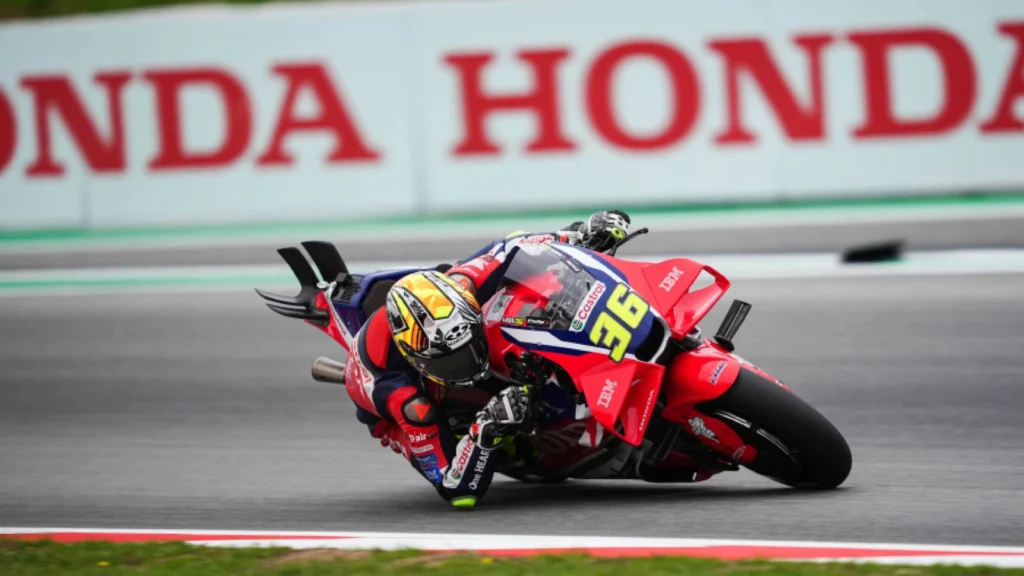
The 2025 MotoGP season has more betting markets than previous years, thanks to a competitive lineup following recent changes to the factory teams, providing plenty of uncertainty for bettors compared to more recent, predictable seasons.
A market that reflects the sport itself
Motorsport betting in 2025 has in many cases become more advanced, more secure and more relevant to the actual sport than three years ago. F1 and MotoGP offer a plethora of markets and the way in which the products are constructed may reflect the intricate methodology that seasoned motorsport viewers utilise when following the sport.
With both the sporting governing body and gaming authorities coming under increased scrutiny and having to meet a higher benchmark, the emerging trends in the sector may see the sports market mature further.