Virtual development has become a major force across today’s digital and technology industries.
Companies increasingly rely on AI modelling, cloud computing and real-time data systems to test, optimise and scale services before they are launched publicly, reducing costs and speeding up development.
Technology firms such as Nvidia and Amazon Web Services now power advanced simulation, live data processing and digital infrastructure across industries ranging from manufacturing to entertainment and finance.
Streaming platforms, fintech services and online marketplaces increasingly depend on predictive analytics and automated systems capable of managing millions of real-time interactions simultaneously.


The gambling industry has evolved in the same direction. Modern platforms like https://westace.com/nz/ now combine live HD casino streaming, real-time sports betting data, automated odds systems and instant digital payments inside a single connected ecosystem, with crypto transactions, e-wallet withdrawals and live dealer technology becoming standard across the sector.
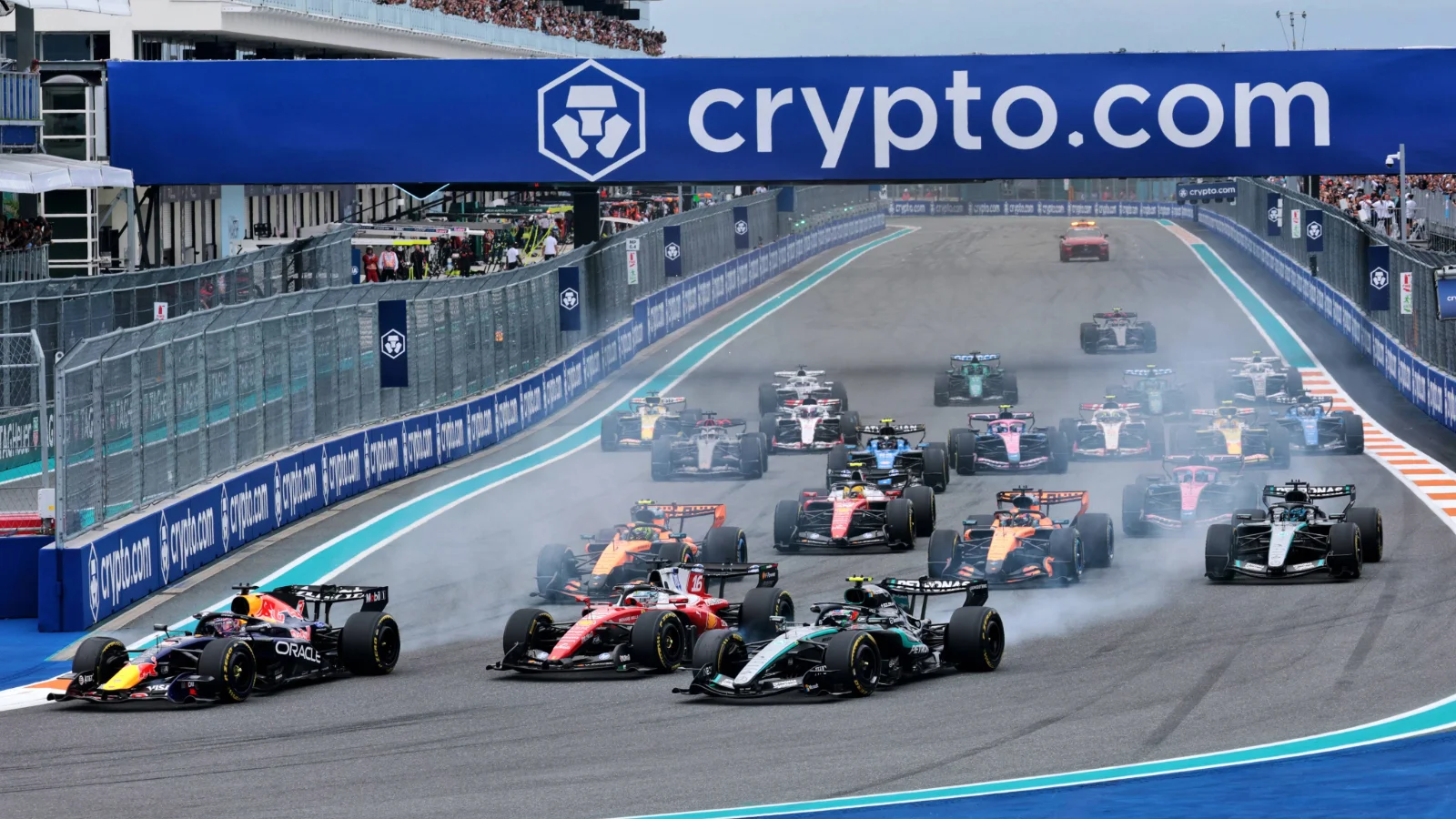
Behind the scenes, Formula 1 has become one of the most advanced examples of virtual engineering in modern sport. Teams now spend thousands of hours inside simulator facilities and data centres developing digital versions of their cars, using real-time modelling and predictive analysis to study aerodynamic behaviour, tyre wear, energy deployment and setup changes before the cars ever reach the track.
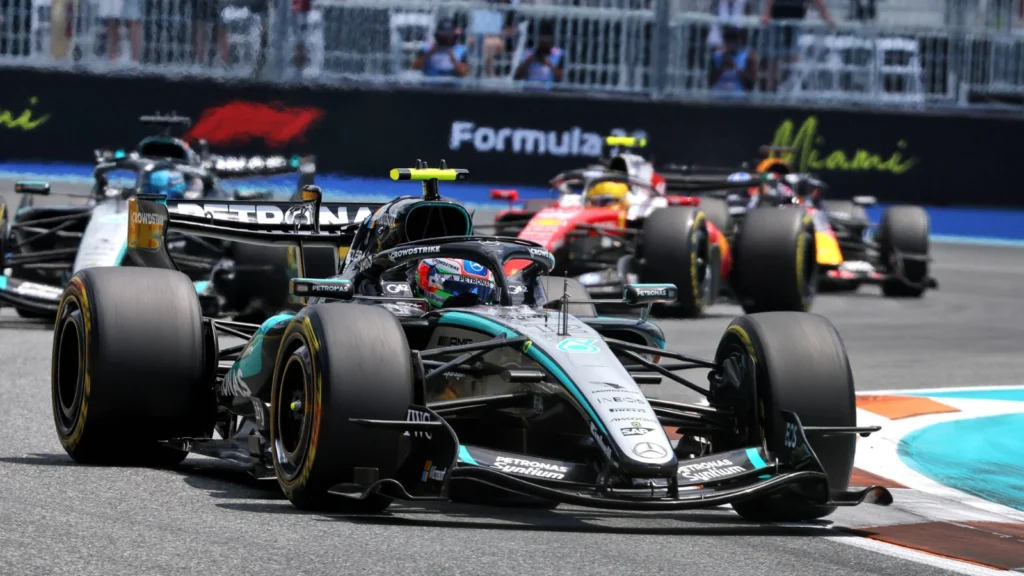
Formula 1’s biggest fear: Believing the wrong data
Modern Formula 1 teams generate extraordinary amounts of information. During a race weekend, a single car can produce hundreds of gigabytes of telemetry covering:
- Aerodynamic load
- Tyre surface temperatures
- Brake behaviour
- Ride height movement
- Steering inputs
- Battery harvesting
- Fuel consumption
- Differential settings
The problem is no longer collecting data. The real challenge is deciding whether the virtual interpretation of that data actually reflects what the car will do in reality.
That issue sits at the centre of one of Formula 1’s most important technical concepts: correlation.
Inside the paddock, correlation refers to how closely a simulator, CFD model or wind tunnel prediction matches the behaviour of the actual car once it reaches the circuit. If simulation tools predict strong balance and stable performance but the real car behaves unpredictably during practice, the entire development chain becomes compromised.
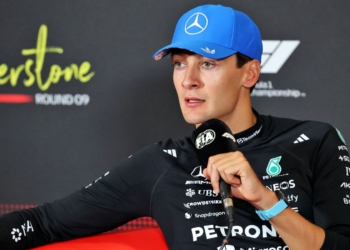
Mercedes learned that lesson painfully during Formula 1’s ground-effect era.
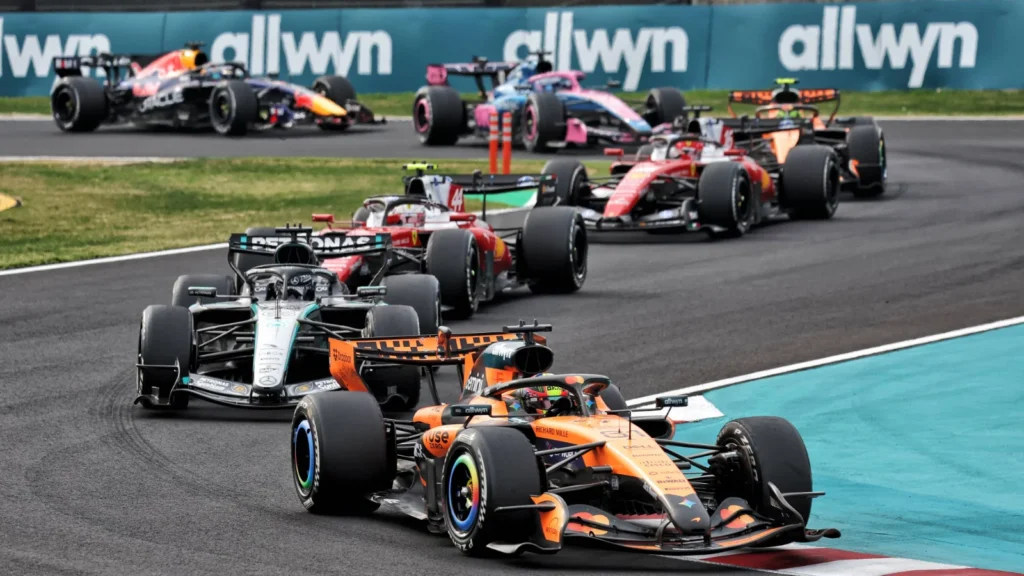
Mercedes became Formula 1’s biggest warning sign
When Formula 1 introduced ground-effect regulations in 2022, Mercedes initially believed its development tools were pointing the team in the right direction. Simulator outputs looked promising. Wind tunnel numbers appeared competitive. Aerodynamic concepts showed potential.
Then the real car arrived on track.
Instead of stable performance, Mercedes encountered violent porpoising, narrow setup windows and unpredictable balance shifts that repeatedly contradicted its virtual models. Toto Wolff openly admitted the team struggled to understand why simulation results and real-world behaviour failed to align.
That disconnect created one of the defining engineering crises of the modern Formula 1 era.
Every failed upgrade carried enormous consequences under the budget cap. Parts that looked effective digitally often failed to deliver trackside, forcing engineers into months of redesign work. The team effectively spent multiple seasons chasing the same question: why was the simulator lying?
Inside Formula 1, Mercedes’ struggles became a powerful reminder that virtual development is only valuable if teams can trust the relationship between software and reality.
Why Red Bull adapted faster than everyone else
Red Bull’s dominance during the same period highlighted the opposite side of the equation.
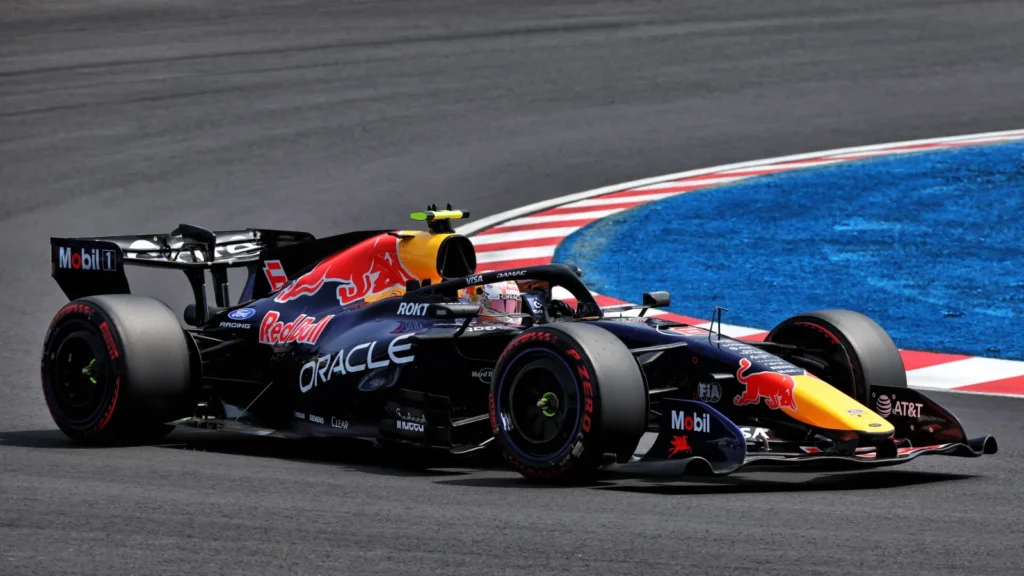
While rivals fought unpredictable behaviour, Red Bull became known for exceptionally strong simulator-to-track correlation. The team could introduce upgrades with confidence because its virtual systems consistently reflected how the RB cars behaved during real race weekends.
That reliability creates an enormous competitive advantage that fans rarely see.
A team with strong correlation can:
- Validate upgrades faster
- Avoid wasting budget on failed concepts
- Shorten development cycles
- React quicker to regulation changes
- Fine-tune setups before arriving at circuits
In many ways, Red Bull’s advantage was not simply aerodynamic brilliance. It was the ability to trust its virtual tools while rivals questioned theirs. That distinction matters more than ever under Formula 1’s increasingly restrictive rules.
The simulator has replaced traditional testing
Twenty years ago, Formula 1 teams relied heavily on private testing programmes. Cars spent days circulating tracks gathering real-world information. Engineers solved problems through physical experimentation. That environment no longer exists.
Modern regulations strictly limit:
- Private testing mileage
- Wind tunnel hours
- CFD usage
- Prototype running
Teams therefore shifted enormous portions of development into virtual environments.
Today’s driver-in-loop simulators are among the most sophisticated machines in global sport. These facilities use:
- Laser-scanned track recreations
- Full-motion hydraulic platforms
- Real-time tyre modelling
- Advanced airflow simulations
- Physical steering feedback systems
Drivers can rehearse entire race weekends virtually while engineers test hundreds of setup combinations impossible to evaluate physically under modern restrictions. Formula 1 increasingly resembles aerospace engineering more than traditional motorsport.
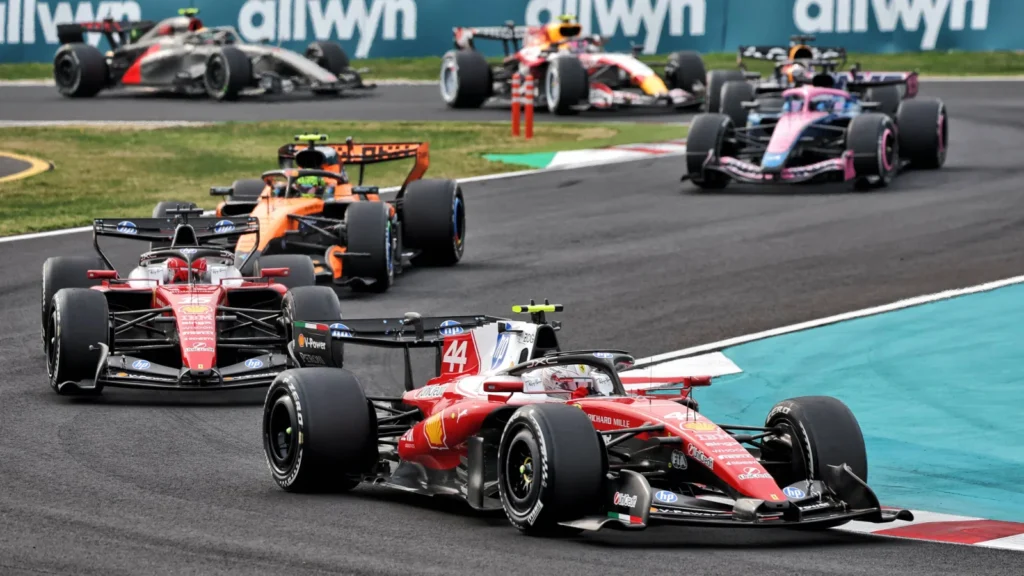
The rise of Formula 1’s “digital twins”
One of the sport’s fastest-growing development trends is the use of digital twins.
A digital twin is essentially a live virtual copy of the real car, constantly updated through telemetry and simulation data. As the physical car runs on track, its digital counterpart evolves simultaneously inside factory systems.
This allows teams to:
- Simulate upgrades during races
- Predict tyre degradation live
- Model cooling behaviour instantly
- Test strategy changes in real time
McLaren has become particularly aggressive in this area, processing massive telemetry volumes through cloud-based systems capable of running advanced simulations during race weekends themselves. The modern Formula 1 factory increasingly operates like a real-time computing centre.