The ongoing 2026 F1 world championship was supposed to belong to George Russell.
Mercedes had finally built the talented Brit a car capable of claiming the biggest prize in the game, and now, as the undisputed team leader after spending three years under the learning tree of seven-time world champion Lewis Hamilton, the door was finally open for an all-out assault on the title.
Unfortunately for G-Russ, nobody told his teenage teammate Kimi Antonelli that.
Russell won the opener in Australia. Since then, the young Italian has won three races on the spin, leaving his more experienced teammate scrambling for answers and online betting sites quickly recalibrating their odds boards. Leading 5Gringos online sportsbook now makes Russell a distant 9/4 second favourite after being the odds-on frontrunner in pre-season. Nineteen-year-old Antonelli, meanwhile, is now the clear 11/10 favourite to become the youngest champion ever.
Russell was supposed to be the man. The machinery was his. The experience was his. The standing from a near-miss season was his. Then a nineteen-year-old in the same garage tore up every pre-season prediction and seized the championship lead, leaving Russell twenty points adrift and visibly searching for answers.
Can a slow starter still win a title? Before Russell attempts to write his comeback story, consider two drivers who found themselves in precisely this position and still lifted the trophy.
Lando Norris: 2025
Lando Norris is a man who understands Russell’s struggle all too well. He arrived at the start of last season’s opener in Melbourne carrying two years of near-misses and the understanding inside McLaren that this was finally his moment. He won the curtain-raiser in Australia from pole, and the narrative seemed to be unfolding as expected.
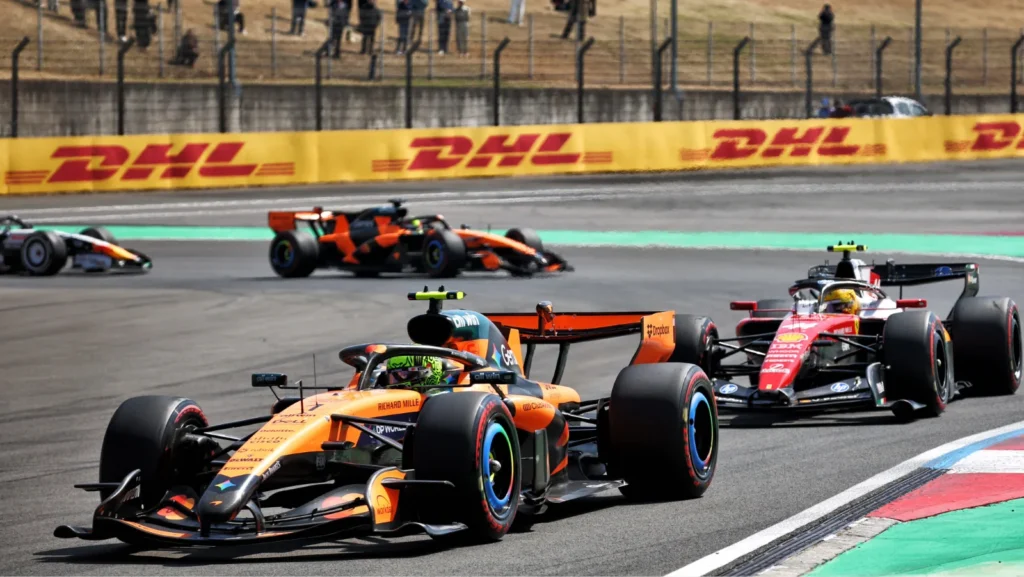
Then Oscar Piastri, his younger teammate and supposed long-term project in just his second year in F1, proceeded to dismantle everything Norris had been building as he reeled off four wins in the next five races.
The Brit did battle back. He racked up three wins in four himself, winning in Austria, Great Britain, and Hungary — the latter something of a heist as his one-stop strategy proved just enough to squeeze by Piastri. But that wasn’t enough to fully reinstate him in the championship battle, and a retirement in the Netherlands coupled with his teammate winning pushed the deficit at the top of the standings out to 34 points.
Piastri’s own retirement in Azerbaijan didn’t hand Norris the initiative, but it did crack open a window of opportunity, and Norris chose to bulldoze through it. He did. Mexico and Brazil — back-to-back wins on two tracks that reward drivers who attack rather than manage — felt like a championship being seized rather than inherited.
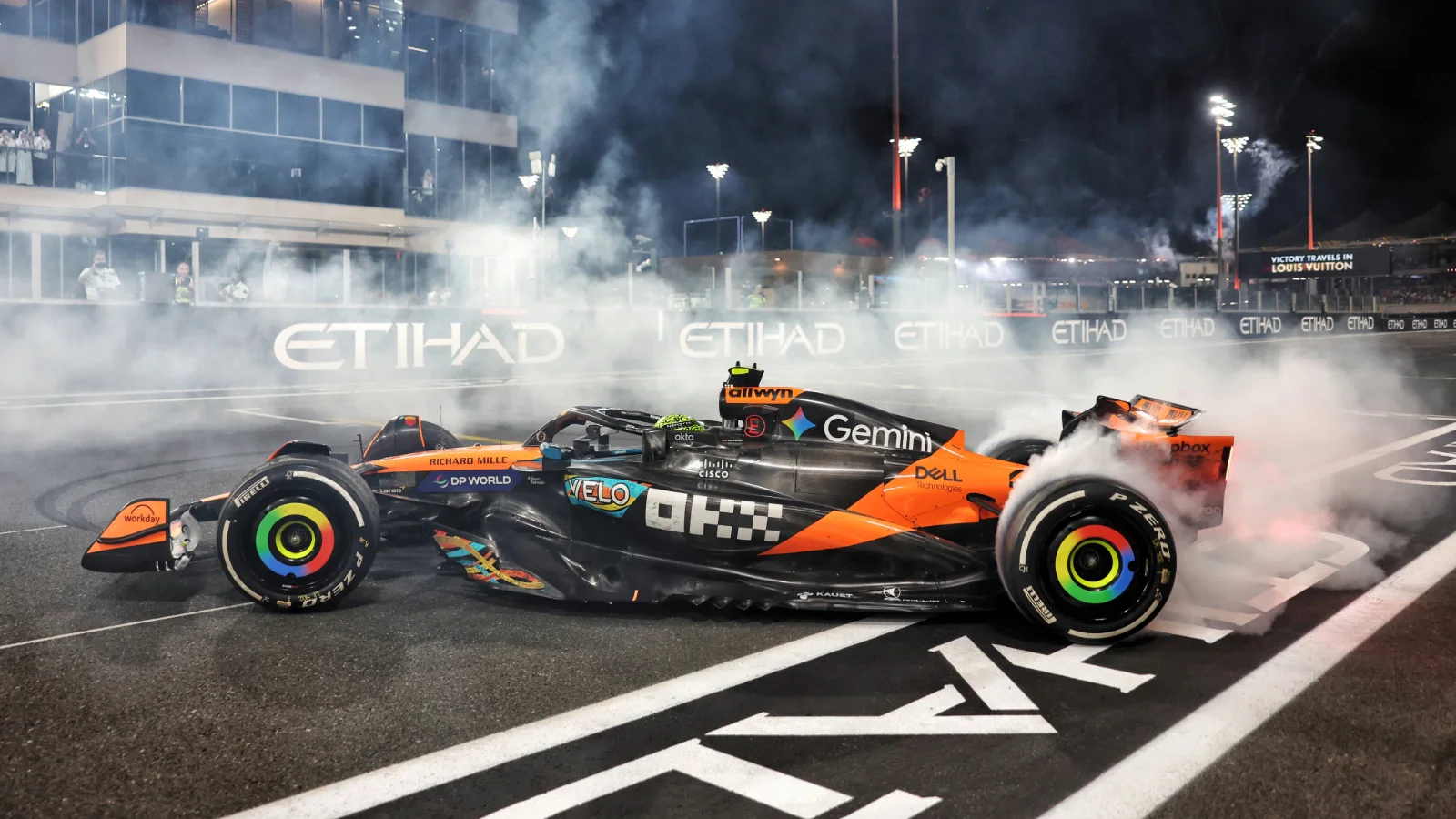
Max Verstappen’s late charge kept the tension alive until Abu Dhabi’s season finale, where Norris needed only third to become champion. Third is exactly what he managed, successfully completing his mission to firstly reel in Piastri and then hold off the rampant Verstappen to secure his maiden title.
Sebastian Vettel: 2012
39 points down. Just one win from the opening 13 rounds. Fourth in the championship standings. Most would have accepted that the season was lost. Sebastian Vettel was not most people.
Arriving in 2012 as the undisputed king of Formula 1 — back-to-back world titles in 2010 and 2011, with that second crown a masterclass in total dominance that produced 15 victories and wrapped up the championship with races to spare — Vettel faced something he simply hadn’t encountered before: a season that refused to bend to his will.
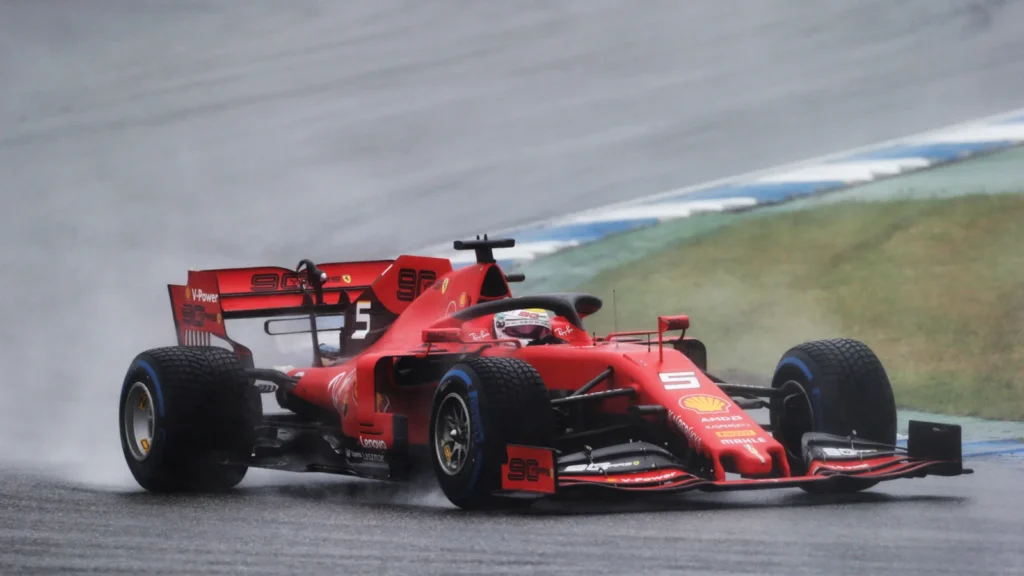
One of the most unpredictable starts in modern F1 history unfolded around him: seven different winners in the opening seven races, with Vettel among them but plagued by the kind of reliability problems that had been almost alien to the Red Bull operation at its peak. Fernando Alonso — rarely in the fastest machinery, but ruthlessly efficient with every point available — quietly accumulated an advantage that looked increasingly insurmountable.
By round 13, Vettel had managed just one race win, and a retirement at Monza left him fourth in the standings, 39 points behind Alonso. The chess match was being played by a man who had never needed to think several moves ahead before, because the board had always been his.
Then came Asia — and vintage Vettel. Singapore, Japan, Korea, India: four consecutive victories that constituted one of the most devastating points hauls in modern championship history, scything through Alonso’s lead and depositing Vettel at the top of the standings with three races remaining.
Thirty-nine points down to championship leader in a matter of weeks. Alonso’s advantage didn’t evaporate through collapse or error — it was dismantled by brilliance, reeled in race by race with the kind of clinical, remorseless execution that had made Vettel a three-time champion by the time most drivers have reached their prime.
The title wasn’t sealed without theatre. Brazil’s season finale — still one of the most nerve-shredding races in recent memory — saw Vettel punted to the back of the field early on, forcing him to scythe through the entire grid in what his engineers must have experienced as a very particular form of torture. He crossed the line sixth. Barely enough. Third consecutive world title. Three championships. Three different stories. None more dramatic than this.