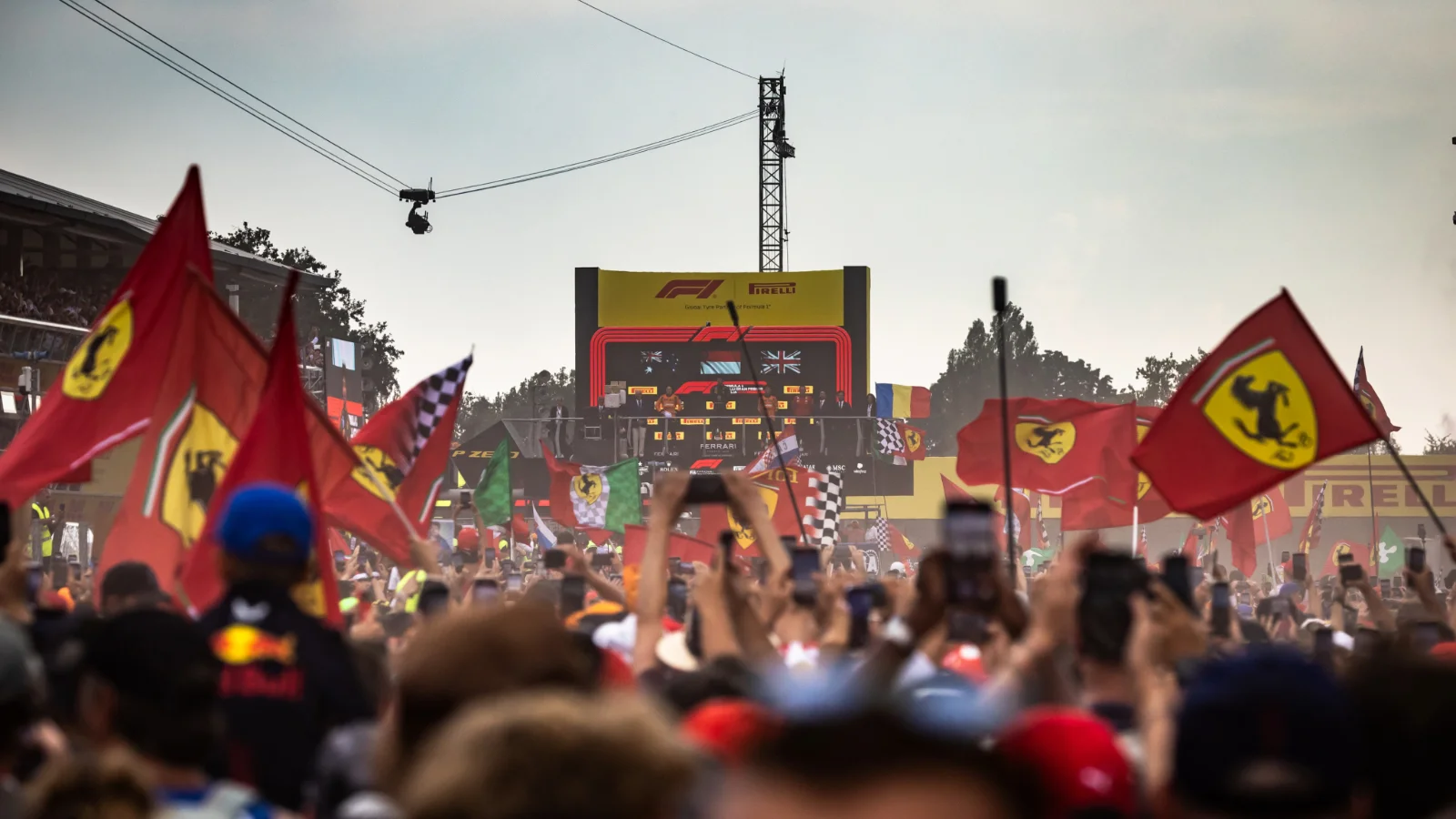
Formula 1 has long been recognized as an exciting form of motor racing entertainment, from engine noises and split-second strategy calls, record television audiences and rising grandstand attendance figures, not to mention new social-media buzz.
Recently, however, Formula 1 has seen even more excitement as viewers tune in with record television audiences, grandstand capacity expands further still, and more people comment online and through social media than ever.
Many casinos aficionados compare the rush of overtaking at 200 miles per hour to their experiences on some of the best sites available today, thrills that rival those offered by popular casinos. Sponsors, broadcasters, and teams themselves have taken note.
Newcomers to longtime supporters alike have found more compelling reasons than ever to watch every weekend; what exactly drives this surge of viewership? A perfect blend of drama, personalities, technology, and accessibility lies underneath sport’s carbon-fibre skin, thus explaining its increasing fan base!


Every lap is high stakes drama
Formula 1 draws new viewers because its heart-thumping action plays out right before them in real time. Modern F1 grands prix rarely become repetitive; rather, tire degradation, weather changes, and safety-car periods create unpredictable moments throughout each race that keep audiences riveted right up until the very last lap!
Teams wager with their pitstop timing just like they’re playing a roulette wheel; fortune can quickly change thanks to points awarded down to 10th place – so even midfield battles contribute toward championship positions!
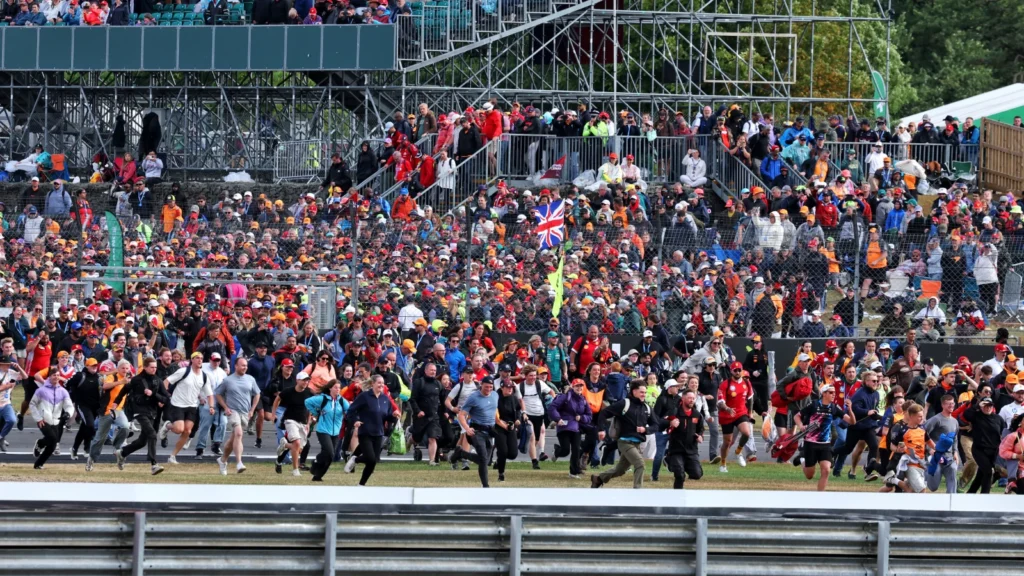
Television directors today can quickly switch between on-board cameras and timing graphics in order to help audiences comprehend why two seconds become such an impactful factor in an instance.
Sprint races introduced as special weekend events add another level of suspense: viewers remain engaged right up until the finish line as each lap can bring unexpected twists, keeping adrenaline levels elevated while keeping fans intrigued and coming back for more!
Heroes, rivalries, and plotlines
Formula 1 boasts one of the most captivating casts seen anywhere; specifically, its current roster features world champions Lewis Hamilton and Max Verstappen, who engage in riveting intergenerational rivalries that make each season seem personal for both of them.
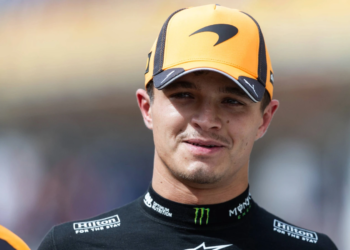
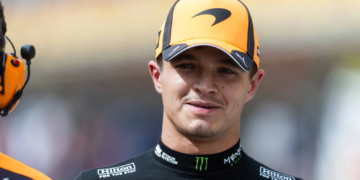
Rising stars like Lando Norris or George Russell provide youthful energy while veterans like Fernando Alonso demonstrate persistence and guile. Netflix’s Drive to Survive series gives audiences an inside view of raw radio messages, tension-filled debriefs, and backroom politics at first hand.
Untimely gearbox failure has quickly transformed from mechanical misfortune into emotional trauma for drivers whom viewers know personally, due to social media amplifying every tweet or raise of eyebrows into news headlines, creating tribalism similar to football fandom.
Storylines that span beyond race day ensure fans remain engaged for weeks afterward, discussing strategies and anticipating outcomes. Emotionally investing in heroes and villains ensures long-term engagement more efficiently than any marketing budget; viewership graphs continue to climb steadily upward.
Cutting-edge technology meets sustainability initiative
Racing cars act as rolling laboratories that showcase engineering feats to delight tech enthusiasts. Hybrid power units harness both kinetic and thermal energy recovery for efficiency while offering powerful acceleration that surpasses 1,000 horsepower.

Formula 1 teams use novel materials, wind tunnel tricks, and machine learning algorithms to discover breakthroughs that often filter down into road vehicles. Formula 1 has also pledged to become carbon neutral by 2030, with sustainable fuels and freight reduction initiatives being put in place.
Modern audiences appreciate both innovation and responsibility simultaneously; when watching mechanics switch battery packs alongside fuelling lines, fans get an intriguing glimpse of a future where speed and sustainability coexist harmoniously.
Classroom teachers increasingly utilize grand prix data as part of STEM lessons, inspiring the next generation of engineers. Positioned as an environmentally conscious incubator, grand prix racing earns credibility among viewers without forgoing its distinctive noise, perhaps making its balance an ultimate competitive edge.
Reach and digital engagement on an international scale
Formula 1’s calendar covers five continents and makes each race an experience in itself, becoming a postcard from different cultures. An inaugural Sunday start in Melbourne will soon give way to night racing in Singapore or an adrenaline-pumping sprint through Mexico City’s baseball stadium section.
Fans can now explore geography and international cuisine through playing soccer globally; travel plans around the season become possible and no longer depend solely on cable packages as a platform to watch matches!
Live timing apps, highlight reels on YouTube, and multilingual podcasts make it simple for busy students or workers to stay informed while on the go. TikTok snippets offer quick updates while esports championships provide gamers an opportunity to drive the same tracks as their heroes.
Affordable streaming platforms in emerging markets have further reduced the barriers to entry. By meeting potential supporters wherever they search, stream, or play media content online, Formula 1 continues to broaden its horizons in a global manner in this digital era – and with new countries likely to join its roster, that footprint looks set to expand even more!