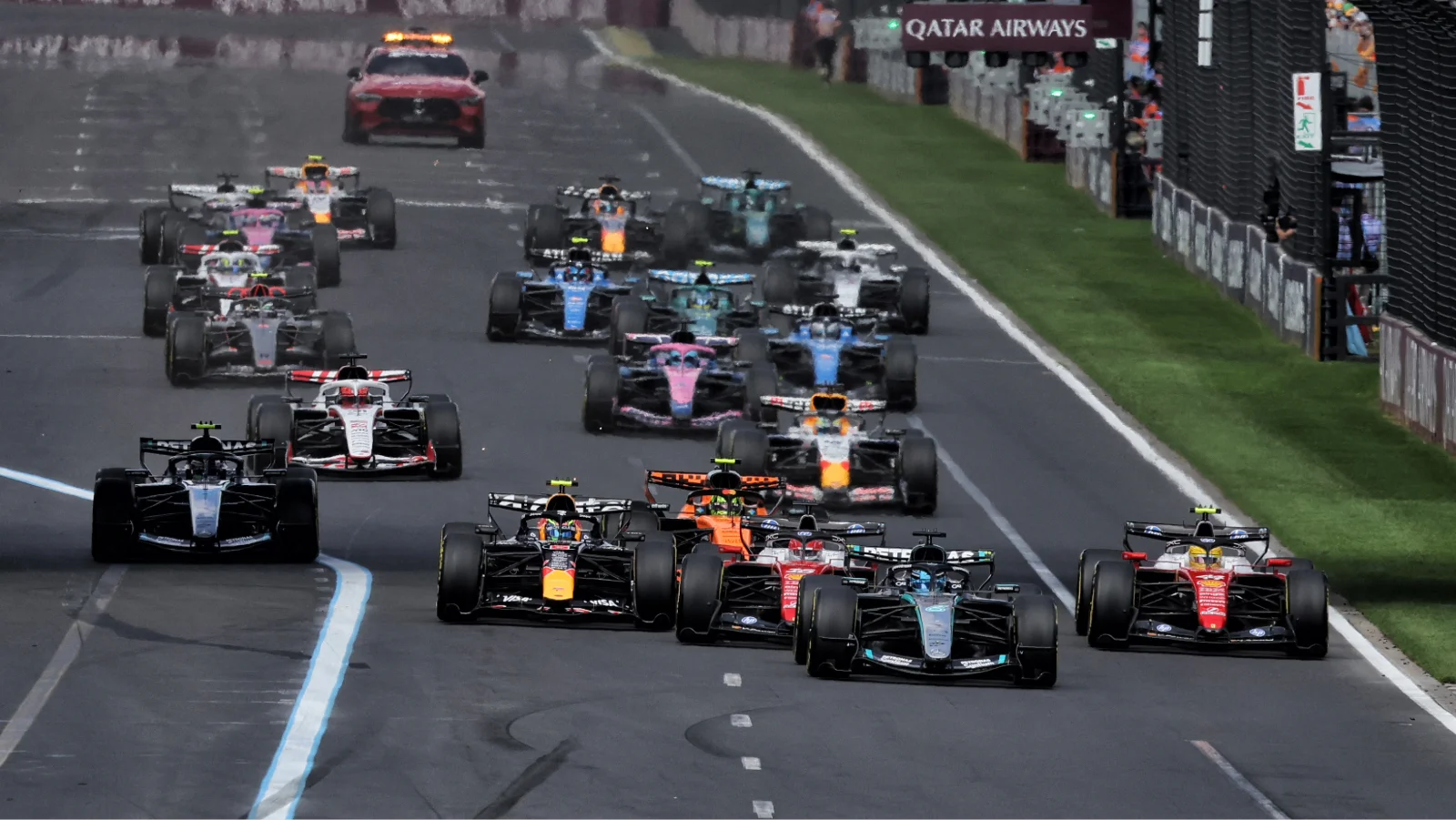
Over the past few seasons, we have seen changes in Formula 1, and it’s not just the racing.
Online casinos, crypto betting platforms, and digital gambling brands now feature prominently alongside long-established automotive, technology, and luxury sponsors.
Casino brands are now part of the commercial fabric of Formula 1, from team title sponsorships to trackside advertising and hospitality.
This isn’t just a short-term marketing trend, but a sustained wave of F1 casino sponsorships that reflects broader shifts in digital entertainment, sports monetisation, and global betting markets.


- Why Formula 1 appeals to casino and betting brands
Few global sports are as attractive to casino and betting sponsors as Formula 1. Its combination of week-in, week-out events across international markets makes it highly attractive for advertisers. It’s not just about traditional broadcast coverage; F1’s digital platforms, streaming content, and fan engagement tools allow sponsors to reach millions of fans across multiple contexts, including race weekends and social media campaigns.
It’s not just the calendar that appeals to sponsors; it’s the fans. Formula 1 fans tend to be affluent, tech-savvy, and highly engaged, which is an ideal demographic for online casinos and betting businesses focused on lifetime value and repeat usage.
For operators looking to reach new audiences through Formula 1 partnerships, credibility often begins with transparent marketing and in-depth online casino reviews that build trust before players ever place a bet.
- Global reach and top demographics
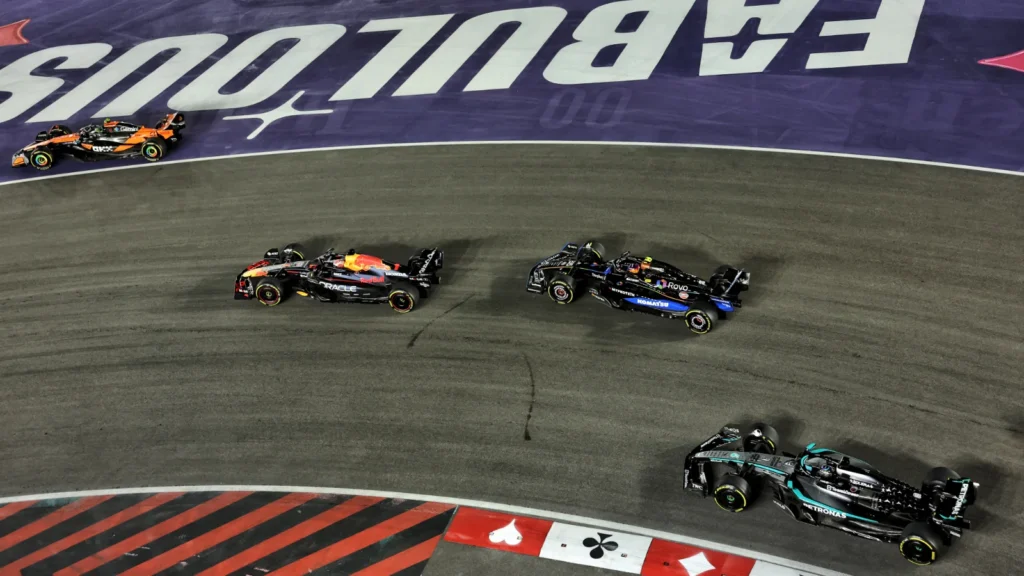
Formula 1 broadcasts into more than 200 territories and attracts hundreds of millions of views annually. That kind of reach is hard to find in any other sport. For casino brands sponsoring Formula 1 teams, this international platform provides both credibility and access to regulated betting markets worldwide.
- Hospitality, networking, and VIP conversions
F1’s hospitality options, such as the Paddock Club or team-hosted VIP events, offer casino brands premium opportunities to interact with customers. That kind of access can turn a logo on a car into a real business relationship.
- Media amplification in the streaming era
Modern Formula 1 content, including documentaries and social storytelling, amplifies sponsor visibility beyond race weekends. As fans follow the behind-the-scenes and driver stories, sponsor logos and activations gain organic exposure, adding to brand recall even outside live broadcasts.
- Key examples and milestones in the trend
Casino and betting brands have become far more prominent in Formula 1 in recent seasons. Their involvement now ranges from team title sponsorships and traditional livery placements to broader, series-level partnerships, reflecting both strategic investment and evolving commercial priorities.
To understand how we got here, it helps to look back on the history of casino sponsorships in Formula 1, which began with smaller regional betting logos before evolving into full naming-rights agreements and multi-year global deals.
One of the most striking early examples was the title sponsorship deal between the Sauber team and online casino and betting platform Stake. For the 2024 and 2025 seasons, Sauber raced as Stake F1 Team Kick Sauber, with the Stake and Kick brands prominently displayed on the cars, driver overalls, and team kit.
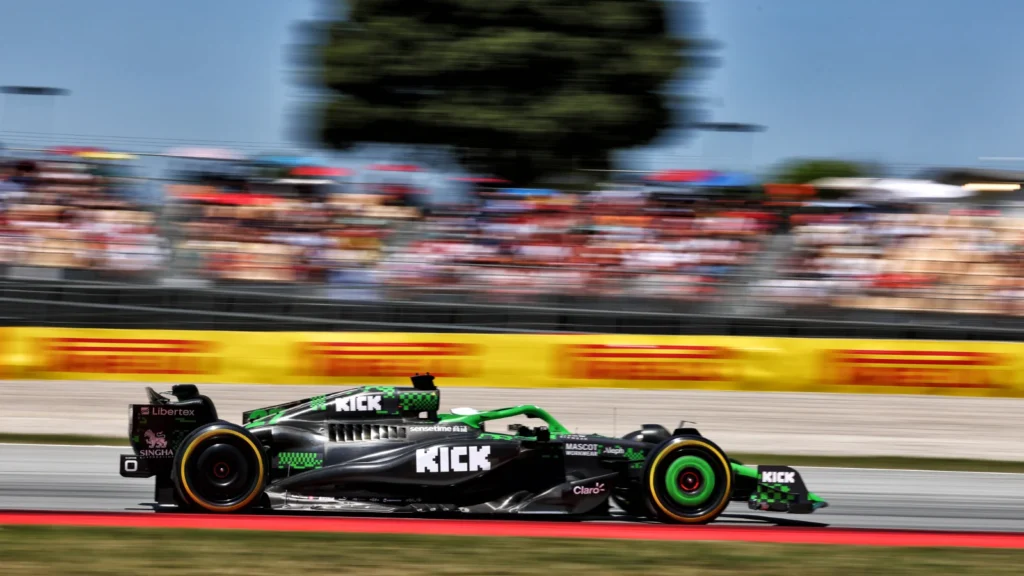
This remains one of the highest-profile cases of a casino brand owning naming rights on an Formula 1 team.
Gambling brands have not been limited to a single team. Motoring coverage notes that by 2025, around 70% of Formula 1 teams featured at least one gambling-related sponsor, highlighting the category’s widespread adoption.
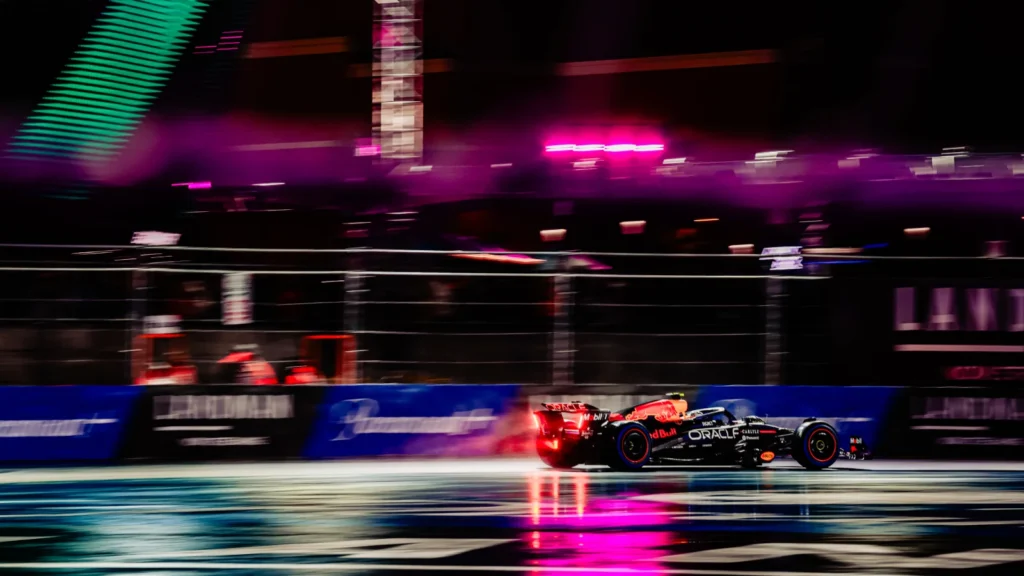
Cryptocurrency exchanges and crypto betting platforms have followed a similar path, partnering with teams including Red Bull Racing, Alpine, Williams, and McLaren in recent seasons. Audi revealed its new car for the 2026 Formula 1 season, marking the full works transition from Sauber to Audi ahead of its debut in the championship, adding another layer to F1’s commercial and competitive landscape.
- Drivers and teams embracing casino and betting partners in 2026
In 2026, several teams on the grid either carry casino and betting branding directly or have visible relationships with them.
- Stake F1 Team Kick Sauber — Although the Sauber entry was transitioning to Audi’s works effort in 2026, the legacy of the Stake/Kick branding remains a reference point for how casino brands have been integrated into team identities.
- Drivers associated with these teams include long-standing Formula 1 competitors like Nico Hülkenberg and Gabriel Bortoleto, who have driven under the Stake/Kick-branded Sauber livery.
- Crypto betting sponsors such as Gate.io, Binance, and OKX have historically appeared on team partner lists alongside other non-gambling sponsors, showing the broad reach of this commercial category across teams.
Not every team on the 2026 grid carries direct casino or betting branding; many maintain traditional tech, automotive, and luxury partnerships. However, the overall saturation of gambling-linked sponsors remains significant compared to previous eras.
- The driving forces
So why has this happened?
- Post-pandemic commercial reset
The financial disruptions of the early 2020s pushed teams to diversify revenue and embrace new categories of sponsors willing to pay for global visibility. Casino and betting brands fit that model by offering substantial investment potential.
- Regulatory strategy
Gambling advertising laws vary across jurisdictions. Formula 1’s global reach gives sponsors room to adapt their campaigns to meet local rules. That flexibility allows casino brands to expand internationally while staying compliant with different legal requirements in each market.
- Measurable returns
One of the major advantages of digital casino and betting brands is their ability to track customer acquisition and conversion metrics closely. By using promo codes, online registrations, and hospitality data, sponsors can directly measure the return on investment generated by their Formula 1 partnerships.
- The risks involved
The money makes sense, but there are risks.
- Reputational considerations
Fans and commentators have raised concerns about the ethical implications of associating gambling with a sport that attracts younger audiences. Teams risk alienating parts of their fan base if sponsorships are seen as promoting betting rather than celebrating sporting achievement.
- Regulatory uncertainty
The regulatory landscape for gambling and crypto advertising continues to evolve. Some countries impose strict advertising bans that limit what sponsors can show during national broadcasts or on team assets. This creates complexity for global sponsorship planning.
- Conclusion
The growth of casino and betting brands in Formula 1 says a lot about where modern sport is heading. From high-profile team partnerships to series-level data partnerships, these brands have capitalised on F1’s vast and affluent global audience.
As the sport continues to grow, how it manages this relationship, balancing commercial growth with fan trust and regulatory responsibility, will be a key part of its ongoing story.