
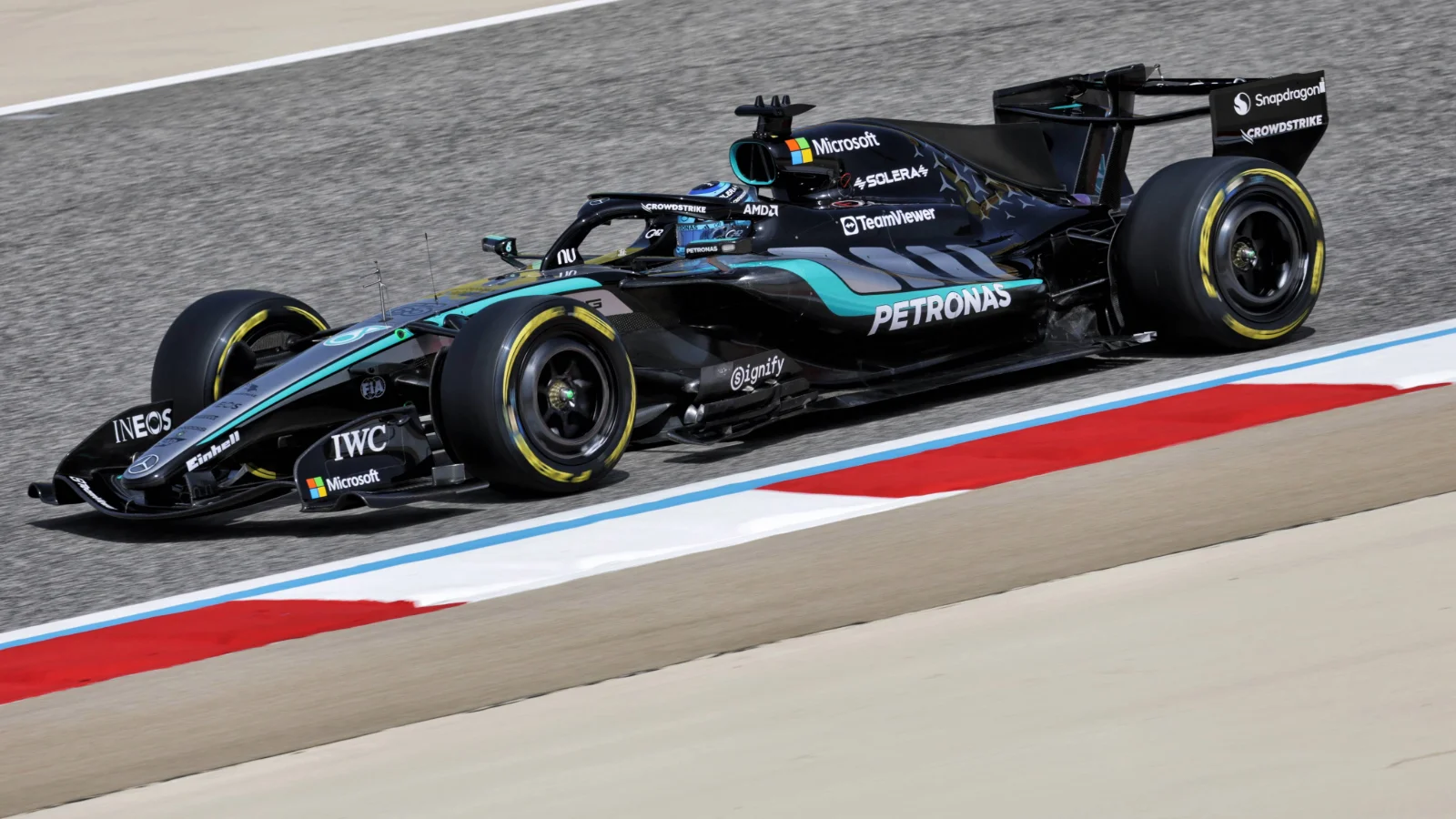
Mercedes faces a potential disqualification from the Formula 1 Australian Grand Prix, as rivals lobby the FIA for a rule change on engine compression ratios.
The furore of engine compression rations continued to rage unabated on Day 1 of the Bahrain test, with all Mercedes powered cars now facing potential disqualification in Australia.
Rivals are attempting to force a super majority to petition the FIA to change the regulations in order to outlaw the engine compression ratio loophole Mercedes has exploited.
If successful, the power unit has meticulously designed for F1’s new era would be illegal, raising concerns of all Mercedes powered cars being disqualified in Australia.


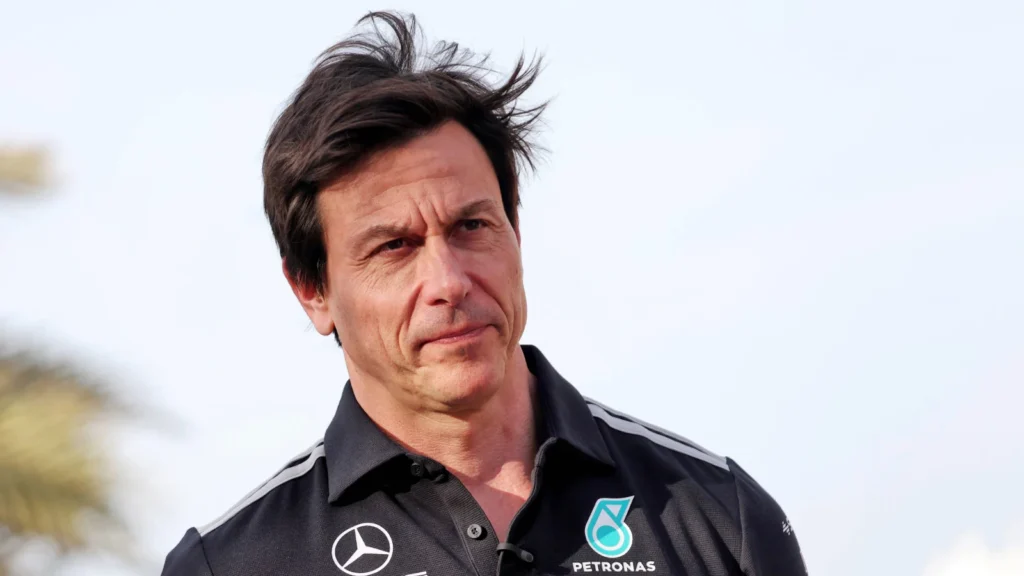
Mercedes Team Principal Toto Wolff reiterated his belief Mercedes has acted within the existing rules, and is placing his faith in the hands of the FIA.
“You know, in this sport, the sport is full of surprises, so there is never a situation where you can say you’re sure about anything,” he said to media, including Motorsport Week.
“All along the process, obviously, when you design an engine, you’re keeping the FIA very close to the decisions you make, and that’s what we did, and we have had all the assurances that it was, what we did was according to the rule, and it’s not even like we’re talking about some massive performance gain, and that’s what it was, but I think all of our competitors got a little bit aggrieved and lobbied the FIA for a long time, and so far we trust in the governance of the body, that is the power unit advisory committee.
“We’ll see what that gives.”
Can Mercedes run in Australia at all if power unit deemed illegal?
Wolff denied that Mercedes would take legal action against the FIA in face of the change, but did say any changes to the regulations would severely hinder its 2026 prospects.
“There is no such scenario as we would sue anyone,” he confirmed.
“It is in Formula 1, it is always about, Formula 1, in my opinion, is more essential than ever, that you know what the rules are, but engineering ingenuity is always respected, and that’s why we always got to respect the governance of the sport, and if the governance of the sport decides to change the rules, be it against our position or for our position, we just have to get along with it, go along with it.
“Of course, you develop an engine over a long time, and you have lead times, and if you were to be told you can’t operate the engine in the way you have developed it, that could be quite damaging for the performance.
“I think that the kind of lobbying from the other engine manufacturers has massively ramped up over the last few months. I mean, secret meetings, secret letters to the FIA, which obviously there’s no such thing as secret in the sport, and that has brought it to the situation.
“As I said, there is a governance process, and if that governance were to vote for an engine regulation change, you just have to take it on the chin. It is what it is, and obviously in that case it would be detrimental for all of the Mercedes-Benz power teams.
A solution needed
Wolff has revealed his push for a solution in the face of a potential regulation change, but confirmed this remains an aspiration.
“Well, if it becomes a regulation, you need to adhere to the regulation, and if you can’t adhere to the regulation, then the FIA needs to come out with some kind of invention, how to adjust for that, and that’s unclear to us.
“I’m a little bit more confused in the recent weeks about how it came to the point now that it suddenly became a topic, because until last Friday, I was giving the impression that things wouldn’t change.
“So do you get the impression now that it is going to change? Well, I read, Bradley O’Adams was the kind to forward me an article from an Italian website that said, gee, regs [regulations] are going to change.”
READ MORE: McLaren reveals ‘redefined communication’ for Lando Norris ahead of F1 title defence







Discussion about this post