
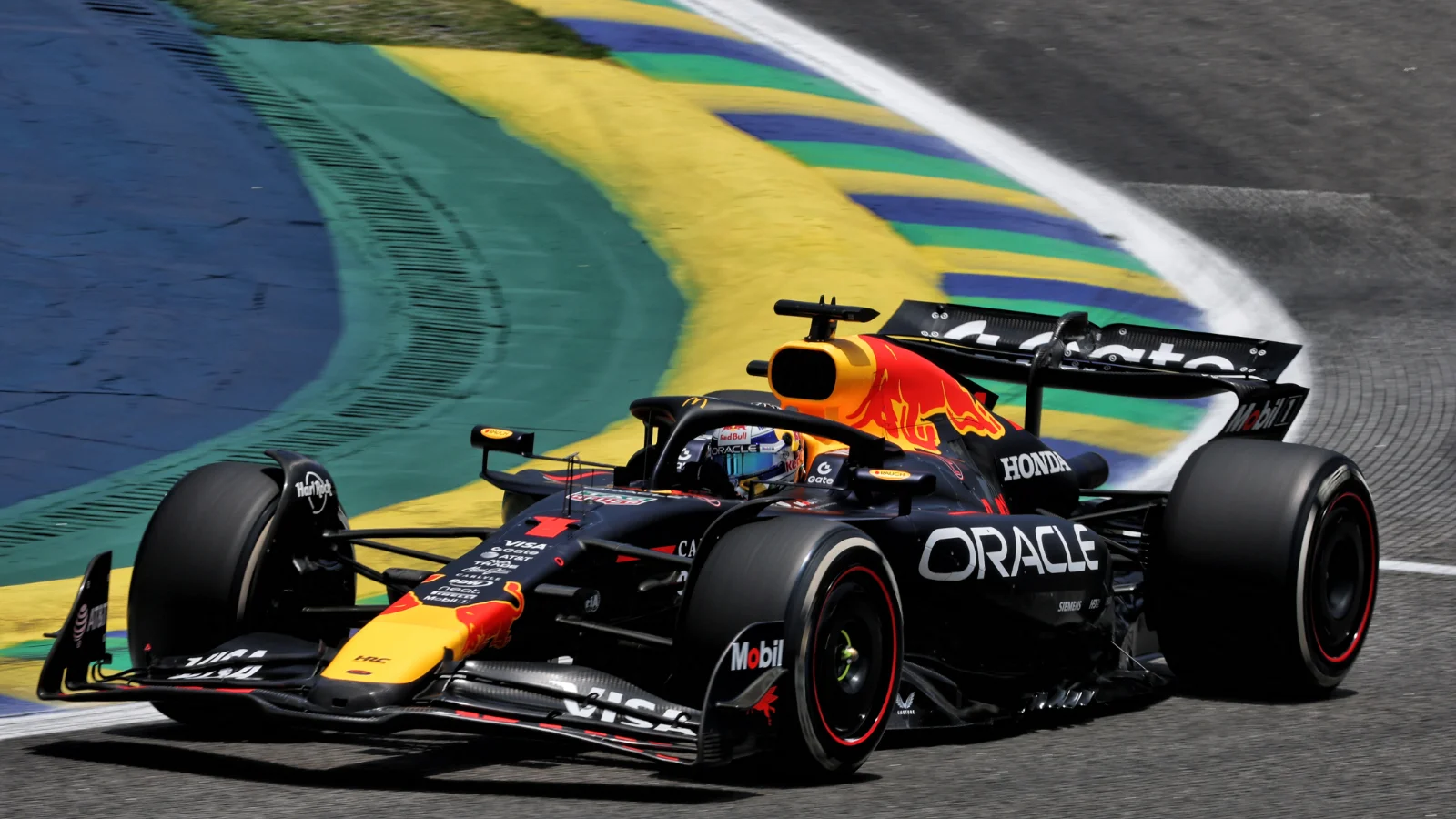
The FIA has delivered a public response to a scathing attack from Max Verstappen on the impact that the current Formula 1 ground-effect cars have had on his health.
The current cars will be retired after this weekend’s Abu Dhabi Grand Prix, as the 2026 technical regulations see the sport shift to active aerodynamics and smaller cars.
First introduced in 2022, the current cars suck air underneath the floor to generate vast amounts of downforce, increasing cornering speeds for drivers.
Verstappen and Red Bull have dominated this era, winning back-to-back Drivers’ and Constructors’ titles in 2022 and 2023, with the Dutchman retaining his crown in 2024.
But despite all that success, Verstappen has criticised the cars, highlighting the immense difficulty in driving one over a race distance, including medical complications.
“It hasn’t been comfortable at all, all these years – my whole back is falling apart and my feet always hurt,” said Verstappen in Las Vegas to media including Motorsport Week.
Verstappen revealed the scale of the physical challenges faced by drivers when racing the ground-effect cars,
“Physically, it hasn’t been the best. When you do scans, they don’t look good,” he added.
“On the other hand, if you look at motocross, we have nothing to complain about. But if you know what it was or what it could be, I’d rather go for what we had in 2015-2016.”
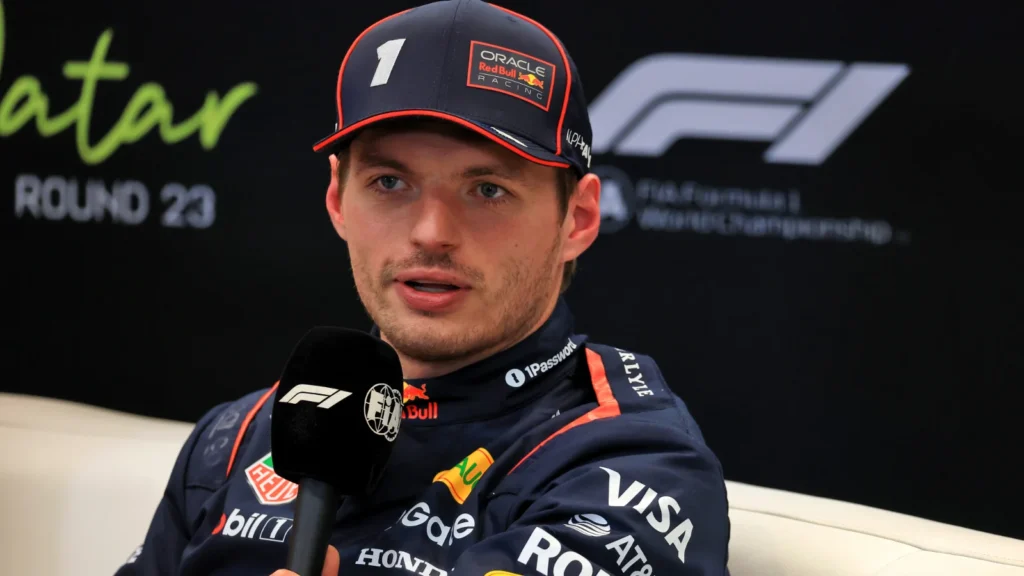
Will the new regulations provide literal pain relief for Verstappen?
FIA Single Seater director Nikolas Tombazis responded to Verstappen by confirming the 2026 cars will eradicate porpoising, as they will not run as close to the ground.
“I think the main issue you’re referring to is the fact that cars have been running very low and very stiff,” he explained.
“That was something that, overall, had not been anticipated in the generation of these current cars.”
“The natural direction of the aerodynamics for next year still favours low-running cars more than high-running cars – but not by the same amount.
“The slope of aerodynamics versus ride height is reduced, which means that the optimum will be a bit higher, and the cars will be running, we believe, a bit softer overall in order to have mechanical grip.”
‘Clearly, that is what we’re speculating. We’re not actually sitting there determining the conditions of the cars, but all indications we have are that it will be a bit better in that respect.
‘But we’ll know for sure once we see the cars running.”
Teams confident of overcoming problems that arise in 2026
Mercedes Deputy Technical Director Simone Resta has also confirmed the teams now possess the capability to eradicate any unforeseen side effects of the new cars.
“It’s also fair to say that, like in every regulation change, this problem has been clearer and stronger at the start of this cycle,” he said.
“So in 2022, there were a lot of porpoising issues and drivers complaining about that.
“And then, like in every cycle, month after month, year after year, teams understand the dynamics, understand how to cope with them – and the problem is kind of vanishing at the end of the cycle.
“So in every cycle, there’s going to be a lot of new things to learn. It’s going to be very exciting, and teams will take the time to sort out those issues.”
READ MORE – Yuki Tsunoda claims predecessors haven’t managed what he has in Red Bull F1 seat




Discussion about this post