
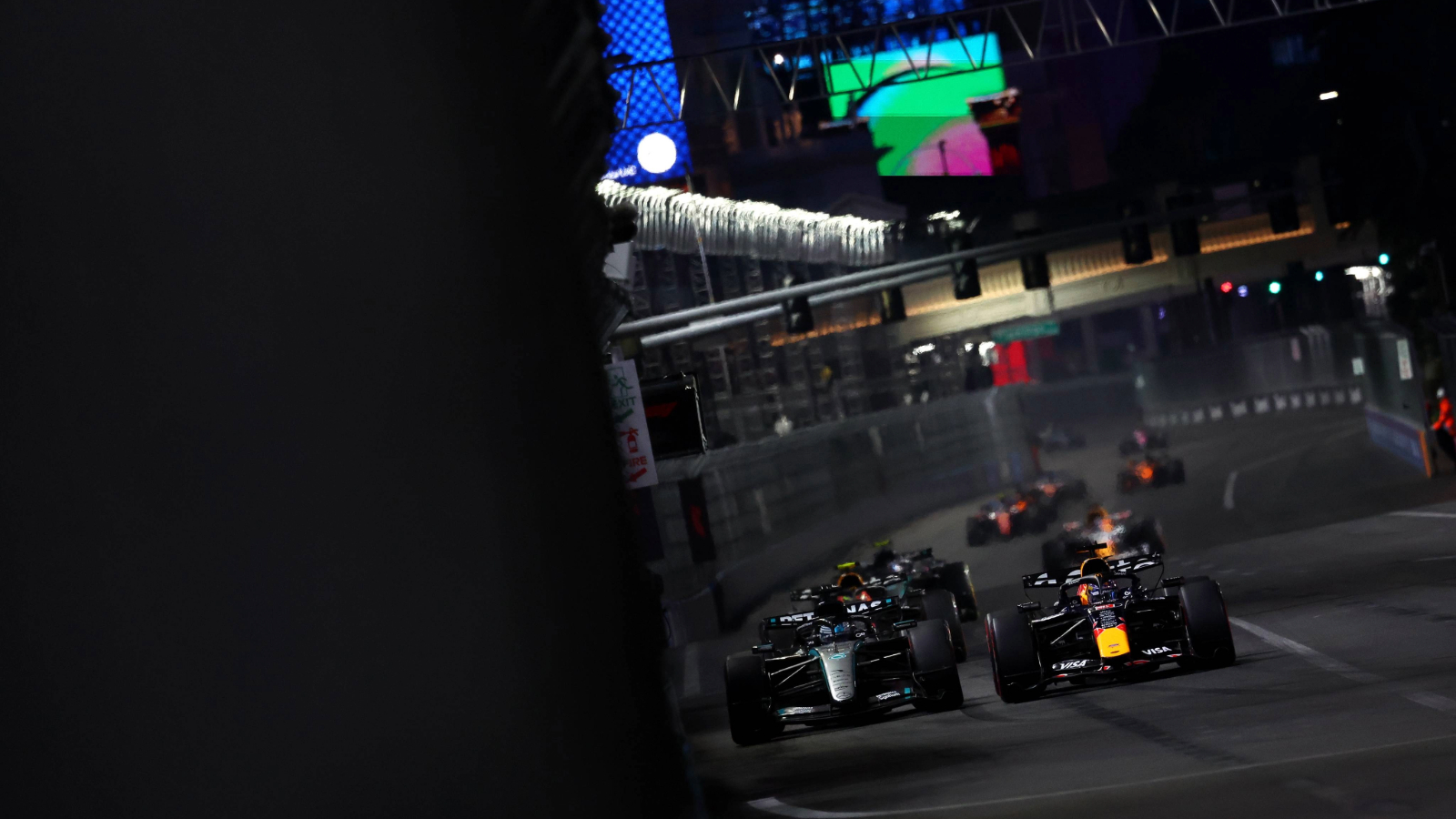
It was fitting that over the weekend of the Formula 1 Las Vegas Grand Prix, the FIA played two ace cards.
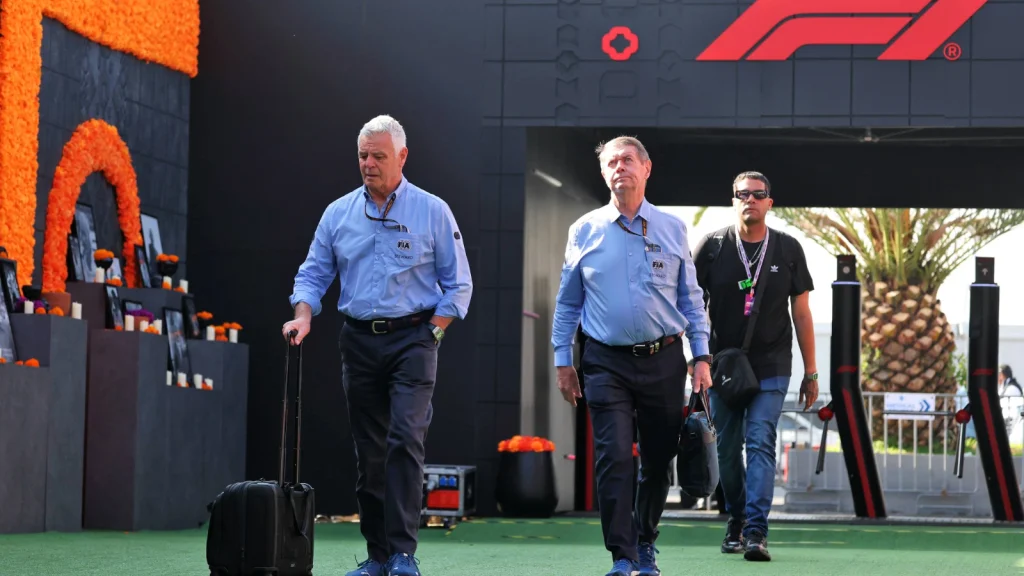
One was the confirmation that wheels are in motion to begin the process of recruiting 12-15 permanent stewards for an entire Formula 1 season, which has been universally received with positivity by fans and pundits.
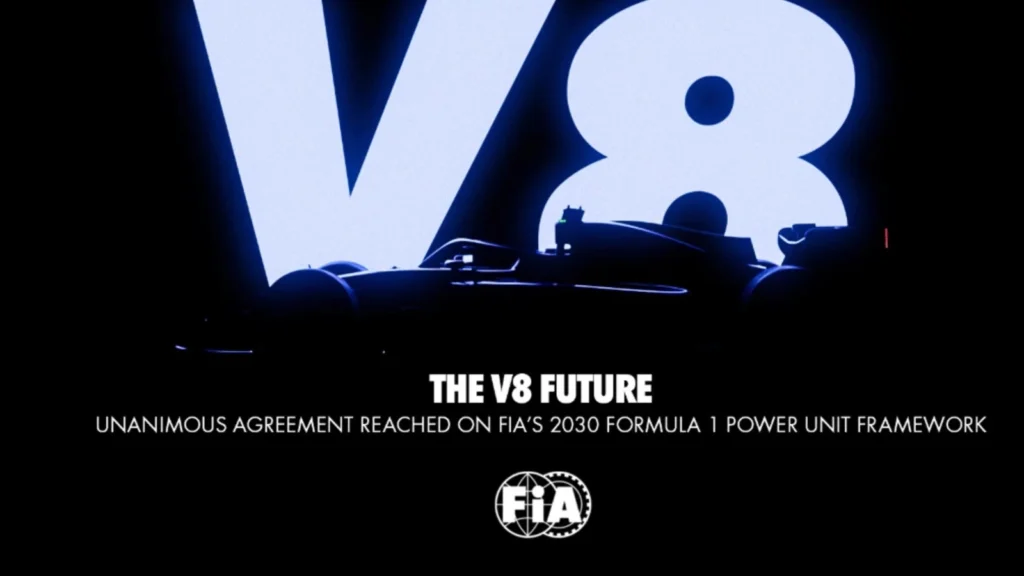
The other was the announcement that a unanimous agreement has been reached to lay down the framework for a return to V8 engines in 2030. Despite some scepticism and hesitation, there is no doubt that the concept has been largely met with rows of metaphorical ‘thumbs-ups’.
Now it is the sport’s governing body’s job to ensure that the words are translated into actions that will ensure the positive noises continue once these plans become reality.


Stewarding hope into joy
Across several single-seater championships, stewarding has been called into question. F1 is no different. A common theme running throughout a number of seasons now has been the lack of consistency in the scale of penalties and punishments dished out to a driver, from one race to another. Of course, drivers will invariably think they’re in the right on whatever incident it might be, but there is no smoke without fire when it comes to the amount of times that an accusations gets thrown out that a punishment hasn’t fit a crime, whether it is too lenient or too harsh.
Combining with its new Remote Operations Centre in Biggin Hill, the FIA plans to find a team of stewards that will be conducting the proceedings across the entirety of a season, rather than rely on a new set every race, accompanied by the usual faces in the shape of its Driver Stewards.
These are to remain, which is a good thing. Whilst some have been out of the cockpit for a number of years, the principles of racing and the dangers that go hand-in-glove remain. That experience of having been in those situations before themselves are vital to taking one’s self out of the situation, and seeing it in the mind’s eye from behind the visor.
Little is known yet about the training of these stewards or, indeed, their backgrounds. One common topic that has arisen in football refereeing over the years has been tolerance to certain conduct by players, depending on which part of the world the referee is from. Players from South America and Africa are perhaps a little more physical than other parts of the world. Of course, VAR is now the retrospective screen assistant, which, despite the criticisms it rightfully receives, is, in principle, there to ensure equality in what decision is being made.
Naturally, F1 stewards will have a plethora of camera angles in which to review on-track incidents, and this should help lead the horses that are the stewards to the water of a correct decision. But the inconsistency debate continues.
However these prospective stewards are trained to become the part of the ‘12 Angry Men’ responsible for deciding a drivers’ fate, making the guidelines upon which they are taught must be watertight and little room for ambiguity and differing interpretations. This, in turn, should also help dictate any future set of sporting regulations to have the same sort of blanket areas, and match the black and white they are printed on: No grey areas.
Powering up without charge
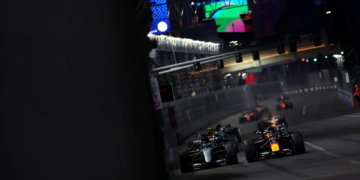
I’ve said it before and I’ll say it again: returning to V8 power is not a controversial issue if you are an F1 fan. For any Netflix-dwelling fan that has no memory of the old days of full ICE power, it shouldn’t be an issue. It’s not a debate of removing the Halo or the HANS device – it’s to get F1 back to where it was: fast things that made lots of noise.
And ecoists cannot say much either, with sustainable fuels being the thing to help them run. Net Zero targets can be reached and old fogeys like me can still have their fun back.
But with this announcement comes potential pitfalls. It’s all well and good to celebrate V8s coming back without any discernible plan for how it’s going to look. F1 has changed in lots of ways since it last powered their cars.
But the core fundamentals are: less weight and narrower diameters. And with the right aerodynamic regulations, we have an opportunity to produce cars that are more nimble and encourage racing that not only will be organic and exciting, but it also, as an extended nugget of positivity, has the scope be done on circuits that lost their entertainment value when the cars got bigger.
Another fundamental that does not affect the overall shape and aesthetics of the car is cost. With sustainable fuels a bit of a non-negotiable now, the expensive nature of them means that the necessity to find ways to cut overall costs are more relevant than ever, and production of such an engine is a way for this to happen.
The last two points are also vital for both drivers and the teams. The former category will no doubt be elated by the prospect of racing these sort of cars, particularly the 17 who haven’t raced with them before. And for the five that have, it’s a throwback to the things that were ‘better back in my day!’
And for the teams? It’s saving what is known in technical terms as a “s**tload of cash”, to make engines with more simplicity and less battery. Cadillac has stated it will switch to making its own engines – always part of its grand plan – for 2030, and even Audi are making positive noises about the idea, despite entering F1 with the prospect of racing immersed in electrification, as per its wont.
So then, there’s the brief, F1 and FIA. You’ve given the majority of the people what they want, now you need to put it into practice. To quote the words of Captain Jean Luc Picard of the Starship Enterprise:
Make it so.







Discussion about this post