Add up every number on a roulette wheel, from 1 to 36, and you get exactly 666.
It is simple arithmetic that anyone can check on a napkin, and it has generated more colourful folklore than almost any other mathematical coincidence in gambling history.
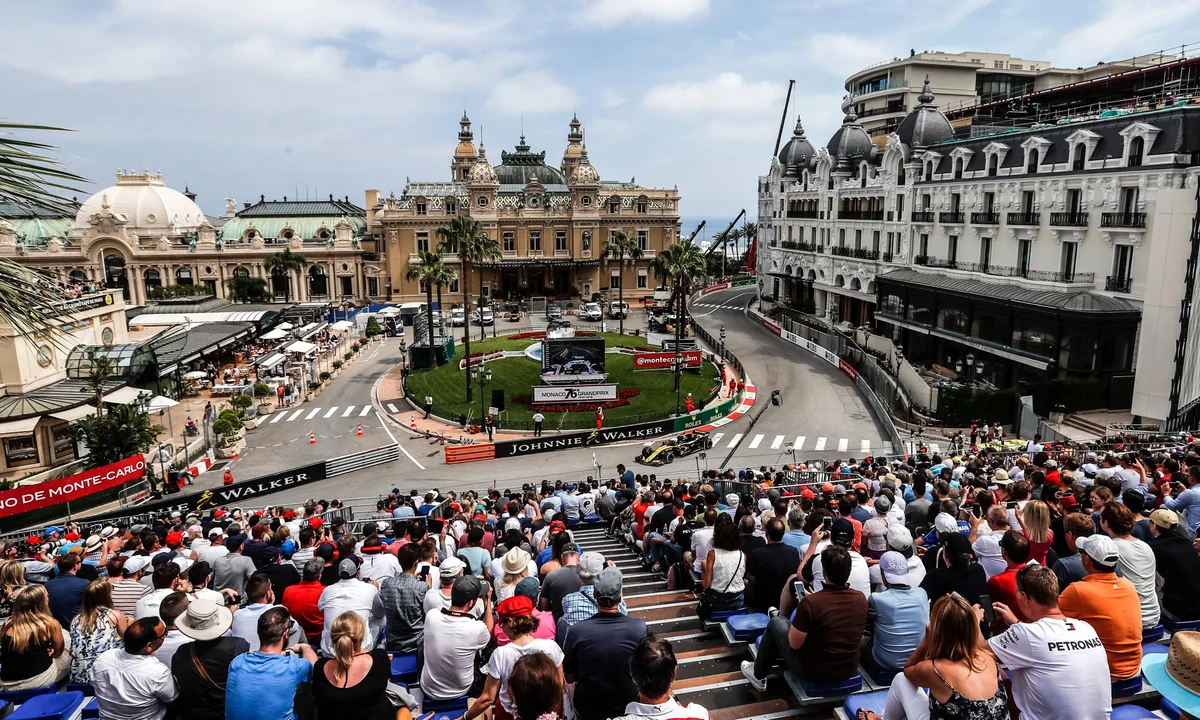
The story runs through a clever bit of counting, a French businessman with a legendary reputation, and one of the most famous corners in Formula 1. That corner is Casino Square in Monaco — and if you are in Australia and have ever stayed up late to watch cars squeeze through the streets of Monte Carlo, you have seen the building where roulette’s most famous number story begins.
The maths first
The 666 total comes from what mathematicians call a triangular number. Imagine stacking cans in the shape of a pyramid: one on top, two underneath, then three, then four and so on. Every row has one more than the row above. Build that stack 36 rows deep and you have used 666 cans.

There is a shortcut too. Multiply 36 by the next number up, then halve it:
36 × 37 ÷ 2 = 666
That makes 666 the 36th triangular number. It is also the largest triangular number written with one repeated digit. The green zero adds nothing to the total, so a single-zero wheel still arrives at 666.
The neat detail is 36 itself. It is both a square number (six times six) and a triangular number — so a wheel numbered 1 to 36 was always going to produce a tidy sum, even though nobody planned it that way. Anyone who enjoys this kind of curiosity while following the numbers at an online pokies and live casino platform will recognise the same underlying probability thinking that runs through every casino game.
François Blanc and the deal with the devil
François Blanc is the name attached to the 666 legend. The curious thing is that his most famous change to roulette actually helped players.
In 1843, Blanc introduced the single-zero wheel at Bad Homburg in Germany, giving the casino an edge over rival venues in Paris that still ran the double-zero format. One fewer zero meant better odds for everyone sitting at the table. His career from that point moved quickly:
- 1843: Blanc introduces the single-zero wheel at Bad Homburg
- 2 April 1863: The Société des Bains de Mer is created by sovereign order in Monaco, with Blanc paying 1.7 million gold francs for a 50-year gaming privilege
- 1866: The Monte Carlo district is founded on a small hill once known as Spélugues
- 1877: When Blanc dies, his Monte Carlo casino is the only one still open in Europe
With a run of success like that, people wanted an explanation and folklore supplied one. The story went that Blanc had made a deal with the devil to learn roulette’s secrets, and the 666 total became the supposed proof. There is no historical record of Blanc ever even noticing the figure — it was almost certainly spotted later and attached to the most famous name in the game.
There is a gentler detail worth adding. Blanc’s wife Marie is credited with advising Monaco’s then ruler, Prince Charles III, on the name Monte-Carlo. Behind the legend was a very good partnership, and the company the Blancs built and has shaped Monaco for generations. As a motorsport fan, you will know one of those outcomes immediately.
Where the wheel meets the racing line
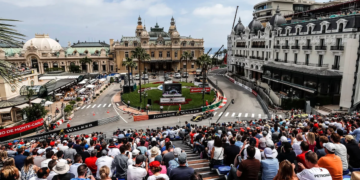
Casino Square brings the roulette legend and Formula 1 together in one place. The building at the heart of Blanc’s story sits directly on the racing line.
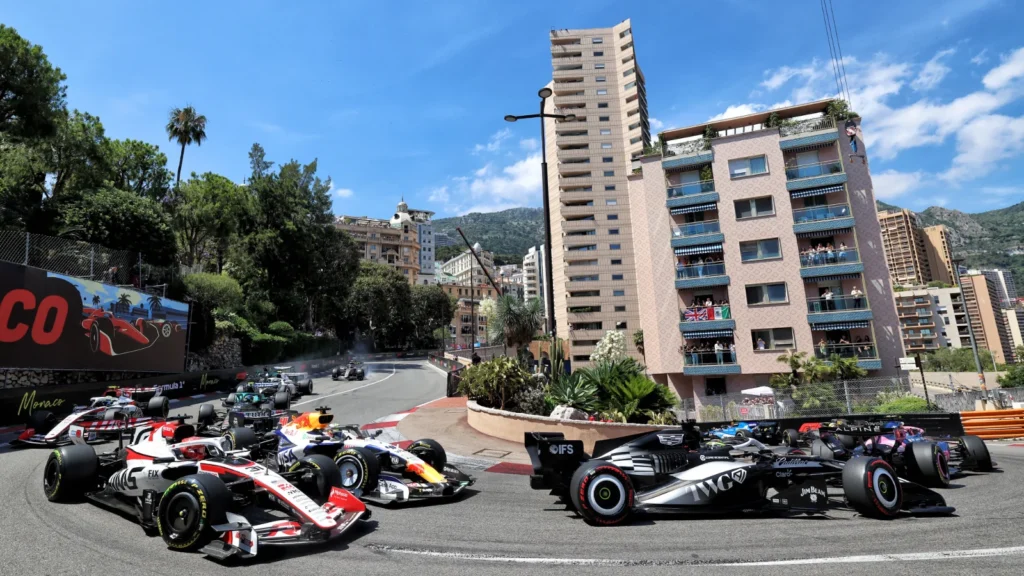
On the Circuit de Monaco, cars come through the quick Massenet left-hander and sweep right past the front of the Casino at Turn 4. Monaco is also the only track on the 2026 calendar where Straight Mode is switched off for the entire lap, so cars run with high-downforce wings throughout. Every metre is about grip and precision.
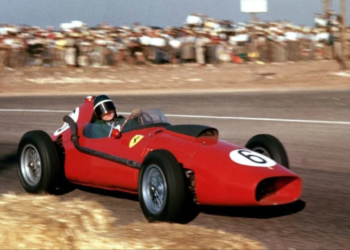
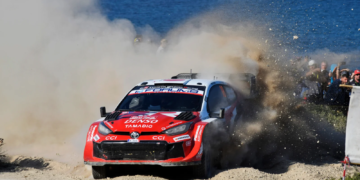
The motorsport connection goes back further than Formula 1. The Société des Bains de Mer — the company that Blanc founded — launched the iconic Monte-Carlo Rally in 1911, so Blanc’s organisation was part of Monaco’s racing story decades before a grand prix car ever passed Casino Square in 1929. The latest chapter came on 7 June 2026, when Kimi Antonelli turned pole position into a commanding win for Mercedes, with Lewis Hamilton second for Ferrari.
Formula 1’s leadership clearly values the venue. When the Monaco Grand Prix deal was extended to 2035, chief executive Stefano Domenicali said: “The streets of Monaco have resonated with the sounds of Formula 1 since the sport’s inception, so I am thrilled to announce the extension of this remarkable event until 2035.”
The Australian connection
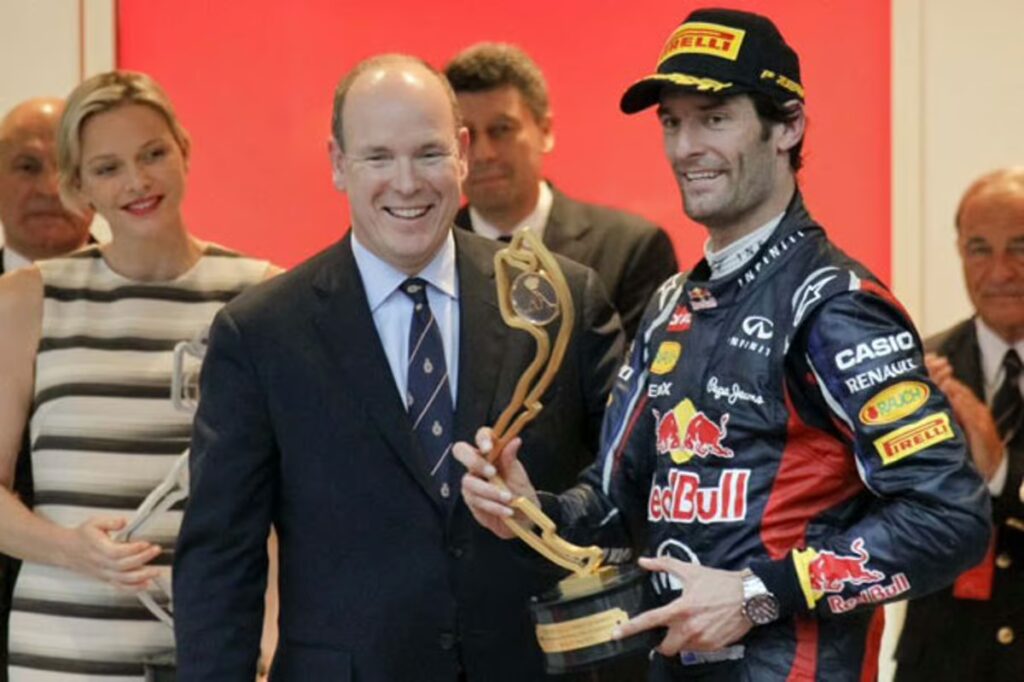
Australia’s history at Monaco goes back further than most fans realise. Triple world champion Jack Brabham won there in 1959, and it took more than 50 years for another Australian to match him — Mark Webber winning from pole in 2010.
Interest in Formula 1 in Australia has never been higher. The 2026 Australian Grand Prix attracted 483,934 spectators over four days, breaking the previous record of 465,498 set in 2025. Thursday alone drew an estimated 86,210 people, the highest opening day on record, and all three main race-day sessions sold out earlier than ever before. Oscar Piastri even had his own grandstand at Albert Park.
With deals extending well into the 2030s for both Melbourne and Monaco, Australian fans have a great deal to look forward to.
From the wheel to the circuit
Put it together and the 666 story has more to do with place than anything supernatural. A neat triangular sum, a businessman’s player-friendly single zero and a street circuit all converge in one square in Monte Carlo.
The next time Casino Square appears on screen, the building in shot is the one where roulette’s most famous number story began — and where Blanc’s company quietly helped invent the rally that still carries its city’s name more than a century later. One wheel, one square, and a surprisingly long reach into the history of motorsport…
Advisory: Gambling should be treated as entertainment. Set a budget before you start, know your limits, and if worry replaces enjoyment, free and confidential support is available through Gambling Help Online.