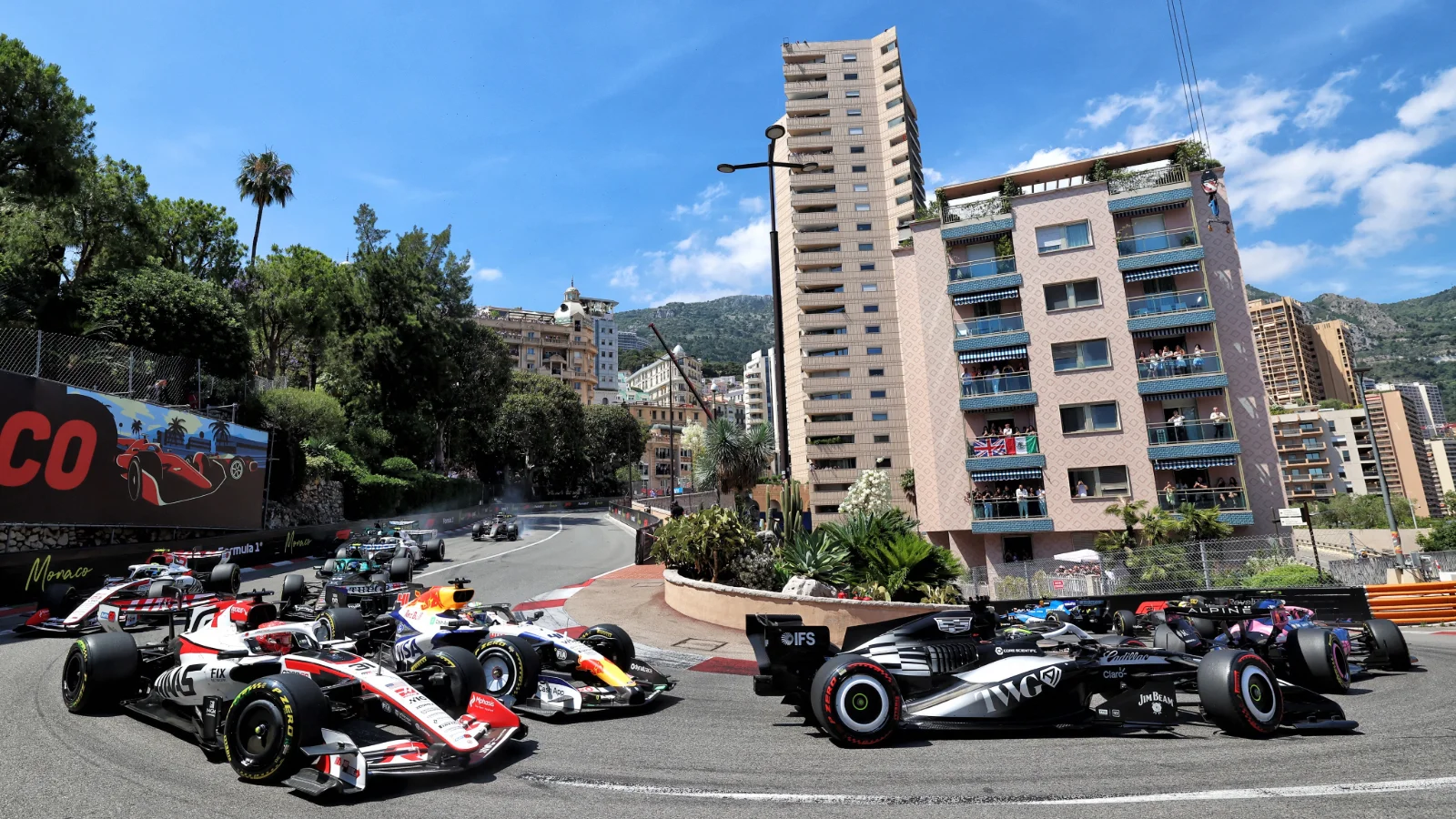
Motorsport has always been a sport of marginal gains. A tenth of a second can separate two cars in qualifying, while a small change in tyre degradation can transform a race strategy. But as technology continues to develop, the way those margins are created — and understood by fans — is changing too.
The modern race weekend is increasingly shaped by data, simulation and real-time decision-making. At the same time, fans are being given more information than ever before, creating a viewing experience that extends well beyond what happens on the circuit.
The hidden systems behind every lap
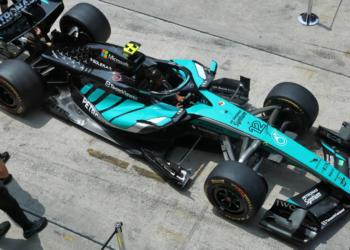
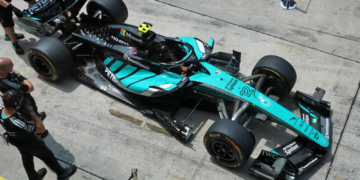
A Formula 1 car may look relatively simple from the outside, but the amount of information generated during a lap is enormous. Engineers monitor tyre temperatures, energy deployment, brake performance, aerodynamic behaviour and hundreds of other parameters. That information is processed almost immediately, helping teams decide how to react to changing conditions.
For spectators, however, the challenge is different. Too much information can be just as difficult to follow as too little. The best broadcast technology therefore has to translate complex engineering into information that can be understood within seconds.

This is one reason strategy graphics have become such an important part of modern F1 coverage. A viewer does not need to understand every calculation performed by a strategy department. They simply need to know that one driver is protecting his tyres while another is preparing for a pit stop, or that an alternative strategy could become relevant if a safety car appears.
Motorsport Week has previously examined this development in greater detail in its analysis of how data analytics is transforming modern F1 strategy.
The 2026 regulations add another layer
The arrival of the 2026 technical regulations has made the relationship between data and performance even more significant. The new Formula 1 power units place a much greater emphasis on electrical energy, while the cars also feature active aerodynamics. The FIA’s regulations increased the electrical component of the power unit substantially and introduced systems designed to alter aerodynamic configuration between different phases of a lap.
That creates a different kind of strategic challenge. Drivers are no longer simply managing fuel and tyres. Energy recovery and deployment can influence how a driver approaches several consecutive corners, particularly when preparing for an overtaking opportunity or defending from a rival.
The result is a sport in which software, simulation and human judgement increasingly overlap. The underlying regulations are available in the FIA’s 2026 Formula 1 regulations, which have also been updated during the season as teams and officials have gained experience with the new framework.
Why uncertainty matters
Technology can explain what is happening, but uncertainty is what makes a race compelling. A driver may appear to have control of a grand prix before a change in weather, a safety car or unexpected tyre degradation changes the picture. Strategy models can estimate the likely consequences, but they cannot remove every variable.
That uncertainty is familiar across digital entertainment as well. Many forms of interactive entertainment rely on anticipation and feedback. In slot-game design, for example, visual and audio feedback can make individual outcomes immediately understandable while varying game mechanics maintain a sense of anticipation.
The comparison is useful for motorsport not because racing should imitate gaming, but because both industries face a similar challenge: how do you make a complicated underlying system feel clear and engaging to the person watching or interacting with it? In racing, the answer increasingly involves presenting the right information at the right moment.
Turning data into a story
The modern pit wall is effectively a decision-making centre. Teams can simulate different scenarios before a race, then compare those models with live information once the cars are running. If tyre degradation differs from expectations, the original strategy can be adjusted. If a rival pits early, engineers can calculate whether responding immediately or remaining on track offers the stronger tactical option.
For fans, this creates another layer to the race. The battle is no longer simply between two cars travelling around a circuit — it can also be a contest between different strategic assumptions. One team may prioritise track position. Another may focus on tyre life. A third could gamble on a safety car or changing weather. The audience can follow those decisions in real time, provided the broadcast communicates the consequences clearly.
The driver remains central
There is a danger in assuming that more technology automatically means better racing. Data can identify trends, simulations can test scenarios and algorithms can process information faster than a human. But the driver still has to interpret the behaviour of the car and communicate what cannot always be captured by a sensor.
A driver may report that the front axle is beginning to feel less predictable, even before the available data shows a significant change. Engineers can then compare that feedback with telemetry and simulation models. The most effective process is therefore not human versus machine — it is human and machine working together.
That relationship is likely to become increasingly important as motorsport moves further into an era defined by electrification, advanced aerodynamics and increasingly sophisticated software.
A more interactive future
The next step may be to give fans greater control over how they consume that information. Onboard cameras, live telemetry, tyre strategy, driver comparisons and predictive graphics could all become part of a more personalised race experience. Instead of receiving one standard broadcast, viewers could eventually choose which layer of the race they want to follow.
That could be particularly valuable for newer fans. Someone watching their first grand prix may want a simple explanation of the battle at the front. A more experienced viewer might prefer detailed energy deployment or tyre information. The technology already exists to provide both.
The challenge is deciding how much information should be presented and when. Motorsport is at its most compelling when technology helps explain the competition without overwhelming it. The future of racing will therefore not simply be about faster cars or more sophisticated power units — it will also be about making the complexity of modern motorsport easier to understand.
Every lap now contains a huge amount of information. The teams have learned how to turn that information into performance. The next challenge is ensuring that fans can turn it into understanding — and, ultimately, a deeper appreciation of what is happening on track.