
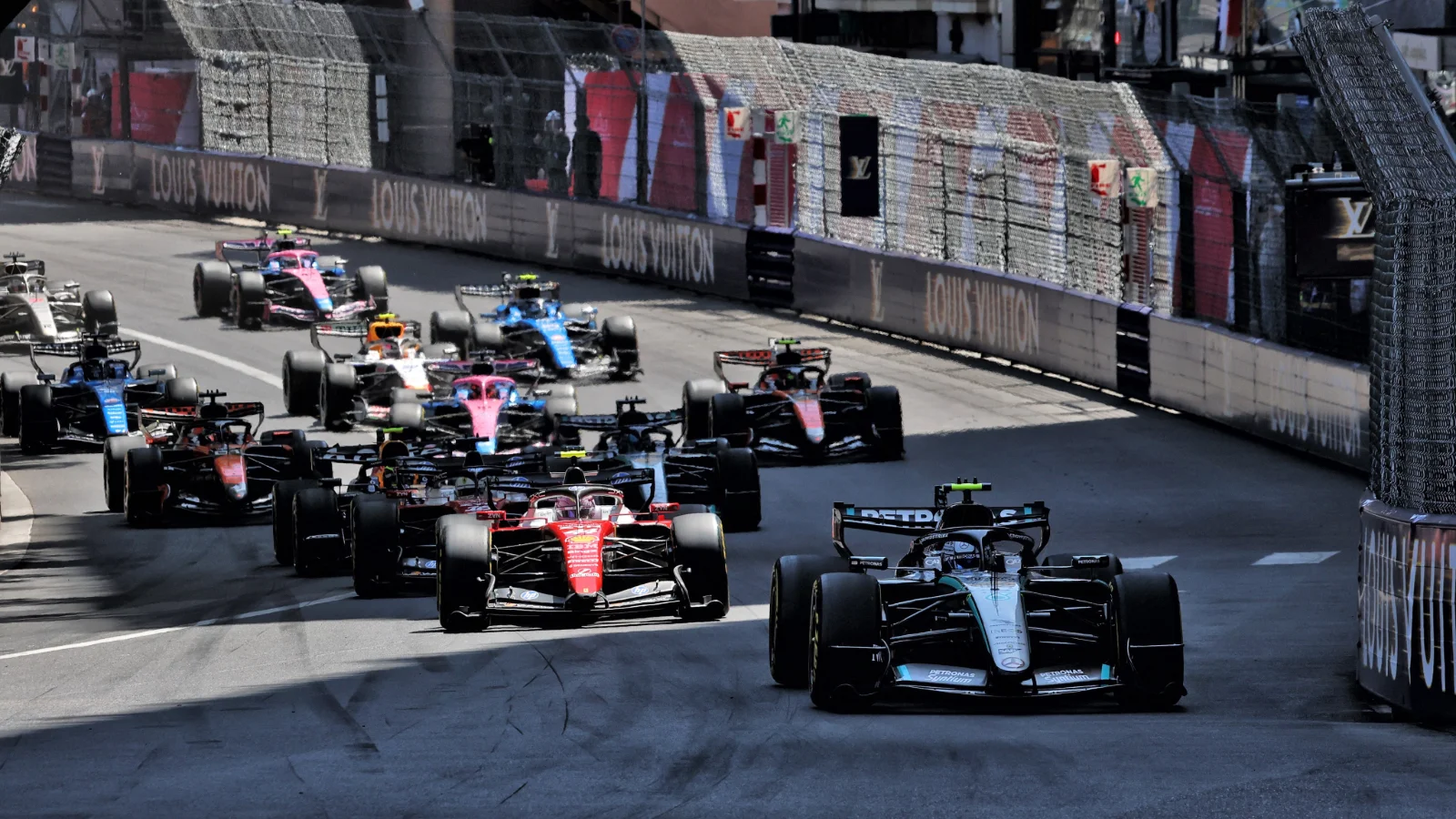
Motorsport Week Editor Jack Oliver Smith takes a look at the decision for Monaco to have a Formula 1 Sprint Race next year, and if there is a possibility that the radical idea may just work.
Midway through last week, Formula 1 announced its calendar for the 2027 season, and on the face of it, it was, somewhat, a case of what you’d expect. Most places are where they should be, and the already-confirmed returnees of Portimao and Istanbul were also there.
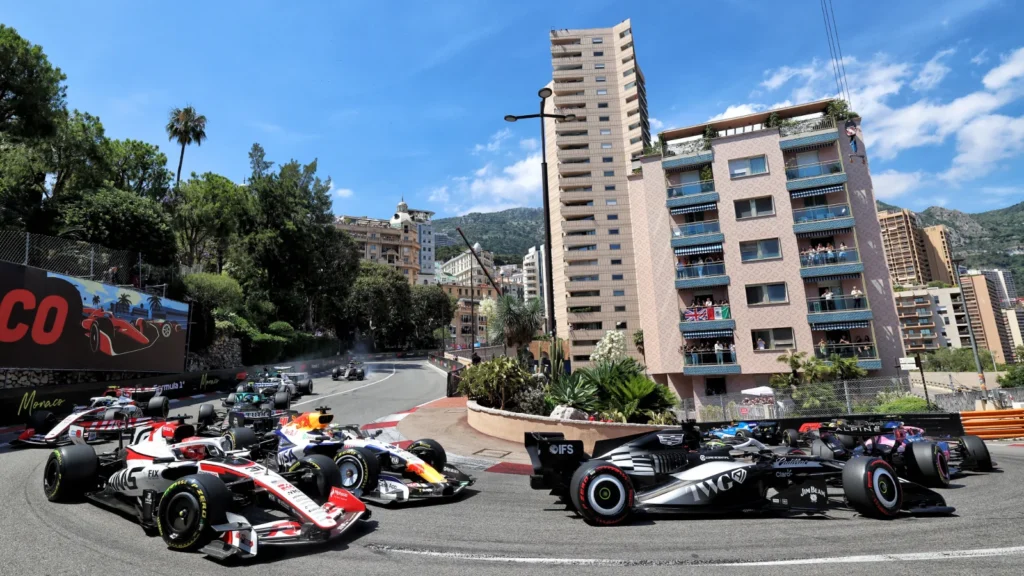
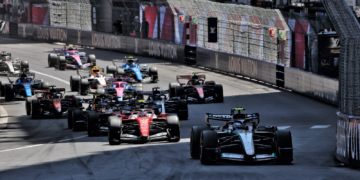
But, as many might have dreaded [but all predicted] we have now over a third of the season covered by Sprint races, one of which happens to be taking place in that famed, overtake-heavy racers’ circuit that is Monaco.
No, you did read that right.
This year, we have a Sprint in Singapore, which many people felt was utterly ridiculous, but this is a new level of unfathomable.
Perhaps I have missed something, but I always thought the point of Sprint races in Formula 1 was they were nuggets of entertainment designed to put an emphasis of seat of the pants, balls-on-the-chopping-block racing without any emphasis on changing tyres and reliance on pit crews to potentially determine the outcome.
In fact, F1 itself described Sprints as its usual brand of racing, “…but with a little less conversation, a little more action” which will “encourage a race that is dynamic rather than strategic.”
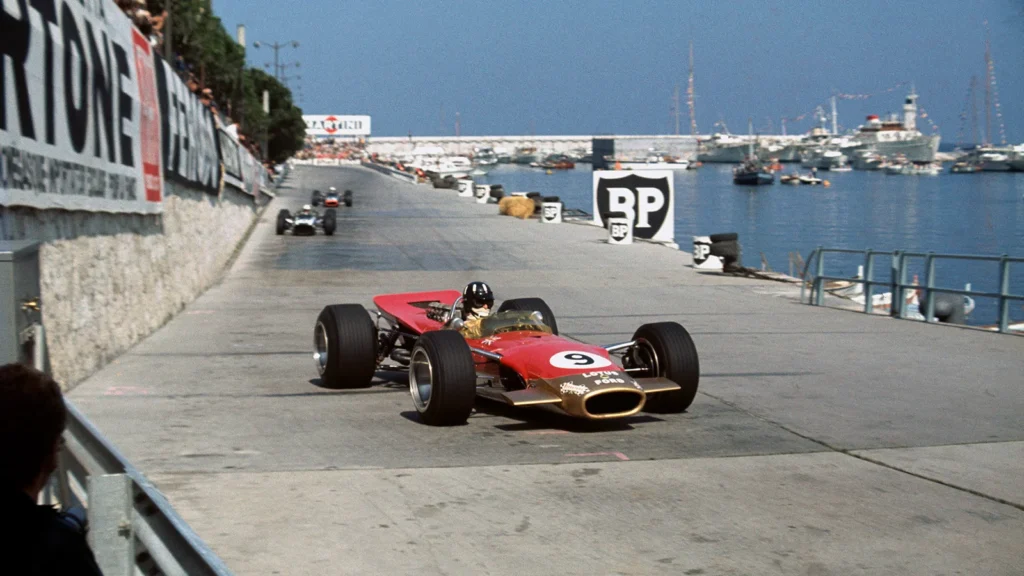
Monaco: A top qualifer’s dream
The unique nature of Monaco was that strategy was part of a two-fold element to nailing a good result, rather than any reliance on overtaking. Surely then, a Sprint race in Monaco to increase entertainment is a little bit like trying to cure a headache by having someone punch you in the head.
The other element of Monaco’s two-fold appeal is qualifying: if you’re good over one lap, then you’ve done half the job already. It isn’t a coincidence that Jarno Trulli, a man who was known for his one-lap nous and knack of creating a train of cars behind him, scored his only Grand Prix win at the Principality. And if it wasn’t for wretched Ferrari strategy and equally wretched bad luck, Charles Leclerc, F1’s modern ‘quali king’, would have taken more than just win on his home turf.
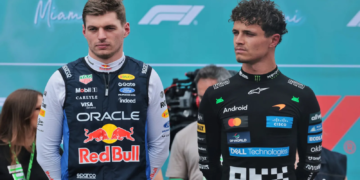
Now, F1’s social media team have already leant on this already by proclaiming that, with the Sprint Race, we have two qualifying sessions. Fair enough, I suppose, but it’s the drivers I feel sorry for. It’s always felt that a great deal of them, particularly the purists like Max Verstappen, have never taken to Sprints, and to have one in what is, on paper, the most pointless place to have one, must feel like such an irritating waste of time.
It’s also, one would think, a poor decision for the TikTok-wielding, Netflix generation type of fan who sometimes seem to be the only ones that matter these days. I have often got the impression that many of them have railed against Monaco’s place on the calendar. They’ve never quite understood that it was never an overtaker’s paradise – it was a driver’s supreme test of skill and concentration, as well as a test of bravery in qualifying. So surely to them, this is equally as pointless?
F1 World Champion concedes Monaco Sprint could bring excitement
Let’s ask a man who knows how to get pole position in Monaco, and then win it: Lando Norris.
“I guess the main thing is that means you’ve got FP1, [Sprint] qualifying on Friday — which is the challenge,” he was quoted as saying last week, adding: “Obviously not a lot happens in a race on Sunday or in the Sprint, but the challenge is just one practice session straight in, which has probably never happened before in Monaco.
“You don’t have as much time to build up to things so you’re probably going to have to try and risk a little bit more earlier — which is normally when you can see a bit more of a difference between people who can get comfy, try things and be at 99 per cent and not go to 103 and 104 per cent — because in Monaco when you go to that limit, game over.”
The reigning World Champion concluded: “It’s more exciting for the fans and the people watching.”
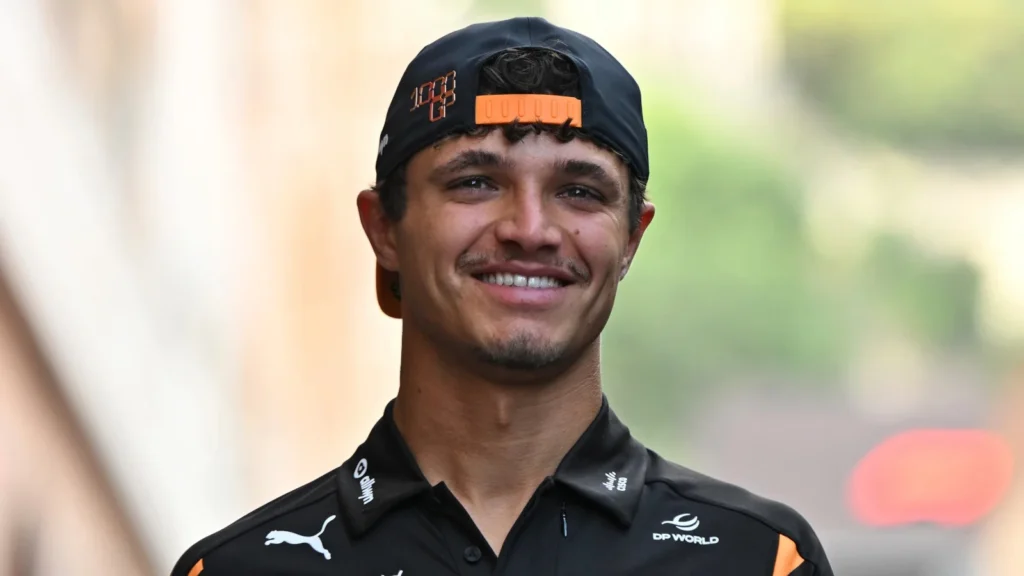
Norris appears to hold some level of scepticism, but also an understanding of how it could work. Believe it or not, I’m not an F1 driver, so I’m happy to bow to Norris’ knowledge. He makes a valid and interesting point: drivers having less time to practice and therefore have less time to find the limit could mean some somewhat inorganic chaos.
All it’s going to take is one or two drivers at the front of the grid to sustain a heavy shunt in practice or one of those qualifying sessions and their weekend is compromised to a degree that is unusually high. Think about it: a Verstappen or Antonelli crash that means a broken gearbox or some other kind of monumental component fix could see him out of kilter, potentially out of qualifying and then has to endure a nightmarish race from the back, whilst a title rival or outside hope can take a win, a podium or points.
I have always been anti-Sprint races since they began. It’s a little bit like my stance on the case for a female James Bond: I am wholly supportive of spy films with a female protagonist, but James Bond should be a man. I don’t hate Sprint races, but I don’t like them in Formula 1.
So maybe this is why I’m sceptical about holding one in Monaco. Maybe it will be just as bad as I expect it to be, but maybe there is method to F1’s madness.
We can’t judge until reality proves either myself or F1 right in what it gives us.
READ MORE – Ex-F1 star implores Madring to make crucial changes after debut race





Discussion about this post