The global football transfer market moves at a pace that rivals international financial trading.
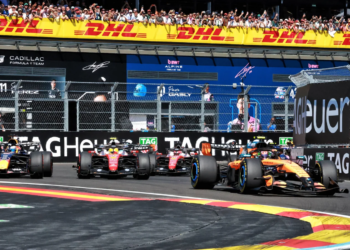
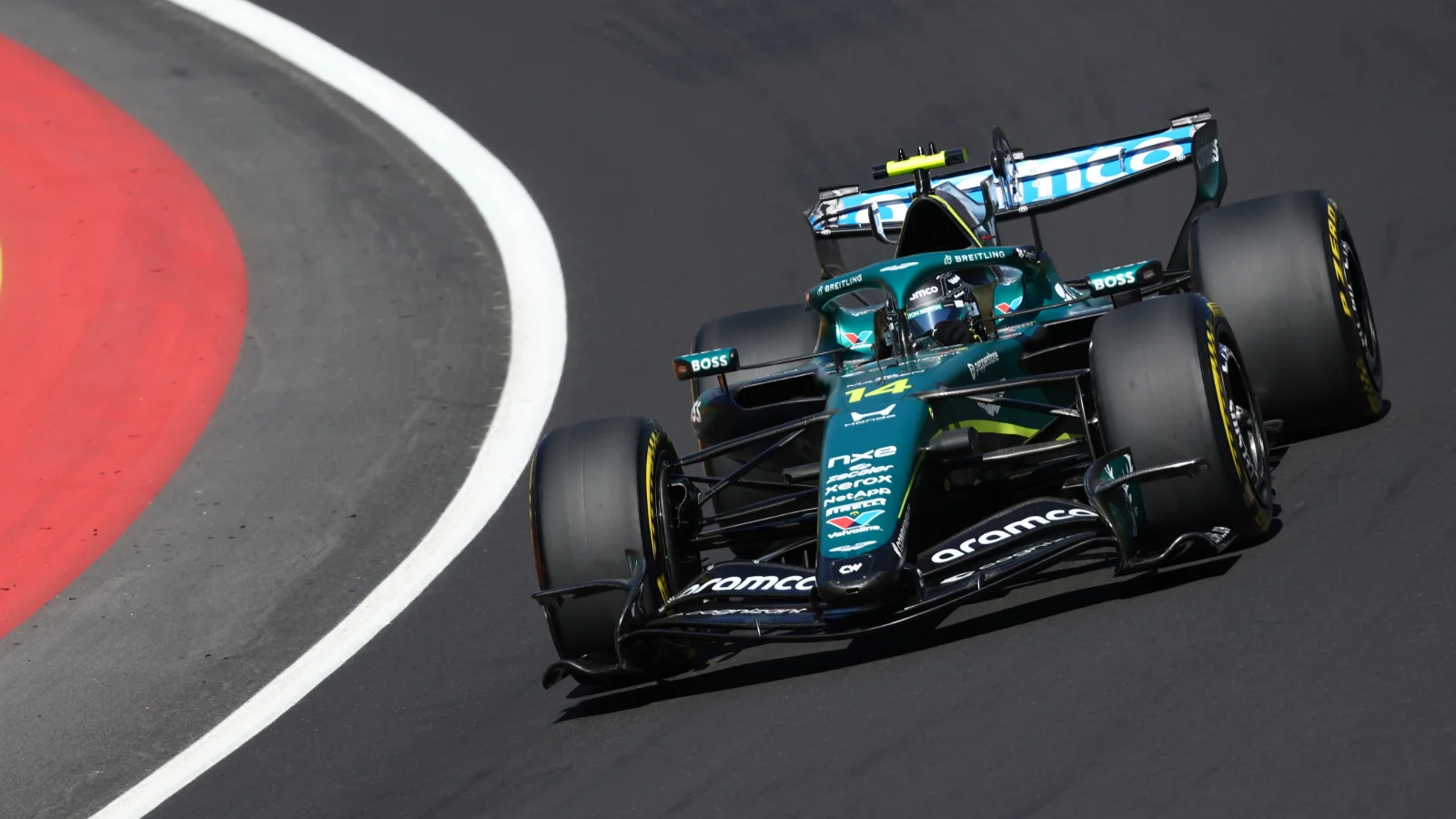
During the summer and winter windows, clubs behave like portfolio managers, agents like brokers, and supporters like day traders — refreshing feeds, decoding cryptic social media posts, and tracking private jets across continents. But football is not the only sport where human talent carries a precise price tag. Formula 1 operates a remarkably similar market, where a driver’s value fluctuates with results, age, commercial appeal, and the number of years left on a contract. The two industries have more in common than most fans realise.
Calculating what an athlete is worth demonstrates the fusion of digital technology, global economics, and human potential. It also creates a challenge for the sports betting industry. Bookmakers and oddsmakers must think like financial analysts, adjusting their championship and match lines constantly based on who is bought, sold, or rumoured to move. One significant signing — or in Formula 1 terms, one shock team announcement — can shift the odds in a title race overnight and create an opportunity to back a market before it corrects itself.
Anyone exploring the sports betting market can find current promotions through a code promo Melbet. Understanding player and driver valuations allows a bettor to read squad strength and anticipate how odds will shift ahead of the market adjusting. The betting industry thrives on this constant cycle of athlete valuation.


The core metrics: What computers and AI see on the pitch and in the cockpit
Player valuation was once dominated by the subjective eye of a veteran scout. Today it has become a precise science. Wealthy football clubs deploy data scientists using sophisticated AI to analyse expected goals, progressive carries, defensive actions, and pass completion under pressure.
This kind of analysis sets a baseline for every footballer. The key input variables analysts use are summarised below:
| Valuation variable | Description of metric | Impact on market price | Analogy in financial trading |
|---|---|---|---|
| Statistical output | Goals, assists, clean sheets, and pass accuracy | High — directly correlates to match-winning ability | The quarterly earnings report of a blue-chip stock |
| Contract duration | Time remaining on the player’s current deal | Critical — a player with six months left is heavily discounted | The expiration date on a high-yield options contract |
| Player age and potential | Current age versus expected physical peak (usually 26–28) | Very high — young players carry massive resale premiums | Investing in an early-stage tech startup prior to an IPO |
| Injury history | Frequency and severity of past physical setbacks | High negative — chronic injuries slash valuation drastically | High-risk corporate debt or volatile junk bonds |
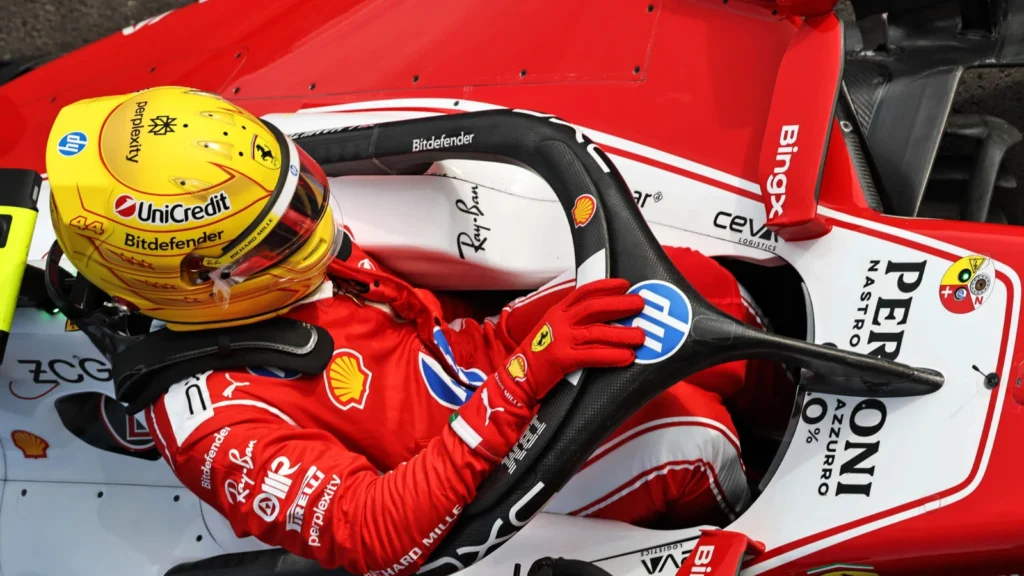
Formula 1 runs an almost identical operation. Teams assess a driver through lap-time consistency, qualifying gaps to team-mate, sector performance, tyre management ratings, and telemetry data that reveals how efficiently a driver uses the car’s energy systems. In both sports, the baseline value of a competitor is now rooted in data rather than reputation — and that data determines the starting point for every contract negotiation.
Age, contract length, and the crypto-like volatility
The biggest factors modifying a footballer’s worth are age and contract situation. A 20-year-old winger scoring ten goals is worth more than a 29-year-old scoring thirty. The buying club pays for upside, development potential, and future resale value.

Formula 1 follows the same logic. A highly rated driver in their mid-twenties with three seasons of data and an upward trajectory commands a premium because teams are not just buying current performance — they are buying years of improvement. When Kimi Antonelli signed with Mercedes ahead of 2026, his market value was only partly about what he had already achieved. The rest was a bet on what the next five seasons might produce.
In this respect, both markets resemble cryptocurrency. Like a breakout altcoin, a driver or player can experience a massive, unexpected surge in value following a single performance on the biggest stage. An Antonelli pole in Monaco or a young striker scoring in a Champions League final can add tens of millions to a market valuation overnight. And just as with crypto, decline can be equally rapid once a competitor crosses into their thirties and teams begin calculating whether they can recoup the investment.
Off-pitch value: Commercial appeal and fan communities
A professional athlete is both a competitor and a marketer. Real Madrid or Mercedes Formula 1 both factor commercial worth into major signings. Social media following, marketability across international markets, and endorsement potential all influence what a club or team will pay above the performance baseline.
A driver with 30 million Instagram followers brings a different commercial package to the paddock than an equally quick driver with 300,000. The same principle applies in football — a player who endorses luxury technology or carries strong brand recognition in growth markets brings the club a new audience worth real money.
Digital communities amplify this effect. The MelBet Facebook Jordan page is one example of how localised fan communities are built around shared sporting interests and betting engagement. Just as a club uses a signing to build community engagement, these digital spaces give fans and punters a localised environment to debate whether a new driver lineup or transfer fee is justified by the numbers — and to act on their view before the wider market catches up.