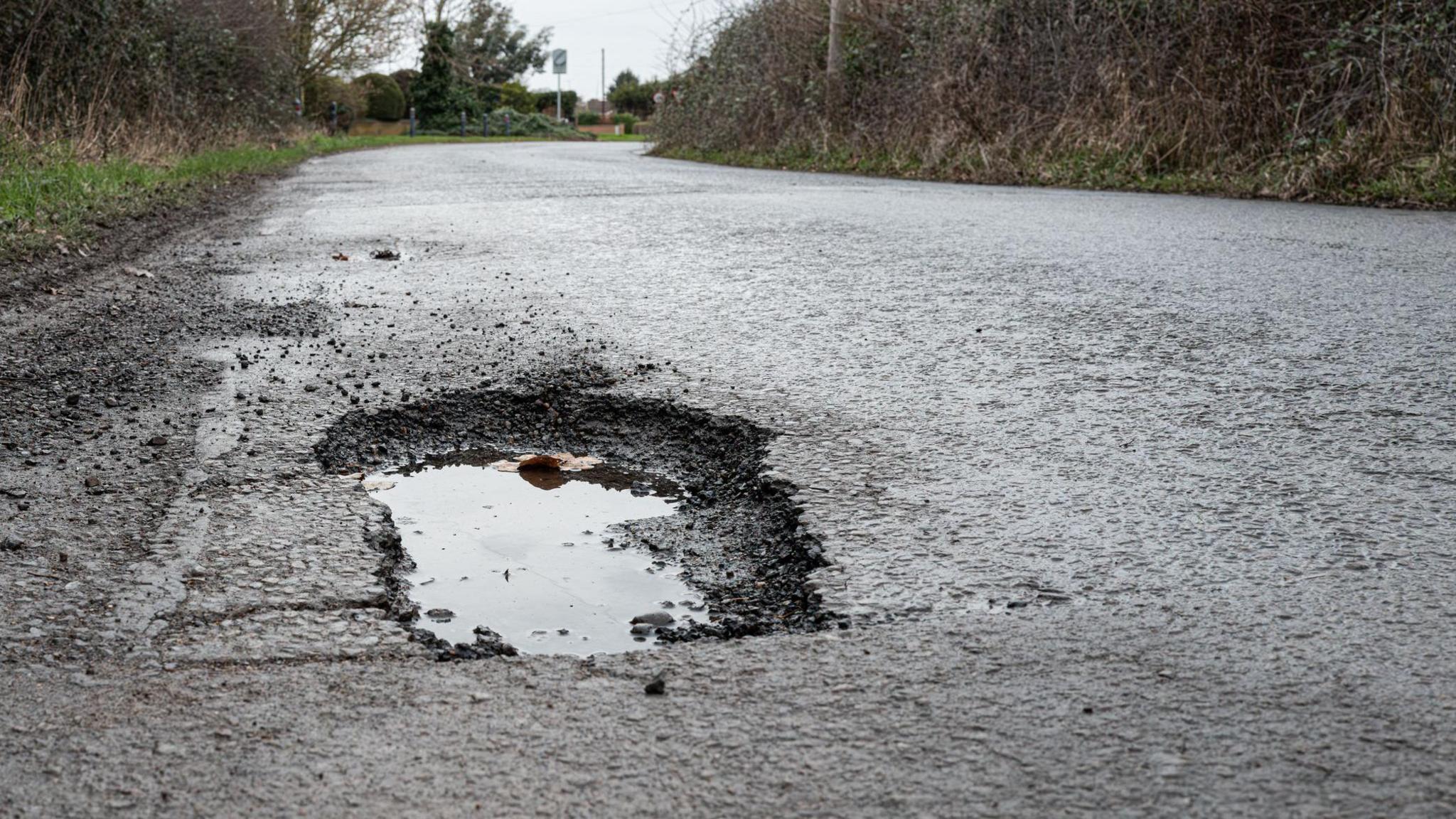
Motorsport fans who run modified or performance road cars already know the roads between the circuit and home can be as punishing as anything on track.
Now, data compiled by Manchester-based modified car specialist Awesome GTI puts hard numbers on what that punishment is actually costing — and the East Midlands emerges as the most expensive region in England for pothole-related damage.
Using Department for Transport road condition data combined with RAC research showing that 29% of drivers reported pothole-related damage over a 12-month period, and an AA average incident cost of £350, Awesome GTI built a modelled cost comparison across English regions. The baseline figure comes out at £101,500 per 1,000 cars across England. The East Midlands sits approximately 52% above that baseline.
The regional breakdown
| Region | Local A roads | B & C roads | Unclassified | Modelled cost per 1,000 cars |
|---|---|---|---|---|
| East Midlands | 9% | 14% | 21% | £154,000 |
| North West | 4% | 7% | 20% | £108,500 |
| South East | 5% | 6% | 20% | £108,500 |
| London | 8% | 9% | 13% | £105,000 |
| Yorkshire and the Humber | 4% | 5% | 19% | £98,000 |
| West Midlands | 3% | 7% | 15% | £87,500 |
| East of England | 5% | 7% | 13% | £87,500 |
| South West | 3% | 8% | 14% | £87,500 |
| North East | 3% | 4% | 14% | £73,500 |
Derbyshire produces the most striking local result within the East Midlands. Some 36% of its unclassified road length required consideration for maintenance, with 29% of local A-road and motorway length flagged for attention. Under the DfT’s separate surface-condition measure, 43% of Derbyshire’s B and C road length was classified Red.
What a single pothole can cost
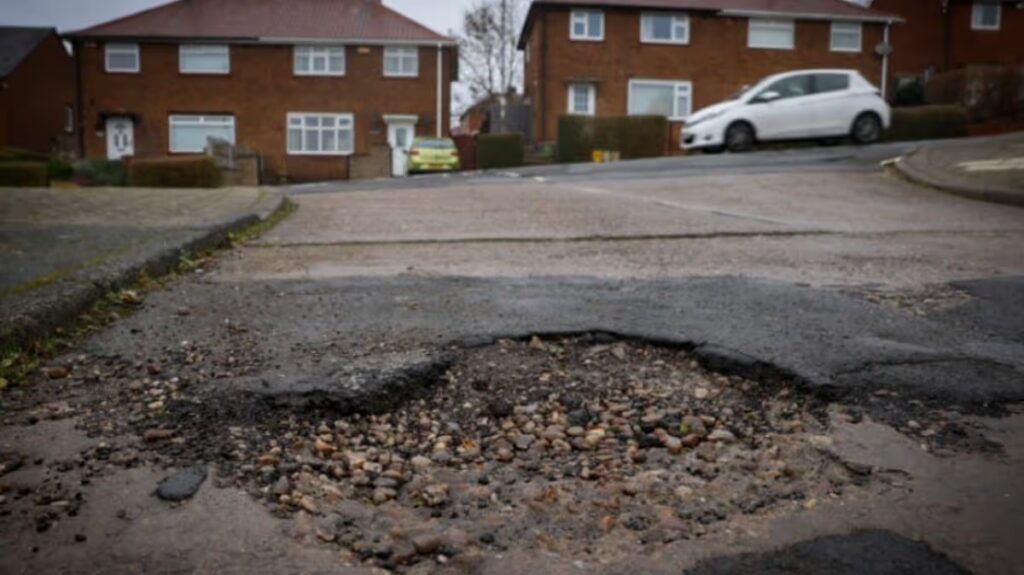
For the kind of performance and modified vehicles favoured by motorsport enthusiasts, the cost exposure is higher than the average figures suggest. Current UK cost guides put standard alloy-wheel refurbishment at around £80 per wheel, rising to approximately £115 for a diamond-cut finish. Front coil-spring replacement averages around £225, while suspension bush replacement can range from a few hundred pounds to well over a thousand depending on the vehicle and extent of the work.
Those figures cover mainstream repair work. A cracked forged wheel, specialist damper, or full coilover component — the kind of parts found on modified performance cars — can cost considerably more.
John Glover, Operations Director at Awesome GTI, explained the particular vulnerability of modified vehicles: “A pothole does not know whether a wheel is factory, diamond-cut or forged, but the repair bill certainly does. Modified-car owners often have less tyre sidewall and less suspension travel protecting the car, while the parts at risk can be substantially more expensive to repair or replace.
“We see the consequences in buckled wheels, split tyres, damaged springs and dampers, and geometry knocked far enough out to cause uneven tyre wear. After a heavy strike, vibration, pulling, a crooked steering wheel or a new knock should never be ignored.”
Advice for performance car owners
Awesome GTI is advising modified car owners to keep tyre pressures correct, avoid stretching tyres beyond appropriate fitment guidance, and inspect wheels and sidewalls after any severe impact. A geometry and suspension check is recommended if the steering begins to pull, vibrate, or sit off-centre after hitting a significant road defect.
Drivers who intend to pursue a claim against the relevant highway authority should photograph the road defect, record its location, and retain all repair invoices.
The figures are a modelled baseline for comparison rather than measured regional losses, and do not include any additional premium for aftermarket or performance parts. Regional road condition data is sourced from DfT tables RDC0121 and RDC0131 (updated January 2026). The 29% damage incidence figure is from the RAC Pothole Index. The £350 average repair cost is from the AA/Pothole Partnership.