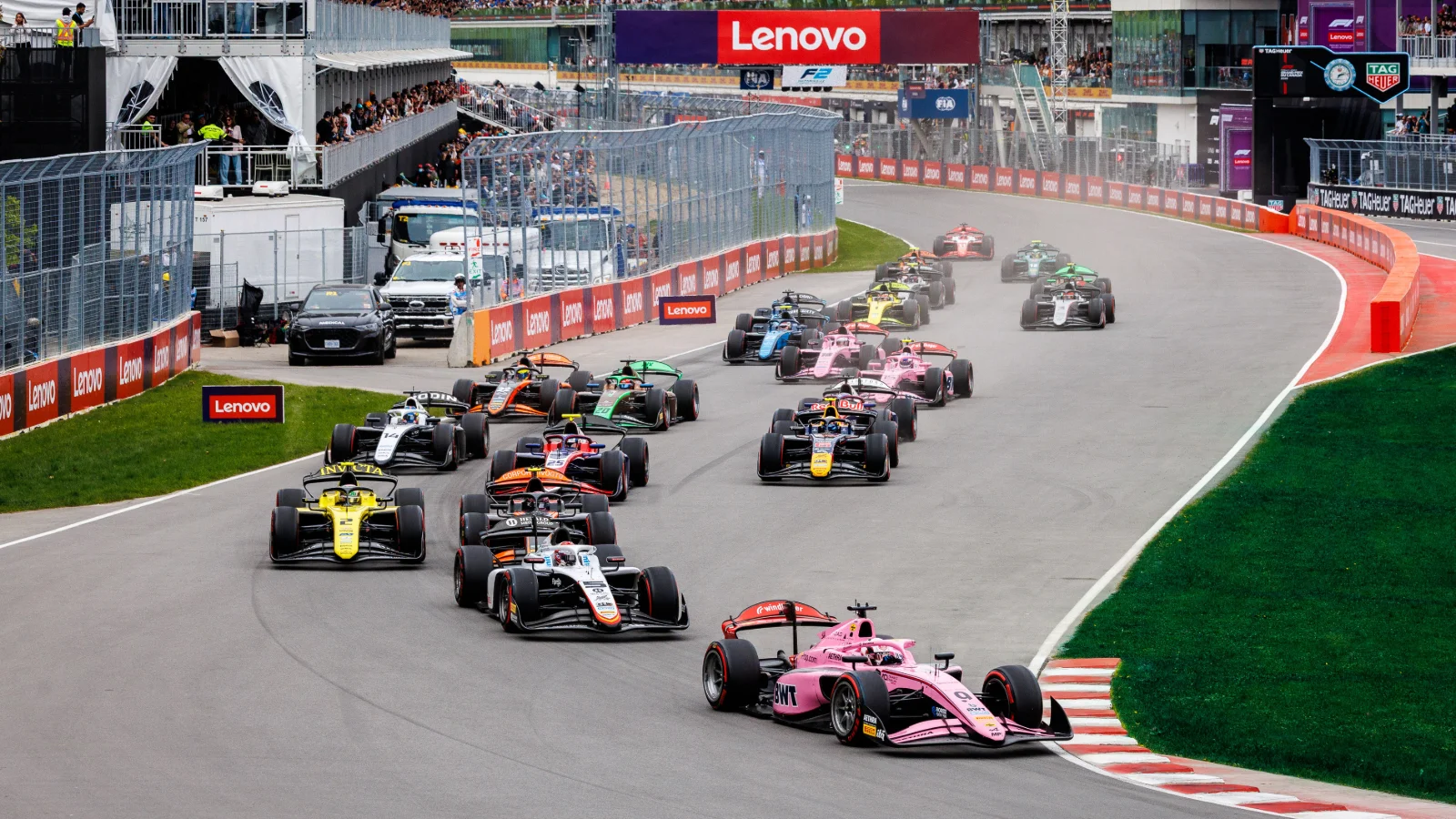
There is a strange mood around modern motoring. On one side, everything is becoming cleaner, quieter, more connected and more controlled by software.
On the other, drivers still get emotional about a perfect gear change, a good road, or the sound of an engine waking up on a cold morning. That tension is what makes today’s transport industry far more interesting than another predictable debate about electric cars versus petrolheads.
The same shift is happening across many digital habits around cars, racing and entertainment. Motorsport fans now follow live timing, fantasy championships, betting odds, onboard cameras, podcasts and even platforms like Casino HEX from the same phone they use to unlock their car or plan a route. The car is no longer just a machine in the driveway. It has become part of a wider connected lifestyle, for better or worse.
The car is becoming a device, but not only a device
Modern vehicles are increasingly sold like smartphones on wheels. They receive updates, track driver behaviour, connect to apps, and sometimes hide useful features behind subscription menus. Heated seats as a service still sounds like a joke someone made in a pub, except several manufacturers seem determined to prove the joke has a business model.


Yet the emotional side of driving refuses to disappear. People do not talk about their favourite laptop the way they talk about a Mazda MX-5, a Porsche 911, a Ford Mustang, or even an old family hatchback that somehow survived three owners and one suspicious MOT. Transport is practical, but cars carry memory, identity, and a small amount of irrational loyalty.
That is why the future of mobility will not be shaped only by efficiency. It will also depend on whether new vehicles can still feel personal.
Electric cars are winning the logic argument
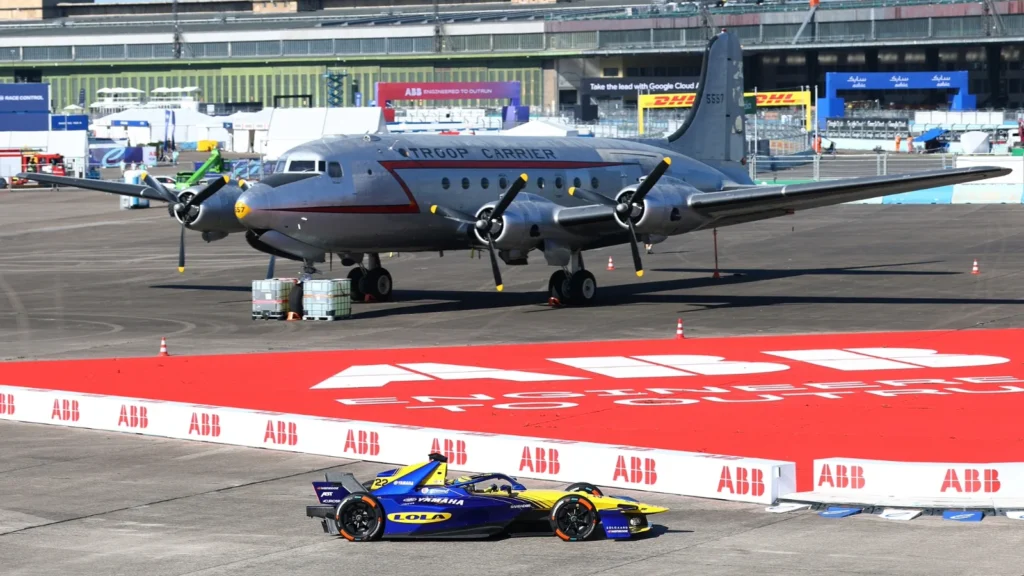
From a pure transport perspective, electric cars make plenty of sense. They are smooth in traffic, quiet in cities, cheaper to run in many markets, and brutally quick when manufacturers decide that the school run needs supercar acceleration. For daily driving, the EV argument is getting harder to dismiss.
The strongest advantages are clear: lower local emissions in urban areas, fewer moving parts compared with combustion engines, instant torque and smooth acceleration, and better integration with digital navigation and charging apps.
The problem is not usually the car itself. It is the ecosystem around it. Charging access, energy prices, battery supply chains, and long-distance convenience still vary wildly depending on where someone lives. In a city with private parking and good infrastructure, an EV can feel like the obvious answer. In a rural area with patchy chargers, it can feel like homework with wheels.
Automation will help, but drivers still want control
Driver assistance systems have improved enormously, especially on motorways. Adaptive cruise control, lane assistance, blind-spot monitoring and automatic emergency braking are no longer exotic technologies — they are gradually becoming standard, which is good news for safety and bad news for anyone who still thinks “I don’t need electronics” is a personality.
Full automation remains a much more complicated promise, however. Roads are messy. People are unpredictable. Weather is rude. Road markings disappear exactly when you need them. A human driver can read a cyclist’s hesitation, a pedestrian’s body language, or the universal hand gesture meaning “I know I parked badly, please don’t judge me.” Machines are learning, but they are not magic.
The likely future is not a sudden handover to robot chauffeurs. It is a slower blend of human control and machine support.
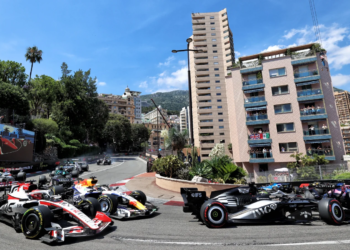
Motorsport still matters in a cleaner transport world
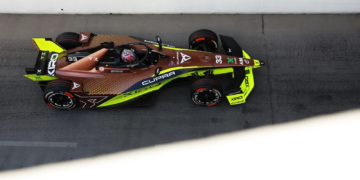
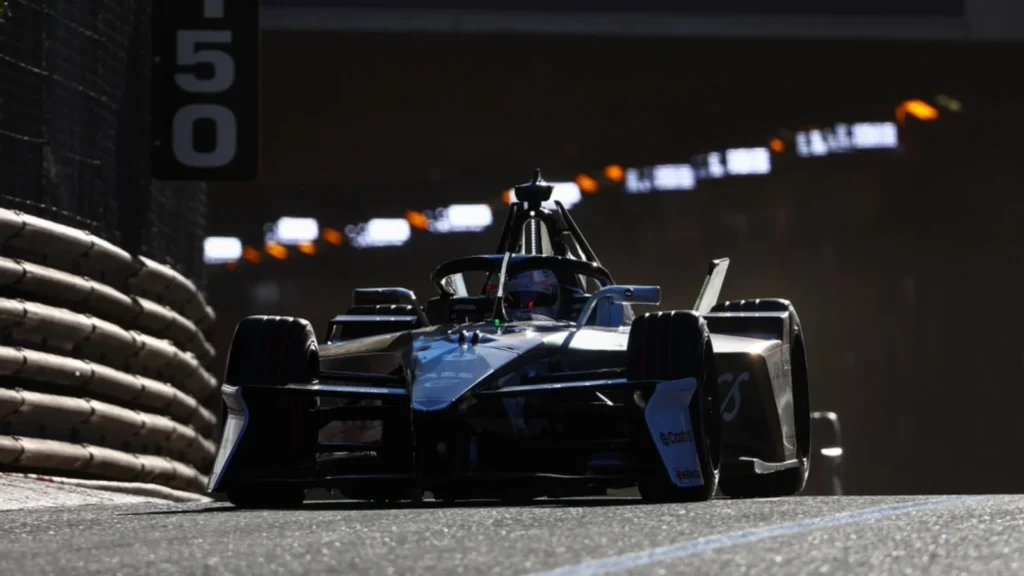
Some people assume that as road cars become cleaner and quieter, motorsport will become less relevant. That misses the point entirely. Racing has always been a laboratory for stress-testing ideas under pressure. Aerodynamics, tyre technology, hybrid systems, lightweight materials, braking efficiency and data analysis all carry direct or indirect influence well beyond the circuit.
Motorsport also gives the transport world something spreadsheets cannot: drama. A car industry built only around range figures and charging curves would be technically impressive and emotionally dead. Racing keeps the mechanical imagination alive, even as the technology underneath it changes.
What drivers will actually care about next
The next generation of transport will not be decided by one technology alone. Drivers will judge new vehicles by a mix of practical and emotional factors: whether they can afford to buy and run it, whether charging or refuelling works without planning a whole day around it, whether the software helps rather than annoys, whether it feels safe without feeling overprotective, and whether it still makes them want to drive.
That last question matters more than many executives admit. People accept change faster when it improves the experience rather than simply replacing it.
Final thoughts
The future of transport will be electric, connected, partially automated and probably full of screens nobody asked for. But it will not be purely clinical. Drivers still want character. They want convenience, but not boredom. They want technology, but not a rolling terms-and-conditions agreement.
The best cars of the next decade will not be the ones that shout the loudest about innovation. They will be the ones that make modern mobility feel effortless without removing the simple pleasure of being behind the wheel.