
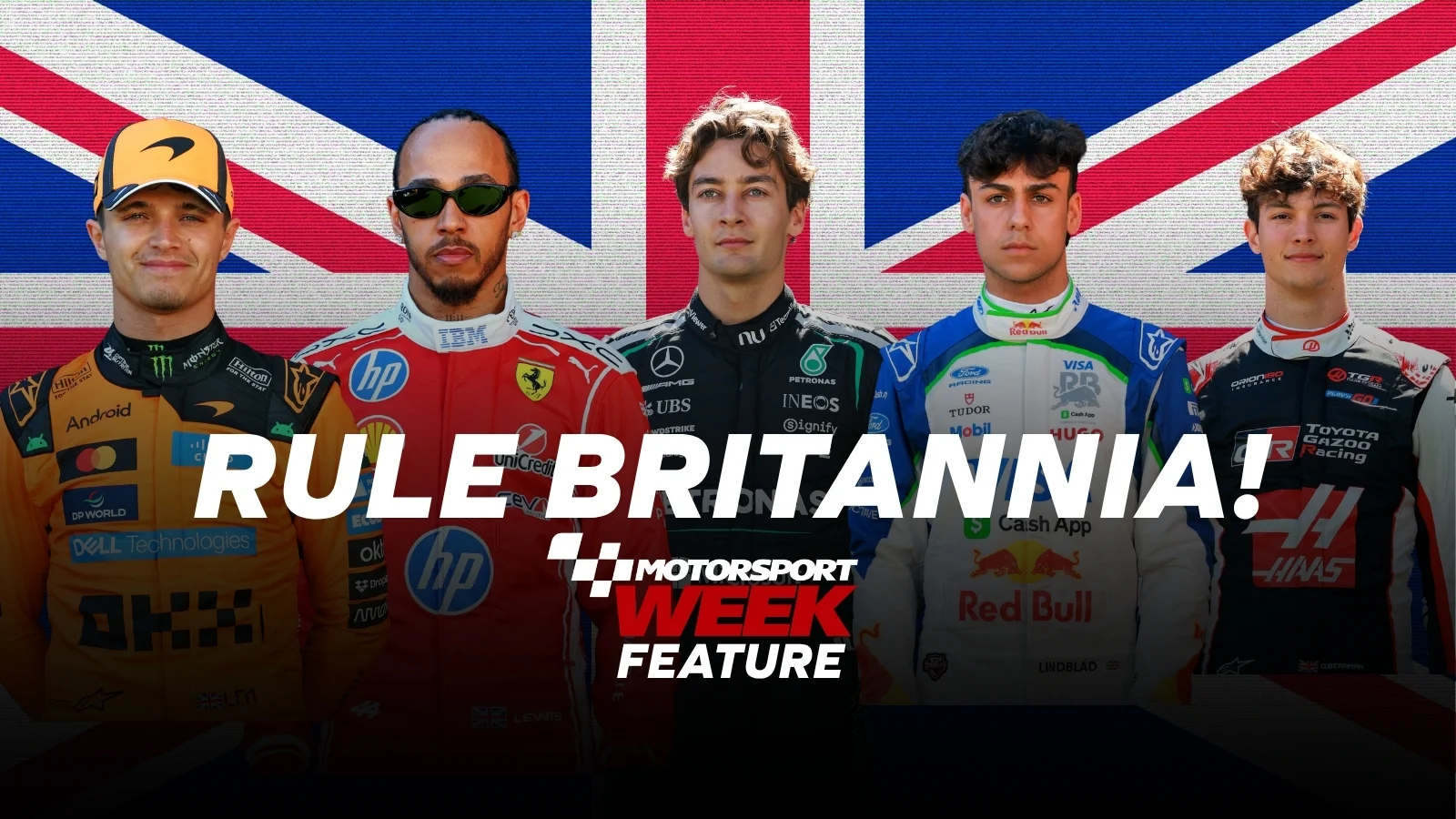
Motorsport Week’s Editor, Jack Oliver Smith, and Deputy Editor, James Phillips, examine the United Kingdom’s constant production of young talent in motor-racing.
Britain gets a bad rep in most parts of the world, and to be honest, it’s not hard to see why. We have a history littered with controversy, are proud of our famous stiff upper lips, and claim to have the best tea on the globe. Do not question a Brit about what tea is best or you’ll end up in a slanging match for a fortnight.
Then of course there’s queuing. We love to do it, and yet we complain about it, a complete contrast in terms. But we will queue and suffer a terrible cup of tea if the end result is something worth doing or watching. And at Silverstone, surviving being sent the wrong way and queuing in your car to do more than five feet is one hundred per cent worth it to view the British contingent race at their home circuit.
At present, British Motorsport is in excellent health. We have a reigning World Champion, a seven-time championship winner, a current championship contender and two promising young guns on the F1 grid. Fans are not short of drivers to cheer for. In F1 Academy, we have no fewer than five drivers on the grid, which is vital as we continue to promote women and girls in Motorsport. Megan Bruce, Ella Lloyd, Alisha Palmowski, Rachel Robertson and Ella Stevens all have bright futures ahead of them.

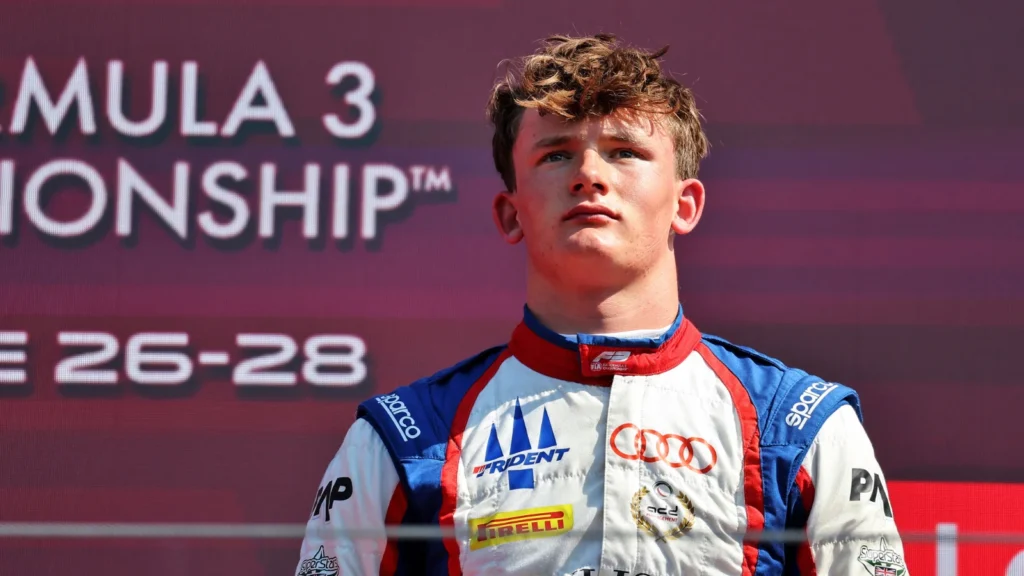
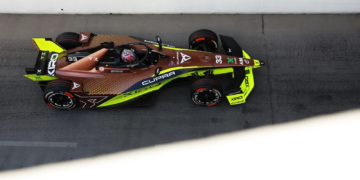
The same can be said in the junior formulas. Freddie Slater is lighting up Formula 3, a seat in F1 looking increasingly likely by the hour, aided by his role within the Audi setup, and in Formula E, we have the brash but loveable rogue Dan Ticktum, the epic, raw pace of Taylor Barnard, a previous champion – and current title contender – in Jake Dennis, and reigning World Champion, Oliver Rowland.
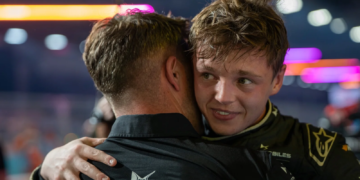
In fact, Rowland himself has been a pivotal figure in promoting young talent, having nurtured rookie F1 star Arvid Lindblad since the Racing Bulls driver was seven-years-old, and also had Barnard in his now-defunct karting team.
Last year, Formula E secured an unprecedented result for Britain to boast about, with Rowland leading a 1-2-3-4 in Jeddah, with Barnard and Dennis second and fourth, respectively, sandwiching Jake Hughes in third, and speaking to Motorsport Week after that race, Rowland summarised the UK’s current prominence for talent.
“Britain is generally spoilt for drivers,” he said. “You look in Formula 1, you look in Formula E, WEC, wherever, we have such a good grassroots karting that we really teach the kids very well and they’re able to perform.”
Rectifying a historic wrong
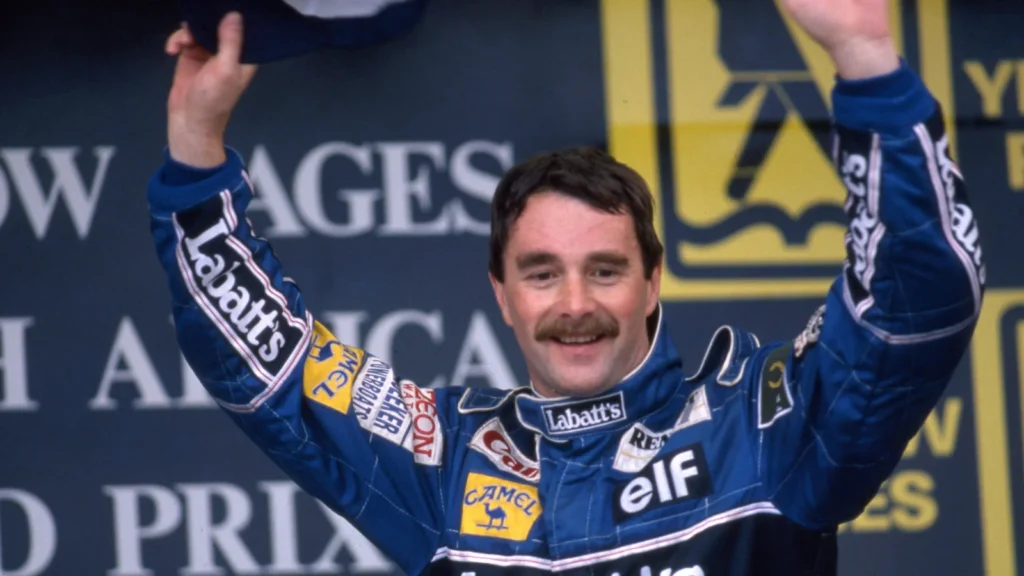
But it hasn’t always been like this. Not that long ago, Britain endured a chasm of talent, caused by borderline criminal neglect. Wind back to the 1990s and early 2000s, very few British names existed in F1 other than Nigel Mansell, Damon Hill, Martin Brundle, David Coulthard and Jenson Button. The former and the latter are the only world champions in that list.
In fact, Mansell’s 1992 World Championship triumph was the first for a British driver in 16 years, with James Hunt having been the last to take glory in the thrilling Rush-depicted 1976 season.
It is, of course, important to note that the world was a very different place during this period, but other countries had begun to foster talent and get it on the grid. For some countries, it was quite literally the only way, given Europe’s dominance in producing drivers. But Britain, for some reason, fell dramatically behind. But when the facts and political backdrop are examined, it makes complete sense. Silverstone may be a staple of the calendar today, but back in the early 2000s, its future was about as assured as a paper door and an ice cream truck jingle as a car alarm.
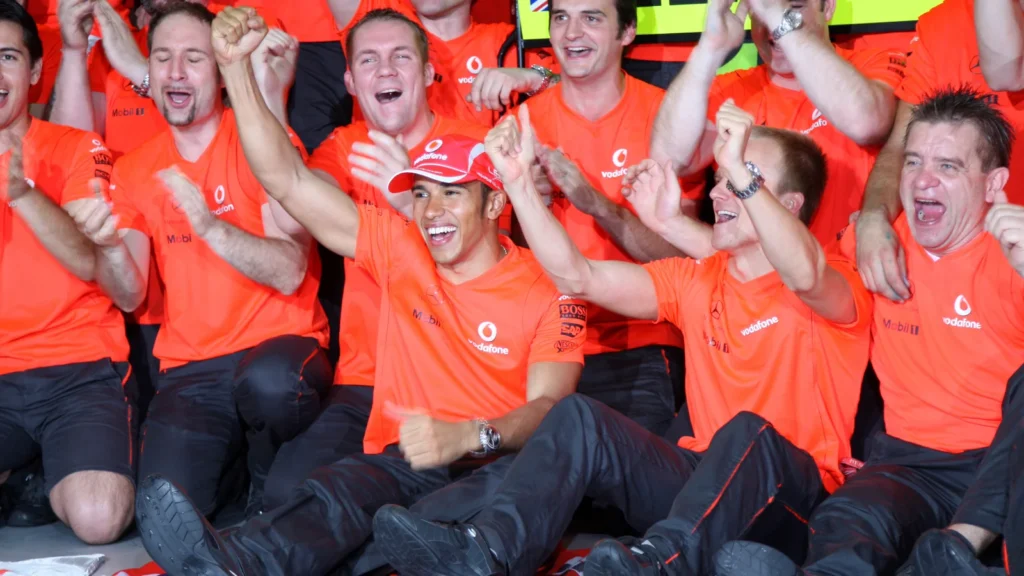
As a result, talent scouting and nurturing became somewhat of a secondary consideration. So the responsibility cascaded down to the teams, with the likes of Lewis Hamilton amongst the first to be entered into driver academies and trained by the pinnacle of motorsport.
From a business standpoint, it plugged a gap in the market to be exploited. But from a heritage and motorsport longevity perspective, producing the next generation of drivers is crucial.
It stands to reason that, sometimes, one cemented figure can make all the difference. There’s no doubt that Mansell, Hill, Button, Hamilton et al helped encourage the next generation of their eras to beg their Mums and Dads for a go-kart and begin their journey.
The Premier League is the biggest in world football, and kids naturally want to emulate a whole bunch of different players, ensuring a constant continuity of children wanting to take up the game. In tennis, a plethora of young British players are now making appearances in grand slam tournaments, many of which were surely hero-worshippers of Andy Murray, who broke the mould in many ways, as a grand slam-winner – something British players had seldom achieved for decades.
Motor-racing is very much an outlier to some extent. We all need money to progress – kids need football boots, tennis rackets, a new set of golf clubs etc. But in racing, money talks, and it talks big.
You need millions once your acne-laced, adolescent son or daughter has barely planted their backsides in a single-seater car for the first time. Esteban Ocon’s parents, for example, sold their house and began to live in their little motorhome that they took their son to races in, and the now one-time Grand Prix-winner and Haas driver was achingly close to applying to work in McDonald’s, as, for one fleeting moment, it looked as if he would not make it, despite those sacrifices.
Thankfully, a hero has arrived in the shape of former Ferrari race engineer Rob Smedley, who helped create the FAT Karting League, which is giving children, and their parents, the chance to race karts to a high standard at a fraction of the price, ensuring a more wallet-friendly beginning to their journey on the motorsport pathway.
On motorsportweek.com tomorrow, you will find an in-depth interview with Smedley about the league, and how it has managed to achieve what it has already.
It is a genuinely key element to help keep Great Britain as one of the big motorsport epicentres of the world.
READ MORE – Meet F1’s tiniest Team Principal: George Norris




Discussion about this post