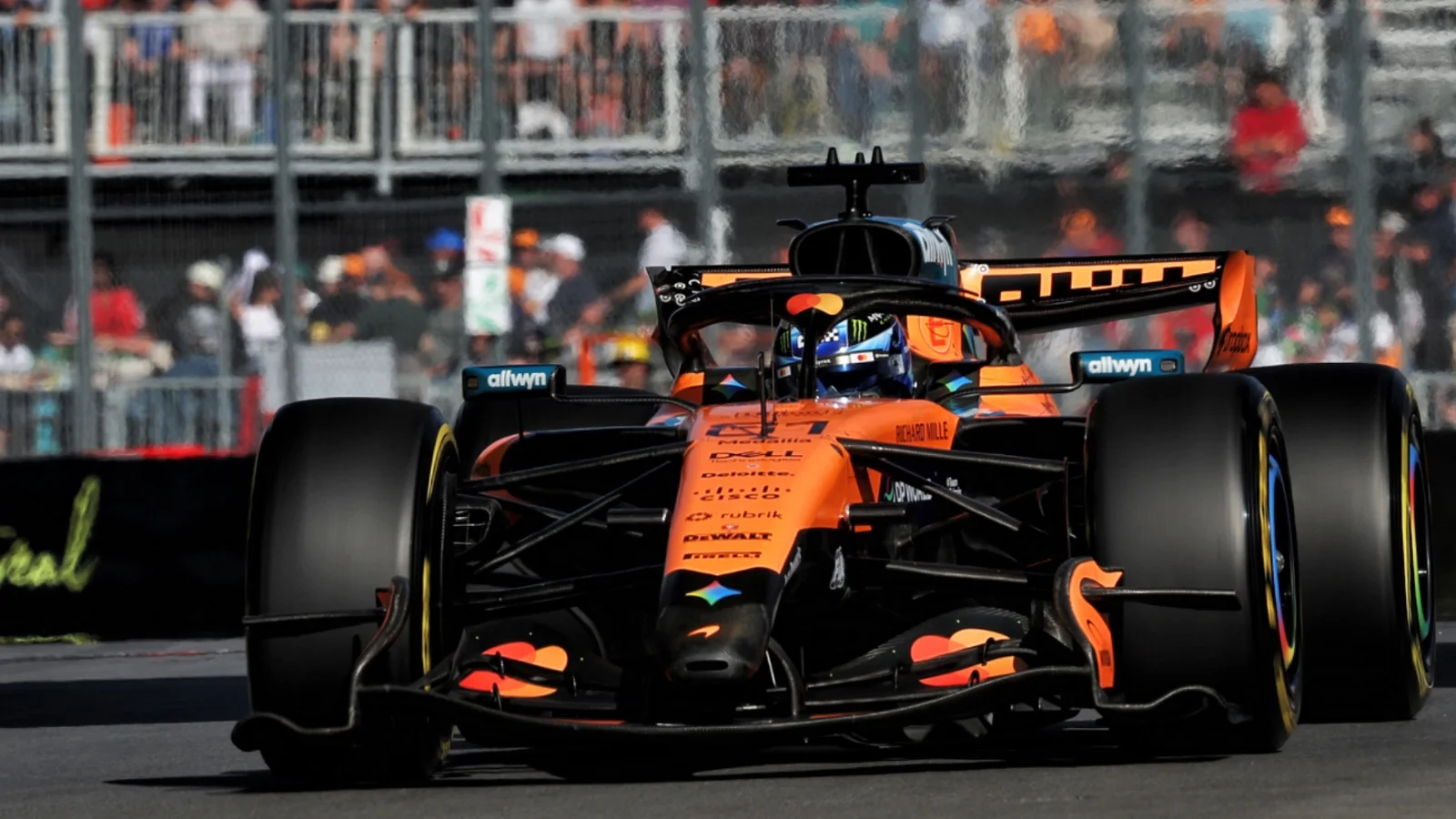
For many decades, motorsport has been a popular sport for bettors around the world. In comparison to most other sports, it has always provided a wealth of betting options across varying championships, with odds that shift according to qualifying results, weather conditions, strategy and driver performance.
Over the years, racing became much more than speed and competition — motorsport has transformed into a major entertainment industry attracting millions of spectators worldwide, and the betting market around it has grown accordingly.
Open-wheel racing series
Open-wheel racing is probably the first format that comes to mind whenever someone mentions motorsport. It is a high-level discipline that includes some of the best-known championships, among them Formula 1 and the IndyCar Series.
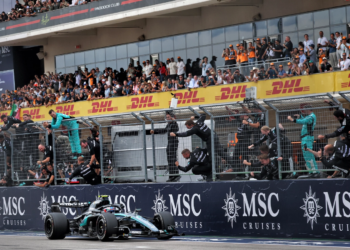
The name comes from the design of the cars themselves — open cockpits, single seats and exposed wheels. Although Formula 1 and IndyCar share similarities, they are quite different in character. Formula 1 is defined by rapid technological development and intense manufacturer rivalry, whereas IndyCar is associated with unpredictability, combining oval and road racing circuits in a way that regularly produces dramatic results.


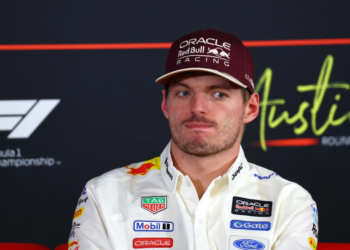
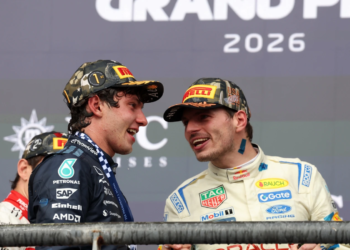
Formula 1 in particular has seen significant growth in its global audience in recent years, attracting a new generation of fans from across the world. The betting market around it has expanded in step — beyond the race winner, bettors can now wager on pole positions, podium finishes, driver head-to-heads and a wide range of in-race events throughout a grand prix weekend.
Formula E
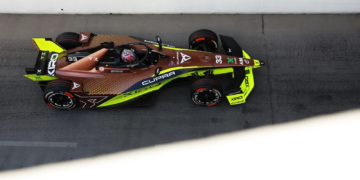
Another championship with a growing following is Formula E, the all-electric single-seater series founded by a group of former Formula 1 figures with the aim of demonstrating the performance potential of electric vehicles in a competitive racing environment.
In its early seasons, battery technology required drivers to switch cars mid-race. That limitation has long since been resolved, and modern Formula E racing is defined by sophisticated energy management strategy and tactical driving that rewards both mechanical and mental precision.
Formula E races take place exclusively on temporary street circuits, which tend to be narrower and more technically demanding than permanent tracks. That unpredictability is part of the appeal for fans and bettors alike, even if the championship has yet to match Formula One in terms of global reach.
Sports car and endurance racing
Sports car racing is one of the most compelling formats in motorsport, drawing in the biggest names in the automotive industry. Ferrari, Porsche, Lamborghini, BMW, Aston Martin, Chevrolet and Toyota are all represented at the top level of the current endurance calendar.
Landmark events such as the 24 Hours of Le Mans and the 24 Hours of Daytona attract enormous global audiences each year. Unlike sprint races concluded in under two hours, endurance events can run for an entire day, with outcomes shaped by driver changes, tyre strategy, pit stop timing, weather and mechanical reliability.
That complexity creates a rich betting environment, with the potential for dramatic shifts in the running order right through to the final hour.
GT racing series
GT racing has grown significantly in popularity over recent years, partly through the rise of the GT3 category, which has opened competition to a broader range of manufacturers and drawn in both professional and amateur drivers competing within the same field.
GT racing cars are based on production sports cars that undergo extensive modification for circuit competition, meaning they retain a tangible connection to the road cars many fans already know. That accessibility, combined with closely fought grids, makes GT events particularly well suited to betting markets — a point recognised by platforms such as offshore betting sites with the best payouts, which offer an extensive range of GT racing options for bettors.
Touring car championships
Touring car racing commands strong followings in Europe and Australia in particular, with championships including the British Touring Car Championship, the Supercars Championship and the Deutsche Tourenwagen Masters drawing millions of viewers each season.
Like GT racing, touring car machinery is derived from production vehicles, which helps fans connect with what they are watching. Racing is typically aggressive, with close battles and incident-rich events that keep outcomes uncertain until the final lap.
The variety of formats across different touring car championships — from short sprint races to longer endurance formats — creates a range of betting opportunities, and familiarity with the championships and their regular competitors can be a genuine advantage when making decisions.
A sport built for betting
Motorsport continues to attract new audiences year on year. Few other sports offer the same diversity of championship formats, machinery and strategic variables. Formula 1 remains the most recognised series in the world, while endurance and GT racing are drawing increasing interest from fans seeking something beyond the standard grand prix weekend.
Across all of these disciplines, the combination of technical complexity, strategic depth and genuine unpredictability makes motorsport one of the most engaging sports for anyone looking for more than a straightforward result to wager on.