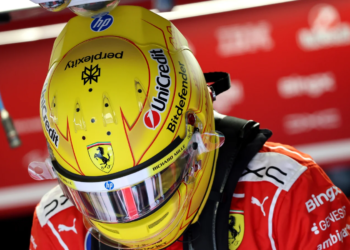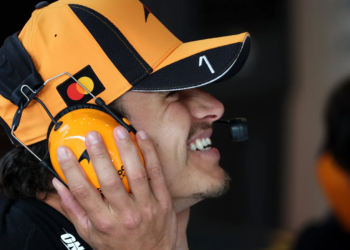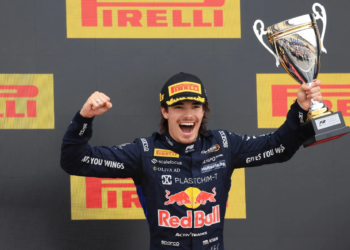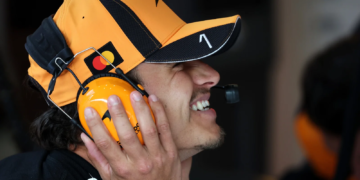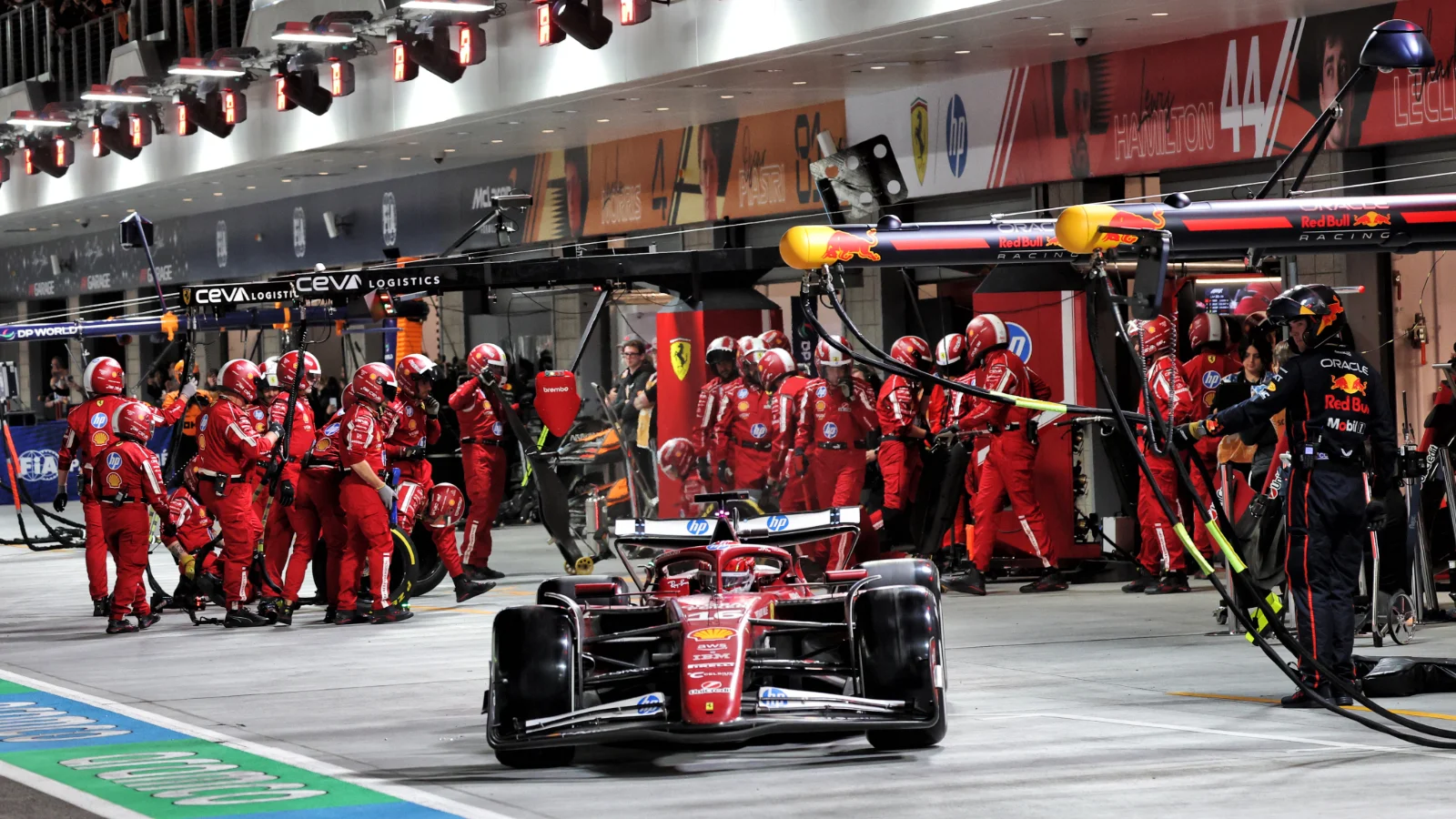
Motorsport lives in those razor-thin margins — the ghost of a tyre width separating glory from a shattered chassis.
Now consider that same blur of calculation under the felt of a green baize table. It is not a stretch.
The psychological furnace of a grand prix pit wall mirrors the fragmented seconds where a player commits to hit or stand against a dealer’s masked card. Machines decelerate from 320 kilometres an hour while human brains race through decimal arithmetic, and somehow, we expect both to happen without fracture.
Somewhere in that overlap lives a truth about risk management and nerve. If you want to experience that controlled chaos from a quiet room, you might look toward live blackjack online Australia. The dealer flips, the cards come alive.
Four lessons in adrenaline and calculation
Top-tier F1 pit crews in 2025 averaged sub-2.3 second tyre changes at the Australian Grand Prix, yet 67% admitted momentary hesitation costs more time than physical error. In standard rules play for virtual blackjack, delayed decisions reduce observational gains by nearly a full percent against the house advantage.
Research from the University of Michigan Behavioral Simulation Lab found motor racing professionals exposed to high-stress stimuli increased split-decision accuracy by 34% over amateurs when multiple bets appeared simultaneously on screen. The trained eye filters noise without flailing.
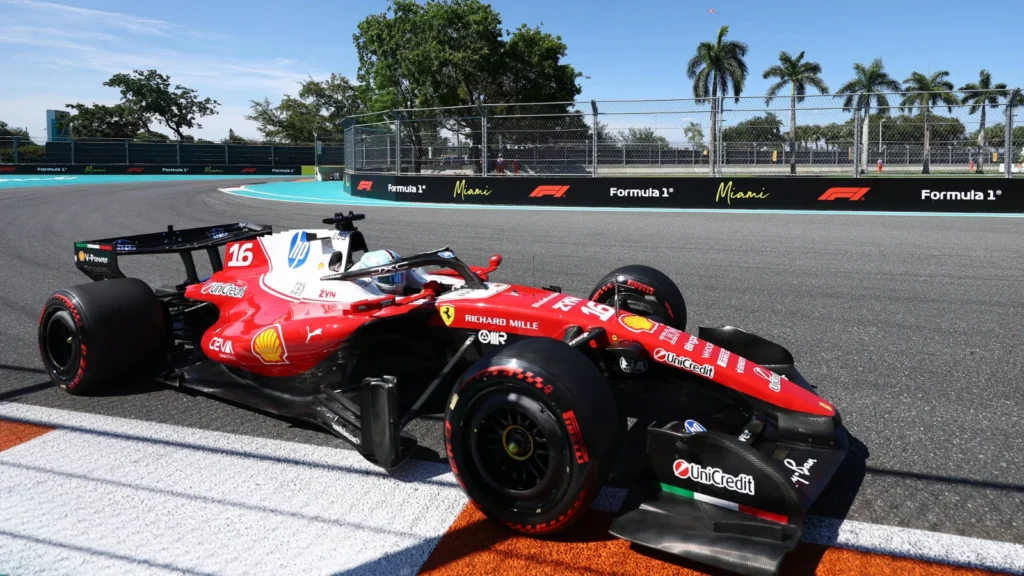
Blackjack tracking software analysis, reported by industry observer CasinoReviewsOnline in early 2026, revealed that players maintaining racing-like approach discipline stood 18% closer to optimal theoretical action than recreational gamblers playing with emotional variation.
A recent internal study at Unibet in February 2025 recorded that blackjack sessions exceeding 40 successive minutes see attention degradation comparable to a driver approaching the final lap of a 40-lap sprint. Human biology punishes endurance without pit-stop pacing.
The overlay is not a cutesy metaphor — it’s neural calculus.
How race engineers decode risk
There is actually less mayhem in professional paddocks than people assume. Race engineers spend weekends correlating gigabytes of telemetry against lap times, adjusting engine mapping, fuel loads, and brake bias three turns before a driver even complains about understeer.
Casino mechanics operate in comparable logic; the rulebook never changes, and standard deviation hovers always. You simply read probability the way an engineer reads tyre degradation windows.
Consider the subtle advantage that arrives in understanding mathematical patterns: using bonuses to extend bankroll discipline without deviating from sound money management. Not free money — reserved firepower. Treat a cash injection like an additional pit-stop allocation. Use it when the signal is strong, not when variance hisses.
Jackpots, the dreaming part of the experience? Like edging a drivers’ championship by eight points after inheriting a rival’s retirement. They exist, but you chase them after a structured foundation is in place, not as the method itself.
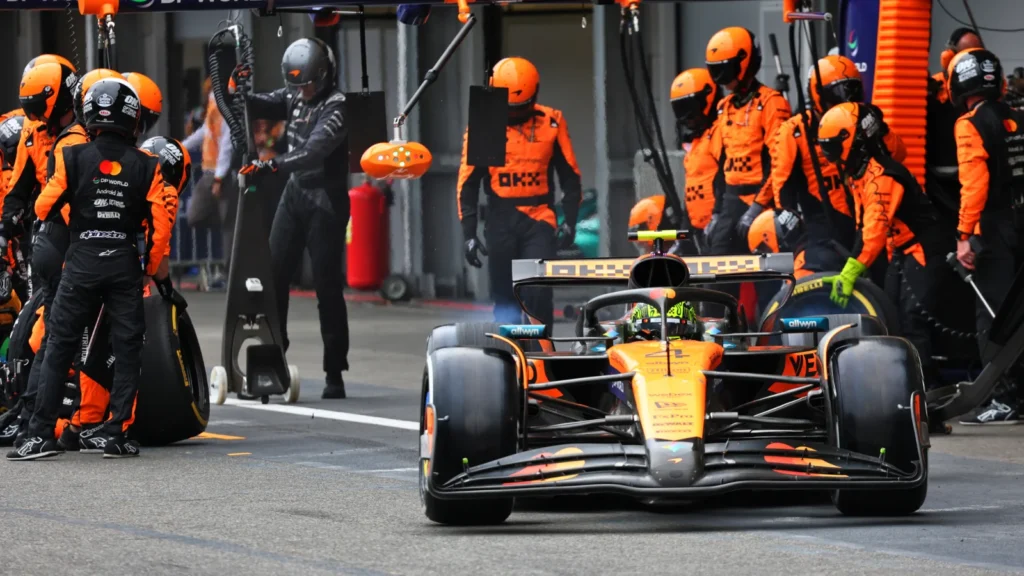
The distinction worth drawing is between emotion and nerve. The great racers understood it. Senna cried in interviews but turned silence into telepathic control of a difficult chassis through blinding spray.
Stopping at the chequered flag: The art of withdrawal
Nothing ruins a bankroll faster than staying in after a winning streak. Every top-level driver knows the extraction procedure — re-entry logic, when to box, when to pull away. They forecast fuel levels before the formation lap. You must decide your exit point before clicking any bet acceptance.
A clear pattern emerges when you tie these worlds together: observe, adjust, suppress the impulse when instinct misleads. The table does not negotiate luck. Efficiency buries wild impulse.
From 180mph accelerations at Albert Park to stationary digits on a home screen, the logic is the same. Know when the race is run.