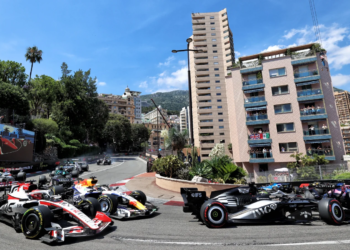
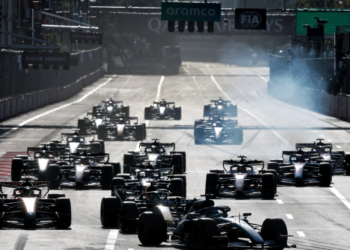
The digital arena for high-stakes entertainment is no longer confined to a single track or table. Two distinct worlds, each built on precision, adrenaline, and split-second timing, now share a common technological backbone.
Whether you’re watching a car take the final chicane at Monaco or a dealer reveal the river card, the experience is powered by the same relentless drive for flawless, real-time transmission.
For fans of instant action, this synergy extends to digital platforms offering real money online pokies at Rocket Play, where the rapid-fire spin of reels mirrors the pace of a pit stop. The technology delivering these thrills is a fascinating, high-octane story.
Key Facts
Before exploring the intricate details, consider these foundational statistics that underscore the scale and ambition of this technological convergence.

- In 2026, the global live streaming market is projected to reach a staggering $330.51 billion, with interactive gaming and sports being primary growth drivers.
- Latency for professional live casino streams is now routinely under 500 milliseconds, a benchmark once exclusive to top-tier sports broadcasts.
- Over 70% of major racing series, including Formula 1, now utilize over 300 data points per car, streamed live, to power interactive fan experiences and betting markets.
- The first 4K HDR live casino studio launched in 2022, requiring a bandwidth 4x greater than a standard HD Formula 1 broadcast.
- By 2025, an estimated 40% of new interactive entertainment platforms will employ some form of AI-powered camera tracking, borrowed directly from automated sports production.
- A single professional live dealer studio can generate over 1 terabyte of raw footage per day, comparable to the data load of a full Grand Prix weekend.
The pit lane of data transmission
Think of a live casino table or a racetrack as a pit lane of raw data. Multiple camera angles, audio feeds, sensor data, and graphical overlays must be synchronized and dispatched without a hiccup.
The core technology here is low-latency streaming protocols like WebRTC and SRT. These aren’t your standard YouTube streams; they are engineered for immediacy. A half-second delay in a live blackjack hand or at the start lights is an eternity.
This demand for speed directly mirrors the technical analysis on sites like MotorsportWeek.com, where real-time telemetry – brake pressure, throttle input, G-forces – is the lifeblood of the fan experience.
The same principle applies to live slots, where the random number generator’s outcome must be displayed instantly, creating a seamless loop of action and reaction.
Fibre optics: The unsung champion
Beneath the glamour of the broadcast lies a network of optical fibre cables, the true workhorses of streaming. These glass threads, carrying pulses of light and form the global nervous system.
When you interact with a live dealer or watch an onboard camera, your command travels at nearly 200,000 kilometres per second through this network. The reliability required to keep it all running is immense.
Formula 1’s broadcasting partnership with Tata Communications, for instance, manages a dedicated global fibre network that must perform with 99.999% uptime – a standard now expected by premium online casinos hosting live tournaments.
A dropped frame during a crucial bonus round or a final lap is simply unacceptable. This infrastructure is the invisible track upon which all digital speed is achieved.
Where interaction meets immersion
Technology’s ultimate goal is to dissolve the screen. In racing, this means fan-controlled camera angles, live predictive data on overtaking chances, and immersive audio from team radio.
In the casino sphere, it translates to multi-camera views that let you zoom on the roulette wheel, interactive chat with the dealer, and instant access to game history. The convergence is clear: both industries leverage real-time data rendering to create a participatory spectacle.
You’re not just watching; you’re in the command center. This level of immersion boosts engagement, whether you’re analysing tire strategies or strategizing your next move at the blackjack table.
The jackpot moment in a progressive slots game, with its escalating tension, is engineered for the same emotional payoff as a last-lap overtake for the win.
The human element in a digital frame
Despite the automation, the human touch remains irreplaceable. A seasoned live casino presenter requires the sharp reflexes and engaging banter of a veteran motorsports commentator.
They manage the flow, build suspense, and connect with a global audience – all while being directed via an earpiece from a control room that wouldn’t look out of place at a Sky Sports F1 broadcast.
Camera operators, trained in both cinematic technique and the rules of the game, must anticipate action. Will the player split their aces? Will the safety car come out? This anticipatory skill is crucial.
It’s a performance under pressure, a blend of art and technical precision that no algorithm can fully replicate. The dealer’s shuffle, the croupier’s spin – these are the human rituals that the technology frames and amplifies.
The parallel evolution of live casino and racing broadcast tech is no coincidence. Both are engineered spectacles of chance and skill, demanding flawless execution behind the scenes. They cater to an audience that craves authenticity, immediacy, and a front-row seat to unpredictable outcomes.
From the fibre-optic cables that carry the signal to the low-latency protocols that ensure its speed, the infrastructure is a marvel of modern engineering. This technological race never ends, constantly pushing for higher definition, lower delay, and deeper interaction. The finish line is a perfect, real-time connection – and we’re getting closer every day.