
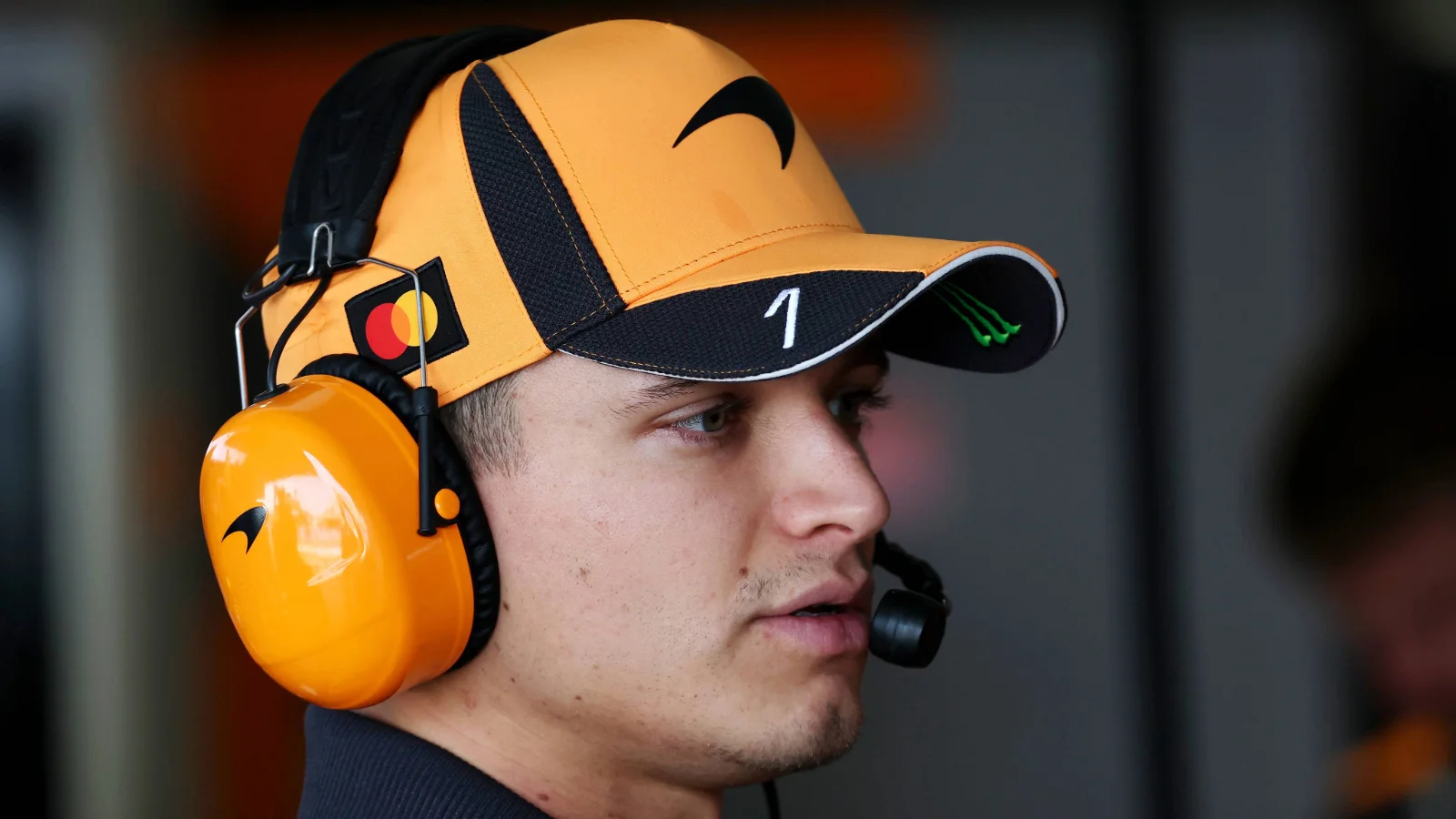
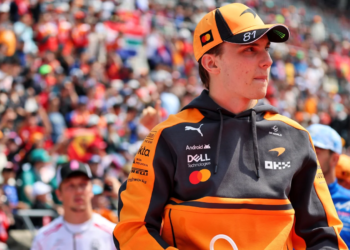
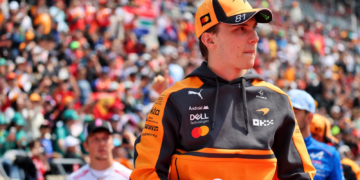
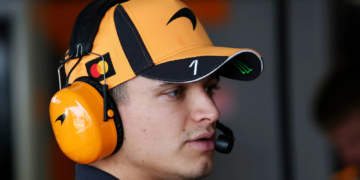
Lando Norris has revealed a fear of driving the 2026 Formula 1 cars, due to one aspect of the new power units.
Reigning world champion Norris is part of the camp that spoke of their displeasure at the driving style needed for the new cars, as they continue to divide drivers and fans.
Norris has also suffered poor reliability in the opening races, enduring issues in practice sessions, including a DNS in China.
While on track, he has looked far from happy in the MCL40, wrestling his car to fifth in Australia and Japan, with qualifying proving somewhat of a disappointment, only qualifying fifth in Japan.
As Qualifying continues to come under fire from fans for the reduced power output, Norris shared his frustrations on the battery-induced issues on Saturdays.
“Of course, there are some better and some worse tracks, and they’ve made some improvements, but it can still be further improved,” Norris said to media, including Motorsport Week.
“We just want to go flat out, I don’t want to be lifting and losing 60kph into 130R [at Suzuka] into the final corner.
“Most other categories will have a higher top speed than us, so some things can be improved, the FIA know that and I hope they do it.
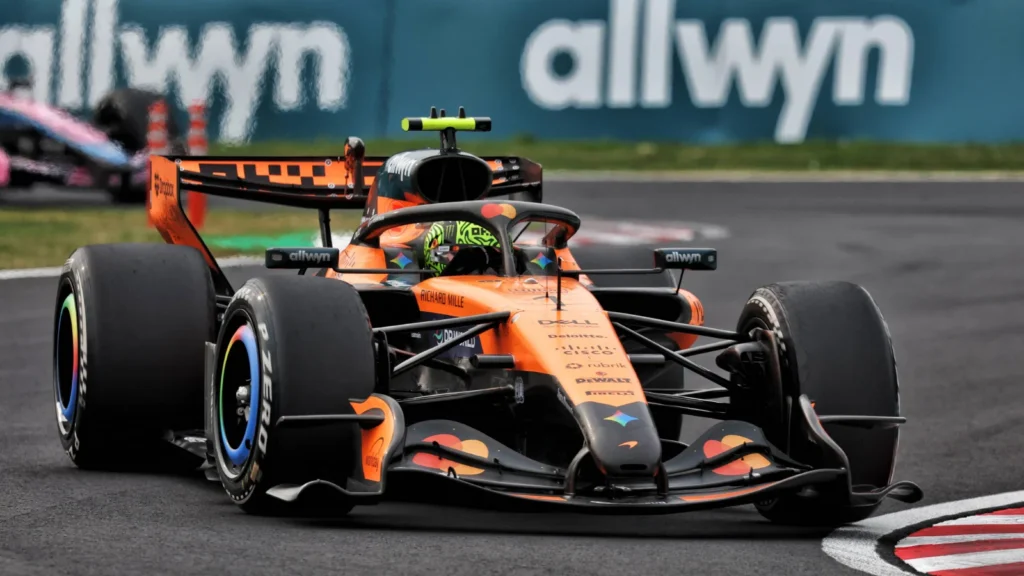
Safety concerns for Lando Norris
Norris, however, expressed concerns about the impact of battery management on racing, citing a lack of driver control in high-speed corners like 130R, taken at over 170mph.
“Yes, the racing can look great on TV, but the racing inside the car is certainly not as authentic as it needs to be,” he said.
“The big problem [at Suzuka] was it deploys into 130R, and I have to lift, and I’m not allowed to go back on the throttle.
“If I go back on the throttle, my battery deploys, and I don’t want it to deploy because it should have cut, and because you lifted, it redeploys, so you can’t go back on it.
“There is nothing I can do about it, so there is just not enough control for a driver; that’s why you are at the mercy of what is behind you.”
Norris’ words echo a growing number of drivers with legitimate safety concerns. The Oliver Bearman crash showed the dangers of closing speeds with the regulations as they are, necessitating the urgent talks between the teams and the FIA.
Drivers are demanding change. Whether they get what they want remains to be seen.




Discussion about this post