Formula 1 is enjoying one of its most successful eras—booming global viewership, expanding race calendars, and unprecedented commercial appeal.
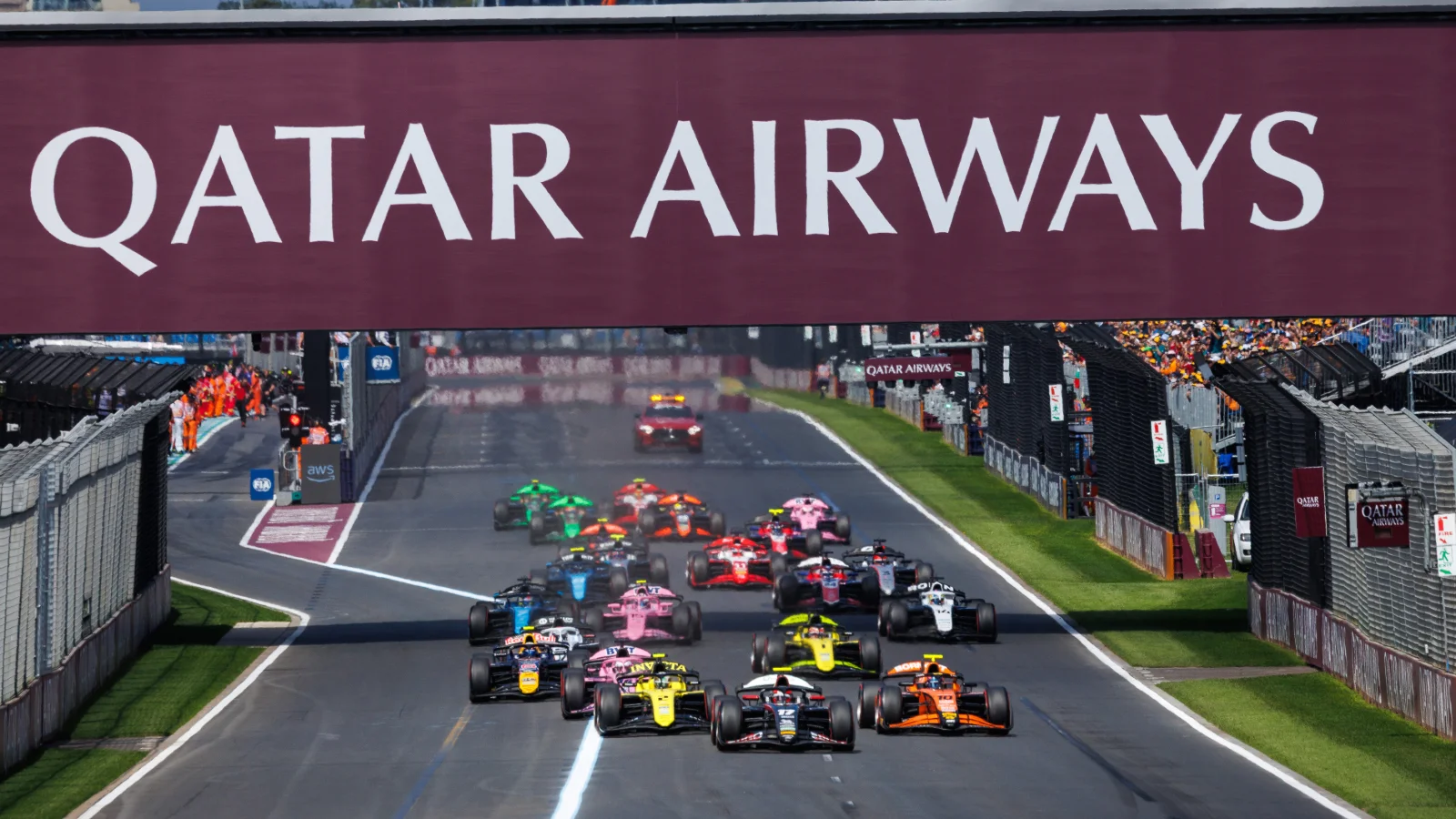
With more nations hosting Formula 1 grands prix and more fans following drivers and teams than ever before, questions naturally arise about whether the grid could expand beyond its current 11‑team, 22‑car structure.
The idea of adding new teams has resurfaced in conversations across the sport, fan forums, and even entertainment platforms where fans explore related topics such as formula 1 betting or join motorsport themed gaming communities on hubs like Monopoly Casino.
But, after adding theb11th team (Cadillac) this year, is the sport truly ready for more cars on the grid? And what factors influence whether expansion becomes a reality?


Below is a detailed look at the various elements shaping the discussion.
Growing global interest encourages expansion
The worldwide popularity of Formula 1 has surged in recent years, driven by improved broadcast accessibility, dynamic driver personalities, and the influence of behind-the-scenes documentary content.
Why this matters
- More countries are bidding to host races
- New markets (such as the U.S., Middle East, and Asia) are seeking deeper involvement
- Increased fan interest invites more commercial investment
With the sport expanding geographically, adding more teams could be an effective way to represent new audiences and broaden the competitive landscape.

Historical precedent favours larger grids
Formula 1 grids were once much larger, with some seasons in the 80’s and early 90’s featuring over 30 cars attempting to qualify for the 26 starting slots on the grid. Even in the early 2000s, the championship hosted 11 or 12 teams on a regular basis.
What this shows
- The sport has successfully operated with larger fields
- Greater team numbers can increase unpredictability
- More cars enhance race strategy complexity
While today’s regulations are far more demanding, the sport does have a legacy of accommodating more entrants.
The 2026 regulation refresh could open doors
The 2026 controversial 50/50 ICE/Electric rule changes, aimed at reducing costs, increasing sustainability, and adjusting engine regulations have provided a natural opportunity to welcome new entrants. Historically, major regulation overhauls have coincided with manufacturer interest.
Potential outcomes
- More balanced competition for newcomers
- Technical resets that reduce the dominance gap
- Attraction for new engine suppliers
Teams that enter during a reset often have better chances of catching established competitors.

Financial barriers remain a major hurdle
Despite growing interest, joining Formula 1 is not simple. The cost of building a competitive team remains incredibly high, even with cost cap measures now in place. One key challenge is the antidilution fee, a very large (estimated to now be $600m) entry payment meant to protect existing teams’ revenue shares.
Current financial obstacles
- Strict entry fees for new teams
- High operating costs for car development
- Need for strong long-term sponsorship
- Requirement for advanced facilities and staff
While these financial demands make expansion possible, it will only apply to very serious and well-funded contenders.
Infrastructure demands also limit immediate growth
Expanding the grid impacts more than just the teams. Circuits, pit lane sizes, logistics networks, and safety regulations all must support a larger field.
Key logistical considerations
- Some circuits lack space for additional garages
- Travel logistics become more complex
- Rule enforcement becomes more demanding
- Safety protocols must adjust for more cars on track
Formula 1 would need to carefully evaluate whether the global infrastructure can handle expansion.

Increased competition benefits the sport
Many fans and analysts argue that more teams equal more excitement. Extra cars mean more overtakes, more midfield battles, and a deeper strategic mix.
Why competition matters
- More teams reduce predictable results
- New entrants could challenge the status quo
- Increased talent opportunities for young drivers
Greater variety in team performance could elevate entertainment value for fans.
Existing teams hold significant influence
Even if the sport desires more entrants, existing teams must agree. Many teams are protective of revenue distribution and competitive balance. While some welcome growth, others are cautious.
Factors influencing team decisions
- Potential revenue dilution
- Competitive challenges from new rivals
- Concerns over grid overcrowding
- Alignment with long term commercial goals
Decisions about expansion require consensus across stakeholders.
Serious interest already exists
Over recent years, several organisations have publicly expressed interest in joining Formula 1, including major manufacturers and ambitious private groups. Their involvement suggests expansion is not just theoretical, it’s actively being pursued.

Why this is notable
- Strong applicant pools indicate the sport’s appeal
- More high-profile manufacturers could strengthen technical diversity
- Growing interest aligns with F1’s international growth strategy
Where there is demand, Formula 1 is likely to explore opportunities.
And in conclusion…
Could Formula 1 see more teams added to the grid? Absolutely, but the path is complex. Rising global popularity, upcoming regulation changes, and strong interest from potential entrants all point to a future where expansion is possible. However, financial, logistical, and political challenges remain significant barriers.
As fans engage more deeply with motorsport generally, through traditional fandom, analysis, Formula 1 betting, or themed digital spaces like Monopoly Casino, the conversation around expansion will only grow louder. If the sport can balance commercial demands with competitive diversity, an expanded F1 grid could usher in an exciting new era.