
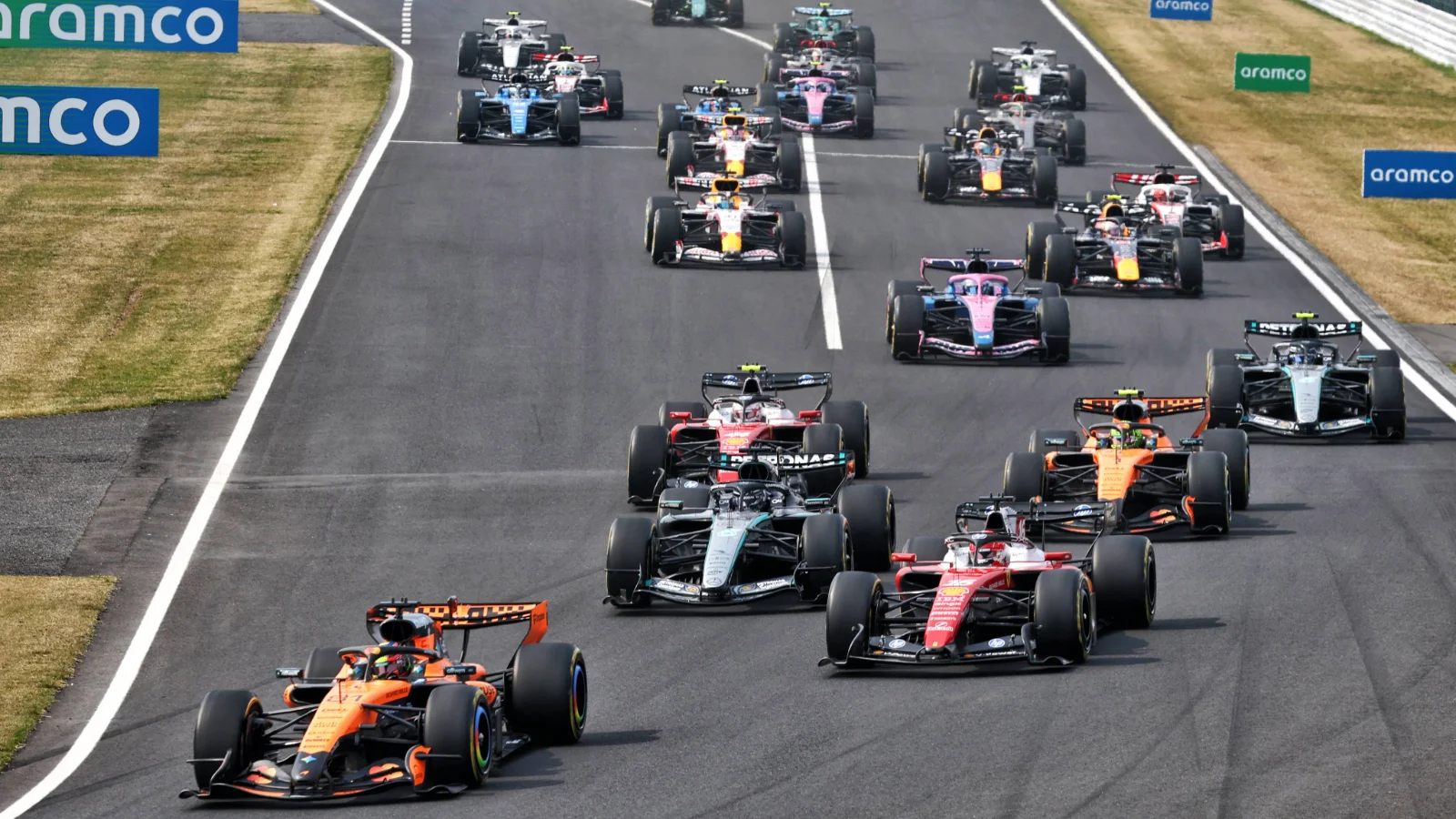
Martin Brundle has questioned the legality of the 2026 Formula 1 cars, highlighting their ability to circumvent a core FIA directive.
The new breed of 2026 F1 cars has come under fire for numerous reasons in the opening three races, with energy deployment and management receiving an unwelcome reception.
Driver complaints over the superclipping phenomenon are growing louder, while energy management is causing drivers to run out of energy mid-straight.
The knock-on effect seen in Japan led to cars beginning to dictate and action how it overtakes another on the track, in a blatant breach of historic regulation.

Sky Sports commentator Martin Brundle outlined his displeasure and alarm with the discovery, calling into question the car’s legality, believing the cars are becoming “self-learning”
“Now, there’s a regulation in Formula 1, it’s been around for forever, it’s very simple and far-reaching,” he said on The F1 Show. “The driver must drive the car alone and unaided,” Brundle insists. And article 27.1 of the sporting regulations does indeed mandate that a driver must pilot their vehicle independently, yet the current power units are overriding their input.
“I think the problem the drivers have got; one thing that really worried me was Lando Norris saying ‘I didn’t want to overtake Lewis Hamilton, but my battery decided it did, and then I had nothing to defend with’.
“The drivers shouldn’t have any surprises by a self-learning car. They’ve got to get rid of that.
“I’m sure it’s not the work of a moment, but the power delivery must be proportional to what the drivers are doing with the throttle. That’s the fundamental. It has to be linear. It’s a big issue for the FIA.”
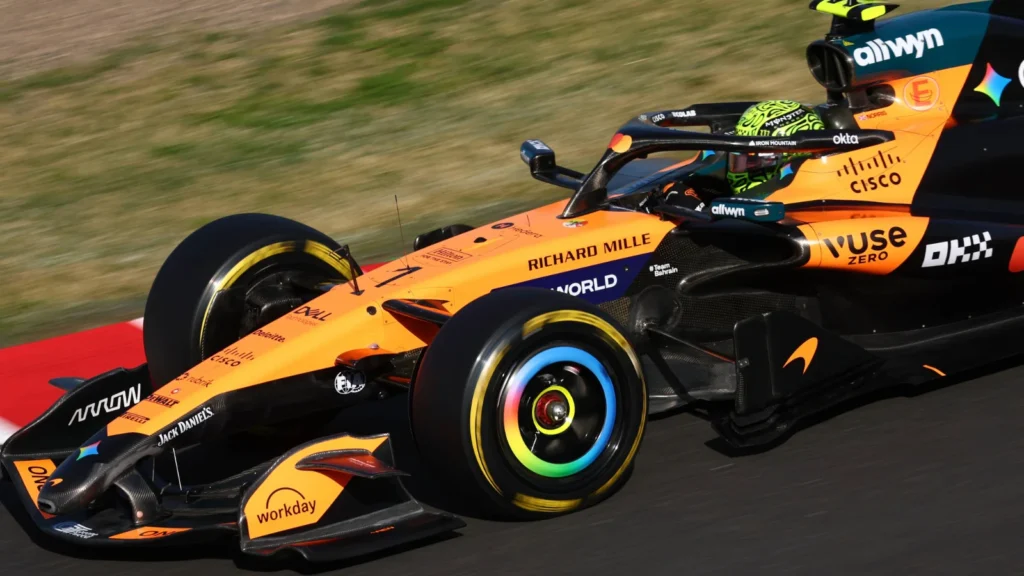
F1 admits political element to power units
As fallout over the power units continues to grow, the decision to F1 pursue this avenue is continuing to be called into question.
In 2024, F1 CEO Stefano Domencali admitted a political element to the decision, stating: “these 2026 technical regulations was, at the specific moment the decision was taken, related to a need for [more] manufacturers to be involved in F1, with a different kind of technology that would need to be used. I do believe that is really fundamental and crucial [to understand].”
But even in 2024, the prospect of returning to V8S was raised, and the benefits praised, suggesting this was an avenue worth exploring.
“Sustainable fuel, [and a] V8, I think is great. Things have developed so quickly that today a decision might be different from two years ago. I am not an engineer, but I must have a vision of what the sport will look like in the future.”
Momentum is clearly building for the return to V8 engines and moving away from these disastrous power units, the byproduct of an era where F1 needed to attract more manufactuers.
But that has come at a cost: the cars are producing artificial racing, with F1’s CEO championing a return to V8S even as the current regulations were being finalised.
The crunch talks due between the teams and the FIA will aim to fix the short term issues, but pressure is growing for F1 to run “normal” cars again, and certainly not ones that can drive themselves.







Discussion about this post