Formula 1 has long operated on a simple assumption: spend more, win more…
The sport’s biggest teams built dynasties on engineering depth, vast infrastructure, and the ability to throw resources at problems until they disappeared. That logic is being tested more seriously than at any point in the modern era.
The introduction of the cost cap was supposed to level the playing field gradually. What nobody fully anticipated was how quickly it would expose the limits of financial dominance — and how aggressively smaller operations would exploit those limits.
Budget dominance no longer guarantees pole position
For much of the hybrid era, Red Bull and Mercedes traded dominance while everyone else fought for scraps. That dynamic has shifted. Cost cap regulations have constrained how quickly big-budget teams can iterate on their cars, removing the ability to simply outspend a technical problem away. When a design philosophy hits a wall, money alone cannot rebuild the car mid-season.

The regulations also changed how development spend translates into lap time. Wind tunnel time, CFD limits, and component restrictions mean that efficiency of spending now matters more than the volume of it. Teams that built leaner, more focused development pipelines have found themselves punching well above their financial weight.
Fan engagement markets reshaping team sponsorship
The competitive reshuffling has consequences beyond the pit lane. Sponsors now pay closer attention to which teams actually compete for podiums, not just which ones carry the most famous badges. Mid-tier teams winning races attract different commercial conversations than historically dominant teams collecting points finishes.
This shift extends into digital fan markets. Growing audiences in Southeast Asia — particularly Singapore — have become valuable demographics for commercial partners. Interestingly, the rapid growth of online casinos for Singapore has mirrored how regulated digital entertainment markets track live sports engagement, with both industries competing for the same time and attention from digitally active consumers.
How McLaren and Ferrari outpaced the spenders
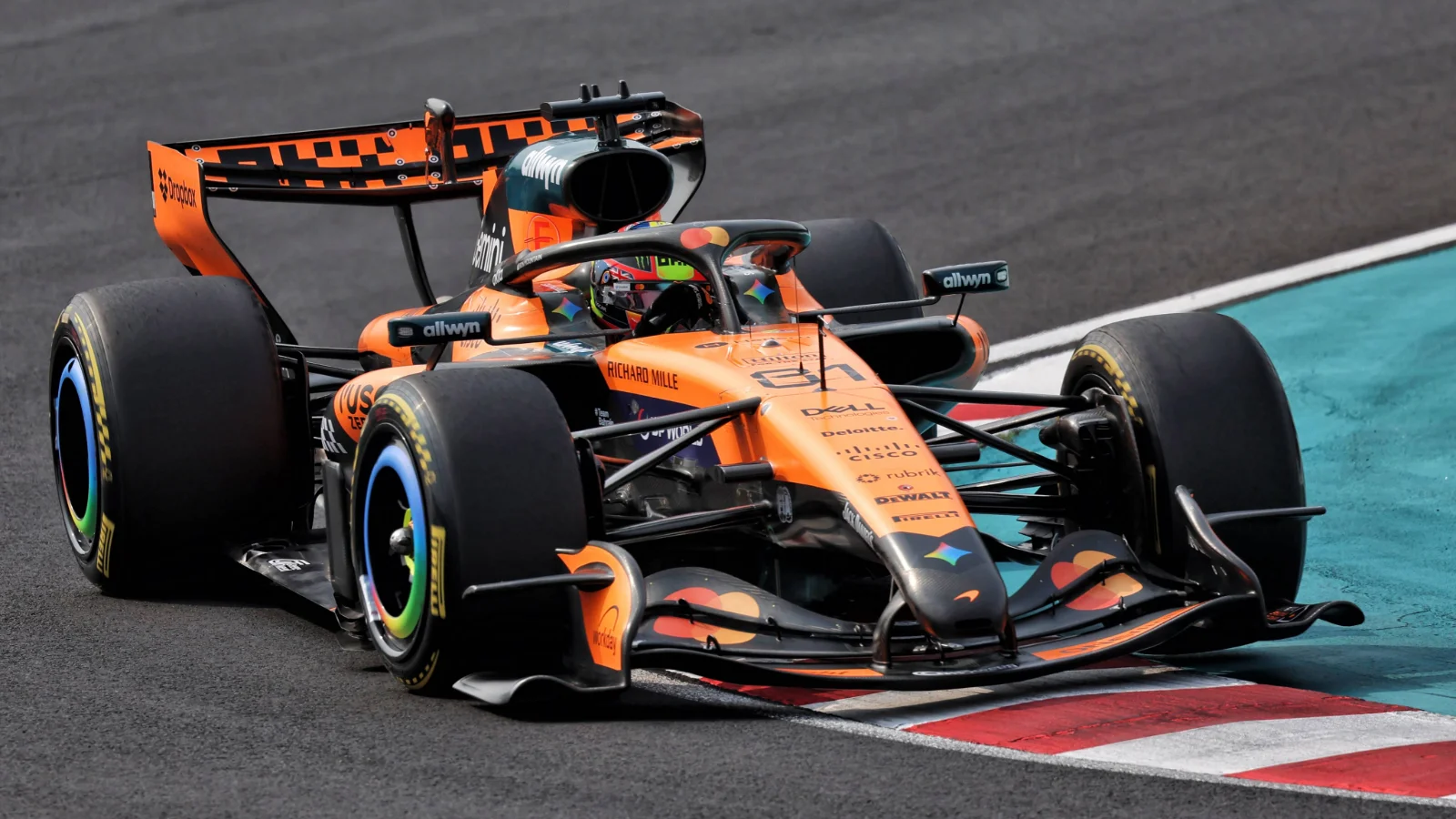
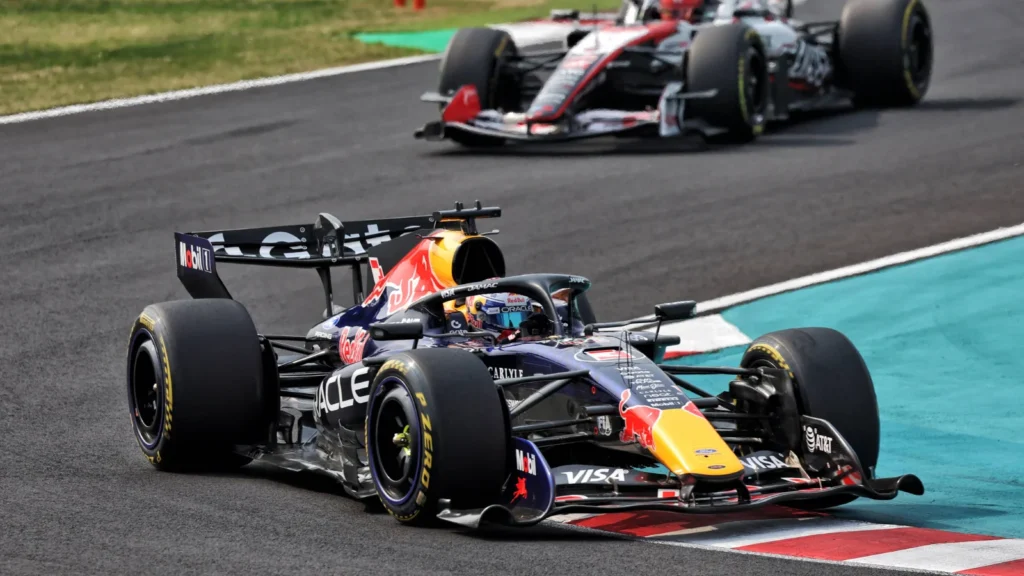
McLaren’s 2024 Constructors’ Championship win was the clearest evidence yet that the spending hierarchy no longer maps neatly onto the results. Red Bull finished 77 points behind McLaren in the 2024 Constructors’ Championship, a team that had dominated the sport just seasons earlier. The gap reflected not just a performance slump but the structural limits on how fast Red Bull could respond under cost cap constraints.
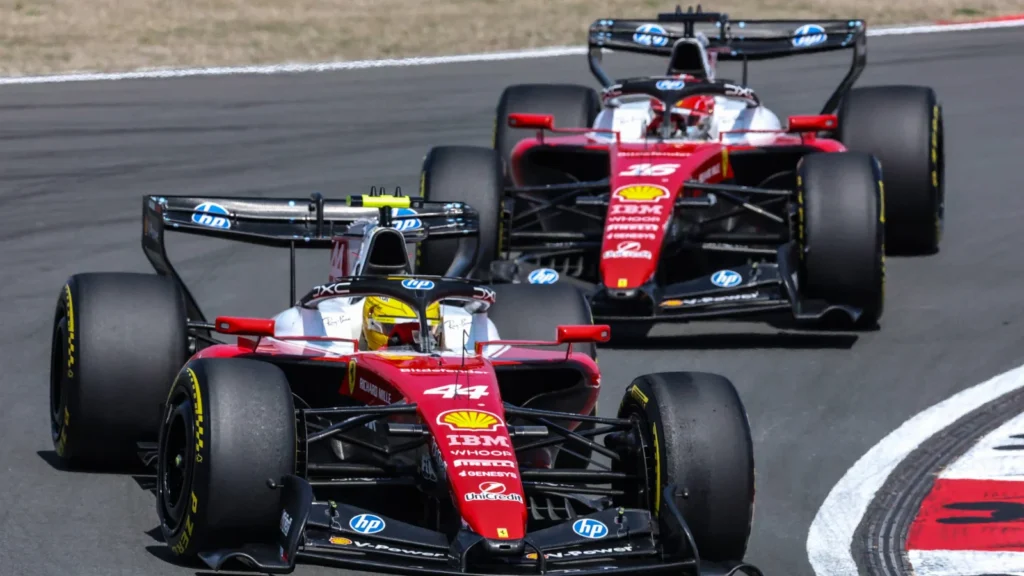
Ferrari’s story in 2025 has been even more complicated. Despite entering the season with enormous expectations following Lewis Hamilton’s arrival, the Scuderia struggled with inconsistent qualifying, strategic missteps, and a double disqualification at the Chinese Grand Prix that forced conservative setup choices sacrificing downforce and pace.
Ferrari is valued at $6.5 billion on Forbes’ 2025 Most Valuable Sports Teams list, ranking above Mercedes, yet that brand power has offered no protection against on-track difficulties.
What the spending gap actually predicts now
Financial strength still matters in Formula 1, but its predictive power has weakened considerably. Mercedes earned £161 million in profit in 2024, a remarkable commercial achievement, yet the team’s on-track performance was hampered by costly incidents across the season. Profitability and pace have become genuinely separate conversations.
What spending now predicts most reliably is resilience over a long season — the ability to recover from setbacks, develop in-season upgrades, and retain technical talent. It does not predict which team will be fastest in March, or which will still be leading the championship come September.
The teams winning that latter question in the current era are doing it through precision, not just resources. That is a fundamental change to how Formula 1 works, and it is unlikely to reverse while cost cap regulations remain in place.