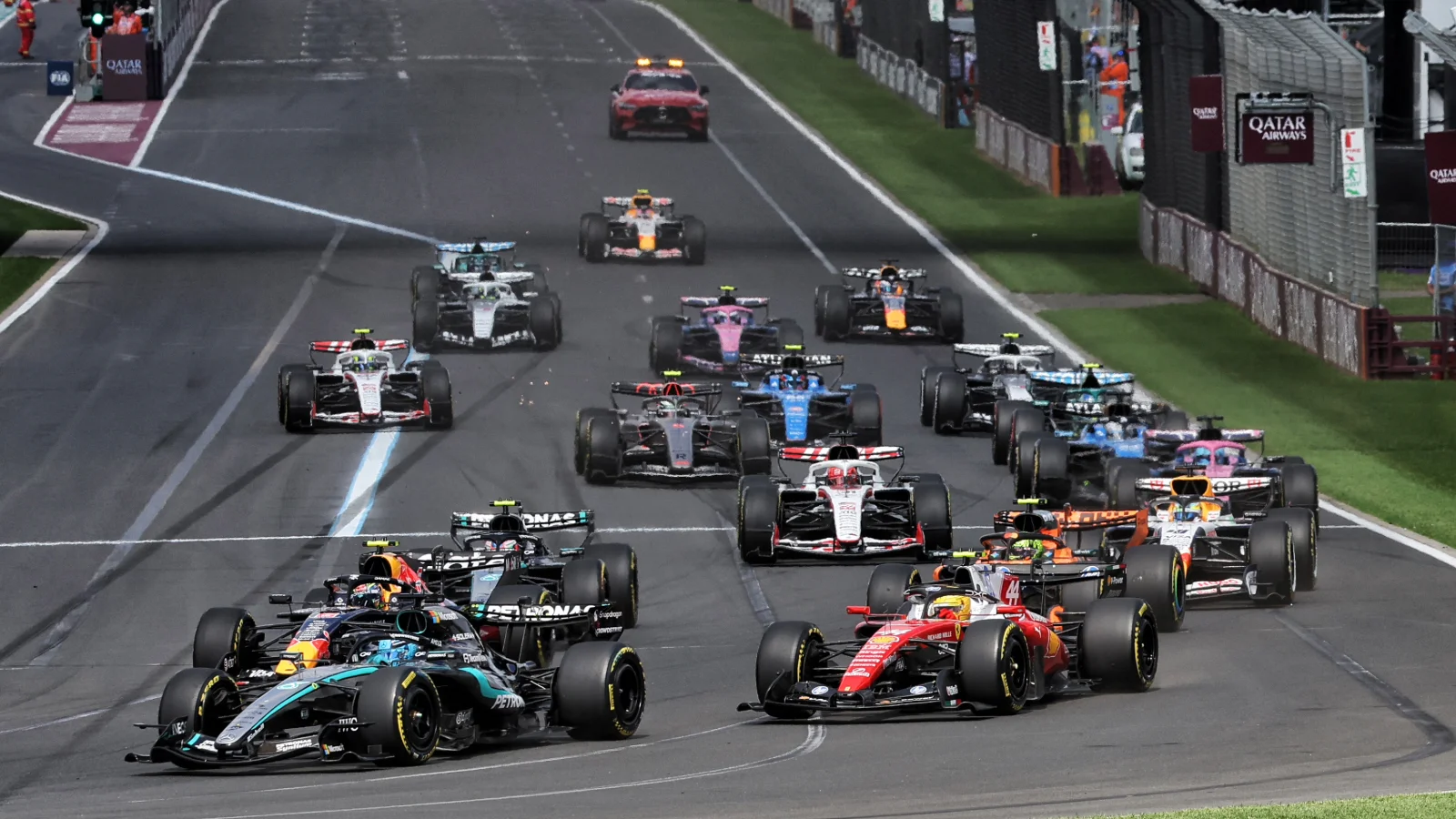
Data now shapes how fans predict race results, as seen in recent F1 seasons. Many follow telemetry from each session to track speed, braking, and corner performance.
This gives clear clues about car balance and driver form. FP1, FP2, and FP3 insights also matter. Fans compare lap times, long runs, and fuel loads to guess race pace. Tyre strategies play a key role as well.
Choices between soft, medium, and hard compounds often decide outcomes on race day. The FIA sets rules that affect data use and tyre limits, which adds another layer to analysis. With more access to numbers and reports, fans build informed predictions instead of simple guesses.
What fans look for before making redictions
Fans study several key factors before they form predictions for a race weekend. Qualifying pace is one of the first signals. A fast single lap often shows how strong a car can be on low fuel. Yet, long runs tell a different story. These laps reveal race pace and tyre wear over time.


Weather conditions can change everything. Rain or strong wind may shift the balance between teams. Track history also matters. Some drivers perform better at certain circuits, and past results help guide expectations.
Pirelli tyre data gives useful details about degradation and grip levels. This helps fans judge which strategy may work best. By combining all these elements, predictions become more reasoned and less based on guesswork.
How analytical thinking extends beyond the track
Pre-race analysis shapes how fans think in other areas too. They learn to evaluate risk with care. In Formula 1, one small change over the whole process can affect the final result. This builds a habit of careful judgment.
Many fans start to rely on data for decisions. They compare numbers, trends, and past outcomes before making a choice. This comparison mindset becomes part of how they approach other topics.
A similar pattern appears in online casinos and casino bonuses. Users often review terms, odds, and bonus rules before they act. The goal is to reduce uncertainty and make informed choices. Skills built through race analysis can apply here, where clear thinking and data checks remain important.
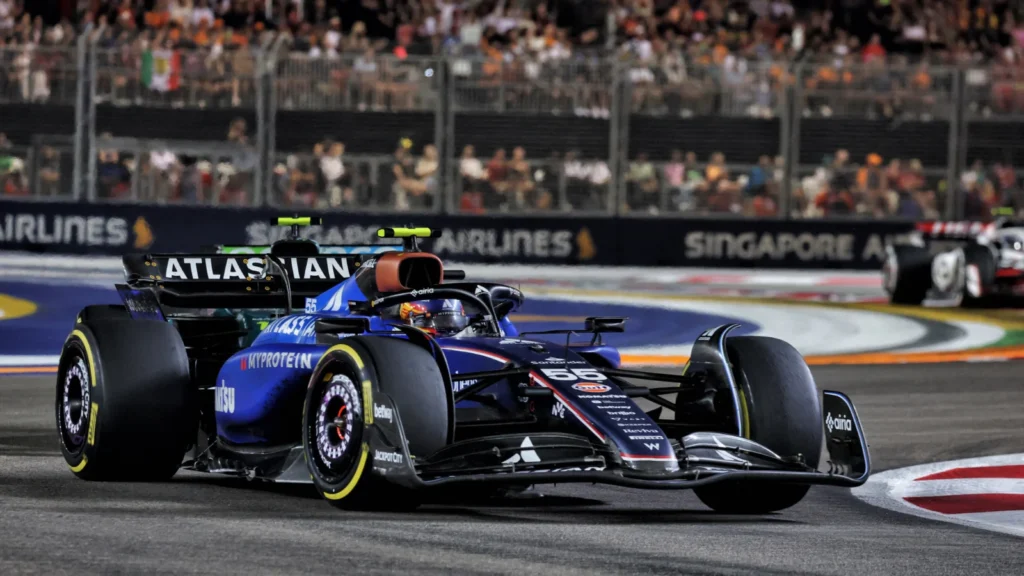
How fans evaluate bonus offers using the same analytical approach
Many bonus offers look the same at first glance. Large numbers and bold claims can hide key details. This creates a problem for users who want to make a clear choice.
When comparing free spins bonuses, experienced users often apply the same logic they use when analysing race data, focusing not just on headline numbers, but also on the underlying conditions behind the offer.
They check wagering requirements to see how many times a bonus must be used before withdrawal. In the same way, some prefer to see the full 1000 spins offers table to compare limits and conditions side by side.
They also review withdrawal limits, since some offers restrict how much can be taken out. Expiration rules matter as well. A short time limit can reduce the real value of any bonus.
To make sense of these details, users often turn to sources that break down terms into clear categories and explain how each rule affects the final outcome. Reviewing the platform CasinosAnalyzer provides structured comparisons of such offers, helping users understand the real value behind promotional mechanics.
The key takeaway is simple. Careful review leads to better decisions. Just like in Formula 1, success often depends on how well you read the data, not how fast you react.
Why context matters more than raw numbers
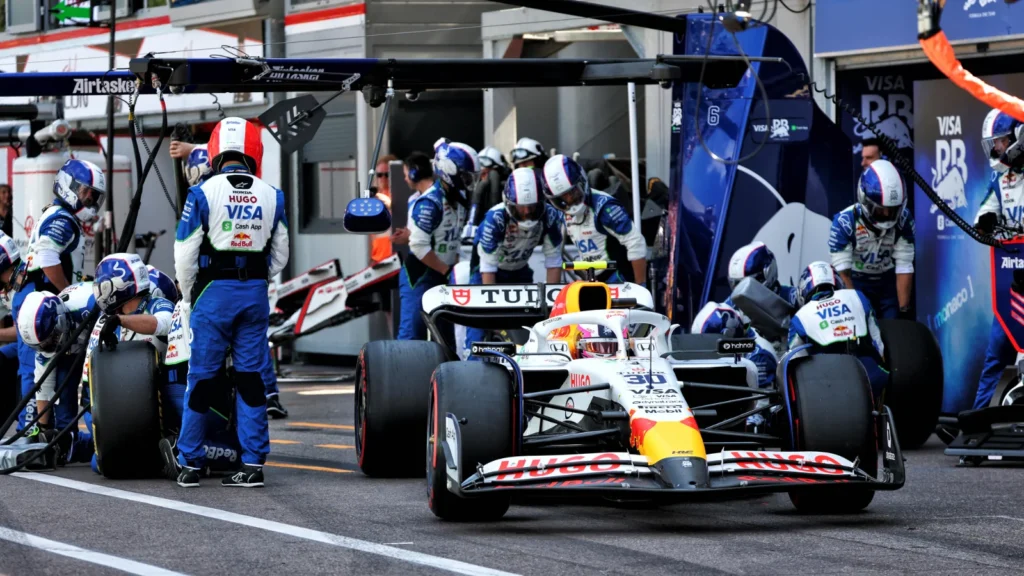
Numbers alone can also mislead if the context is missing. In Formula 1, a fastest lap may look important, but it does not always reflect true performance. A driver can set the fastest lap on low fuel or fresh tyres late in the race. This does not mean they had the best race pace overall.
| Metric | What It Shows | Hidden Factors | Why Context Matters |
| Fastest Lap | Peak single lap speed | Low fuel, fresh tyres, clean track | May not reflect full race strength |
| Qualifying Time | One lap performance | Track evolution, tyre prep | Does not show long run pace |
| Race Pace | Average speed over many laps | Tyre wear, fuel load, traffic | Gives a more complete performance |
| Tyre Degradation | Grip loss over time | Track temp, driving style | Affects consistency and strategy |
| Fuel Load | Car weight impact on speed | Strategy choices, stint length | Changes lap times across race |
| Sector Times | Speed in track sections | Setup balance, driver input | Needs full lap context |
Race pace shows a more complete picture. It includes tyre wear, fuel load, and consistency across many laps. Without this context, single lap data can give the wrong idea. Formula1.com often highlights this difference in its reports, where analysts compare long runs instead of isolated laps.
The same logic applies outside the track. Raw numbers in any system need explanation. A large figure may look strong, yet hidden limits or conditions can change its value. Careful readers focus on how numbers are formed and what affects them. This approach leads to clearer and more reliable conclusions.
Final words
Formula 1 fandom now relies on data driven thinking. Fans no longer depend only on opinion or instinct. They study lap times, tyre use, and team strategy before forming views. This shift has grown stronger in recent years.
Decisions based on race data analysis tend to be more accurate. Fans learn to compare details and question simple numbers. They look at patterns, not just results. This habit builds a more careful approach to prediction.
The same mindset can apply in other areas. Even in pop culture, people try to explain events through structured systems, and topics like astrology explains Victoria Beckham and Nicola Peltz bad blood show how audiences look for patterns and meaning beyond clear data.
Clear thinking and data checks help reduce errors. It is not about speed, but about understanding. In the end, better analysis leads to better decisions, both on and off the track.