
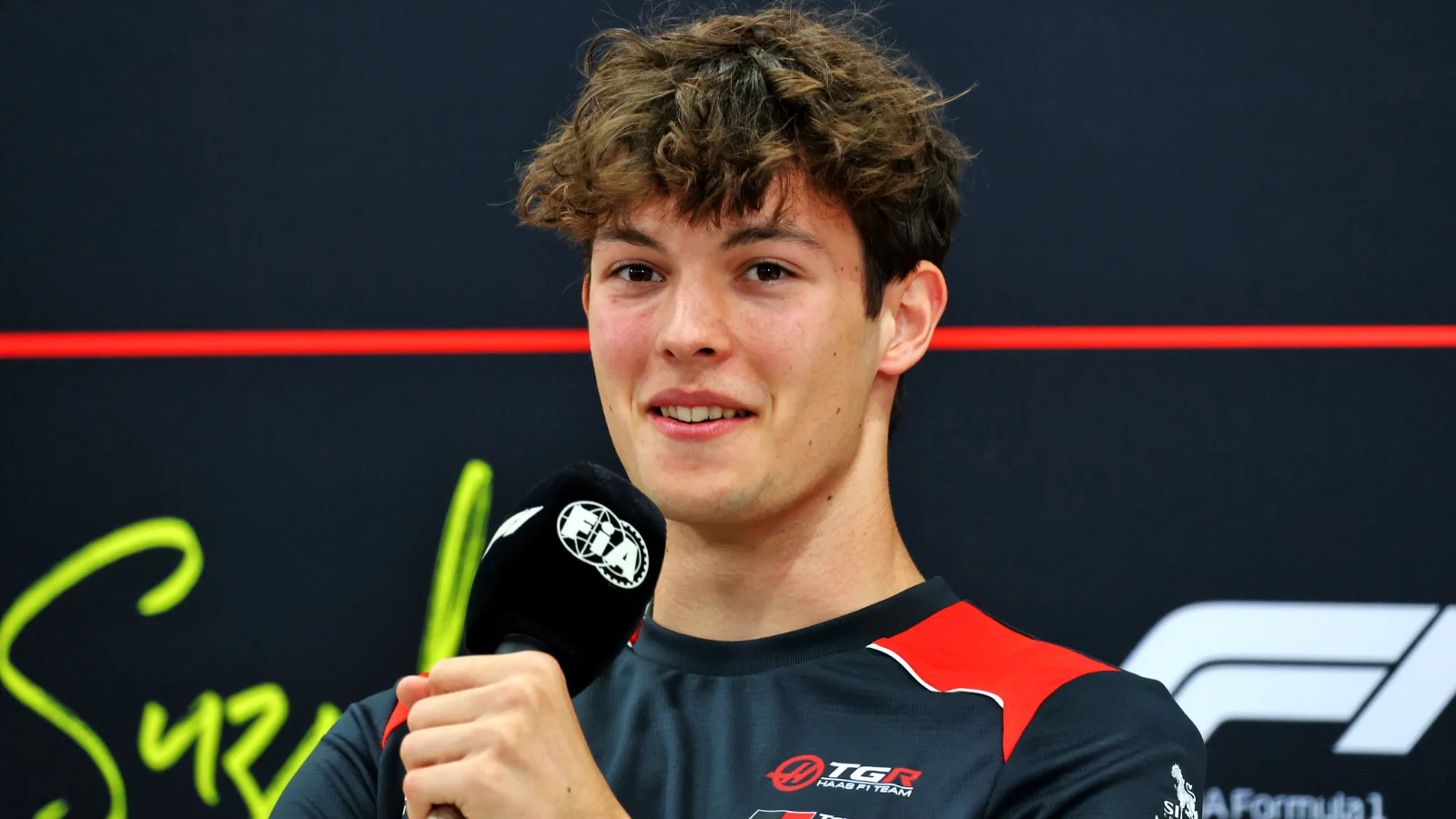
Oliver Bearman has expressed caution about the FIA’s decision to change the energy limits at Suzuka, warning it may make Formula 1 slower.
Ahead of the Japanese Grand Prix weekend, the FIA announced that it was reducing the amount of energy cars can recharge during qualifying. Reducing the amount from 9MJ to 8MJ.
The hope is that with this reduction, drivers will be able to do push laps without worrying about lift-and-coast or superclipping.
The FIA has taken steps to limit that practice in qualifying at Suzuka, announcing: “To ensure that the intended balance between energy deployment and driver performance is maintained, the maximum permitted energy recharge for Qualifying this weekend has been reduced from 9.0 MJ to 8.0 MJ.”

This followed continuing discourse around qualifying that arose early in the season. Drivers across the grid have aired complaints that qualifying has shifted from a test of an individual driver’s ability to extract the maximum from a car to a test of which car is fastest.
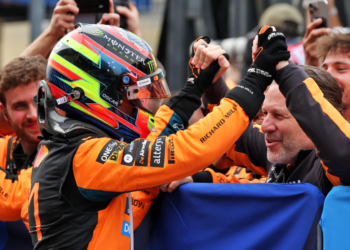
However, these changes haven’t been received well so far. Oliver Bearman was one of the more vocal drivers on media day. He told Motorsport Week and other media: “It’s just making us even slower.
“On one hand, we don’t have to do any lift-and-coast anymore, which is probably a bit better for us, but we still have to recharge the energy.
“And we spend a lot of time just with no energy, because we’re losing one megajoule compared to what we had on the sim.”
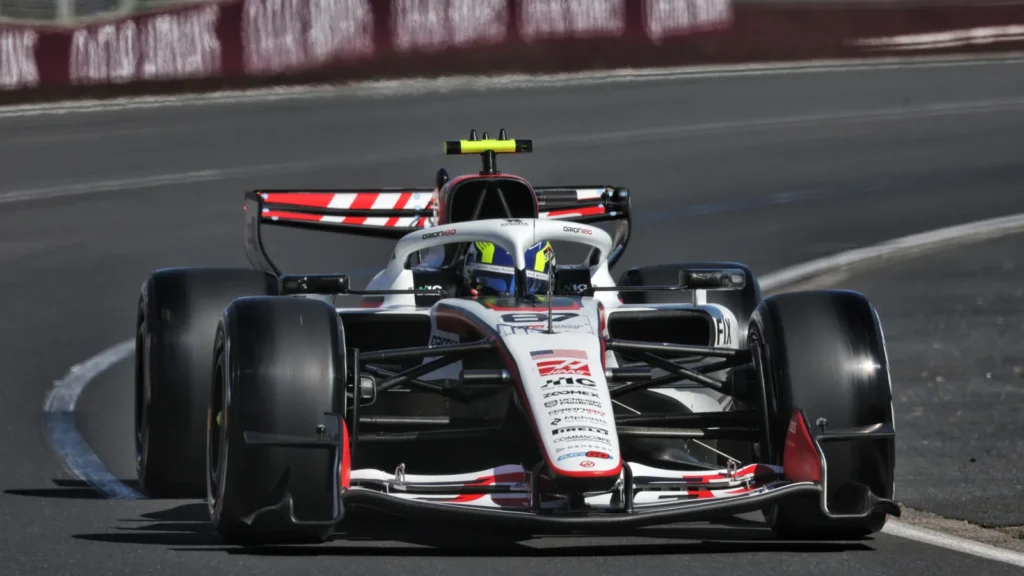
The changes to Suzuka
Bearman wasn’t all negativity; he looked for better solutions he’d like to see in the future, and he acknowledged that he was happy the FIA are updating the rules.
“I think there are better ways of achieving the same thing. If we could harvest at negative 350 kilowatts while on full throttle, I think it would make everyone’s lives a bit easier, but this is also a solution, I guess.”
Suzuka is famed for its sweeping corners, with the twisting Esses requiring precision and focus. They’re high-speed, but with the change in regulations, Bearman is concerned that some of the spectacle may disappear.
“I think some of the greatest aspects of this track might not be as great this year, simply because of the energy constraints and the fact that we have to recharge at Degner One, Spoon. Maybe I’ll go faster than last year, actually.
“Just watching the onboards from last year, it’s so spectacular. The fact is, we’ve lost a lot of downforce compared to last year, which is one thing, and that will be one thing, but in terms of energy, we were seeing Degner might not really be a grip-limited corner anymore, because it would become power-limited, which is a bit of a shame.
“But let’s see. Let’s see how it, how it looks out there on track.”
Until qualifying drivers won’t know if the changes have made a positive difference. However, it’s a good first step within the 2026 regulations.
READ MORE – Lewis Hamilton defends new F1 regulations with karting analogy




Discussion about this post