
The FIA has acted to heed the concerns centred around energy harvesting in Formula 1 qualifying by implementing a rule change for this weekend’s Japanese Grand Prix.
After talks with all 11 teams, the sport’s governing body has chosen to reduce the energy available for drivers to recharge from 9MJ [megajoules] to 8MJ.
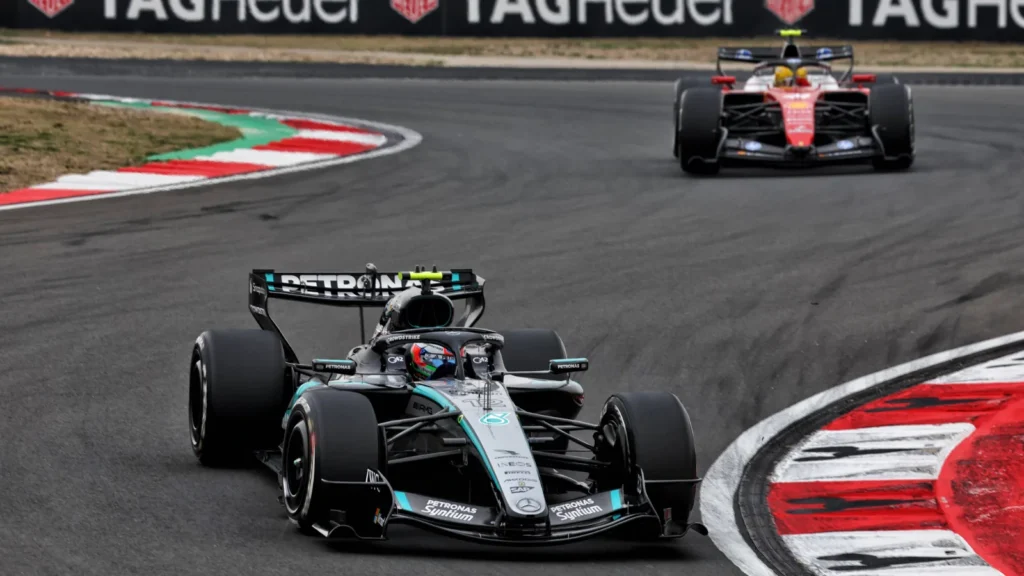
The first two races in Australia and China have seen drivers to complete this recharge process during qualifying laps, which can be done either by recovering energy when braking, ‘lift and coast’, or ‘superclipping’.
This is when the electric part of the 50-50 hybrid engine is able to recover energy via the internal combustion element.


The practices at play have led to unusual driving from those on the grid, such as lifting in areas of the track where the cars would previously have been at full throttle. This leads to faster overall laptimes if drivers chose not to do this.
With the rule change, drivers will not require these energy-saving methods as much.
What the FIA said
In a statement, the FIA said:
“Following discussions between the FIA, F1 teams and Power Unit Manufacturers, a minor adjustment to the energy management parameters for Qualifying at the Japanese GP has been agreed with the unanimous support of all Power Unit Manufacturers.
“To ensure that the intended balance between energy deployment and driver performance is maintained, the maximum permitted energy recharge for Qualifying this weekend has been reduced from 9.0 MJ to 8.0 MJ.
“This adjustment reflects feedback from drivers and teams, who have emphasised the importance of maintaining Qualifying as a performance challenge.
“The FIA notes that the first events under the 2026 Regulations have been operationally successful, and this targeted refinement is part of the normal process of optimisation as the new regulatory framework is further validated in real-world conditions.
“The FIA, together with F1 teams and Power Unit Manufacturers, continues to embrace evolutions to energy management, with further discussions scheduled in the coming weeks.”
It remains to be seen whether this tweak will placate the drivers who have been less-than-complimentary about the new rules, or how the practice will be seen on the Suzuka circuit, known for its challenging profile and notoriously fast final sector.
READ MORE – Max Verstappen throws journalist out of F1 Japanese GP media session







Discussion about this post