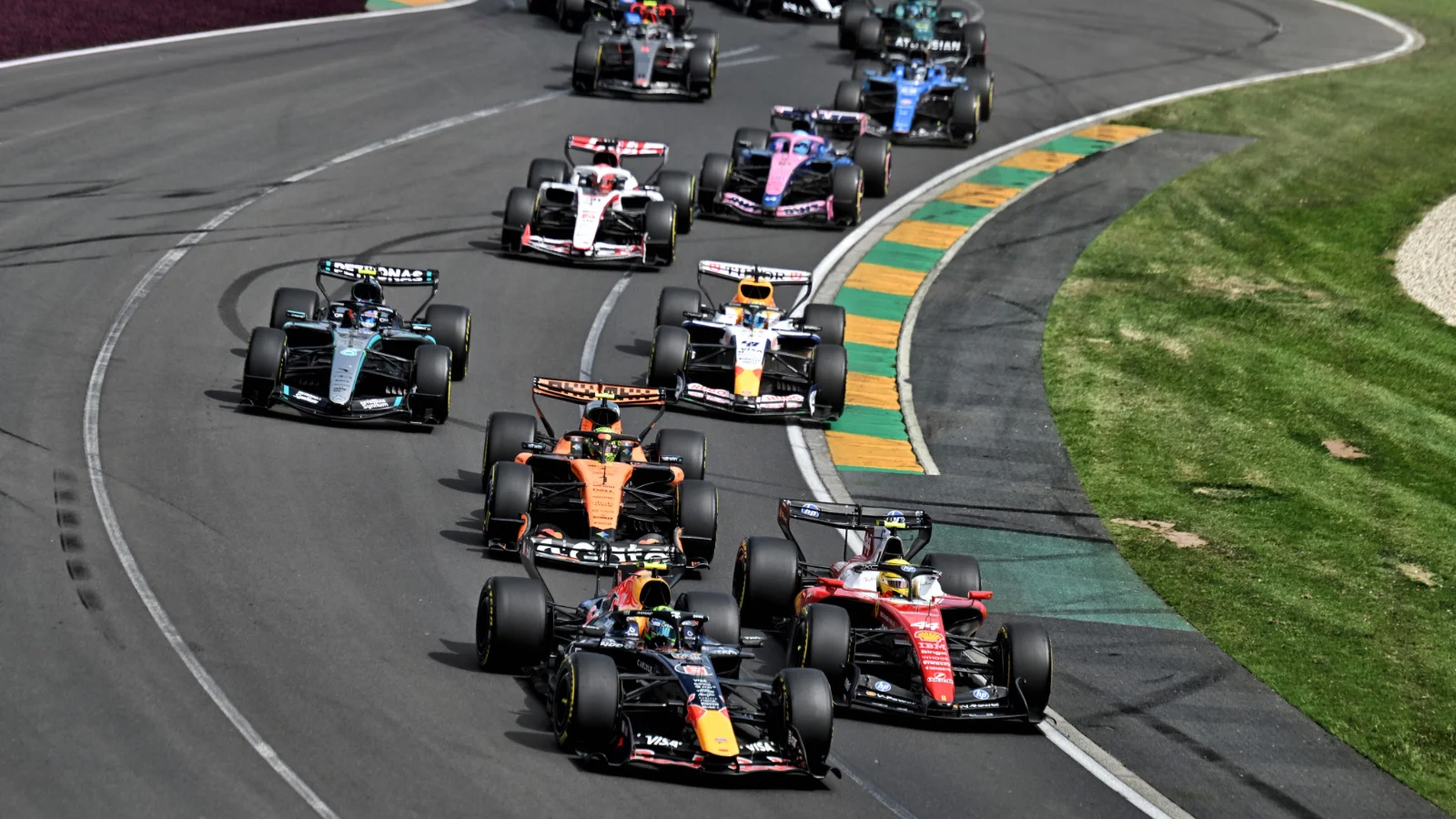
The summer period in Formula 1 is traditionally one of the most exciting stretches of the season.
Several iconic circuits appear on the calendar, championship battles often intensify, and teams introduce major upgrades that can reshape the competitive order.
As the paddock prepares for the crucial run of races during the warmer months, fans and analysts alike are paying close attention to how regulation tweaks, team development, and driver form could influence the title fight.
From legendary street circuits to high-speed classics, the summer calendar provides a mix of challenges that test both engineering and driver skill.


Regulation adjustments and their strategic impact
Even minor regulatory adjustments can have a noticeable effect in Formula 1, where teams operate on extremely fine margins. Over the past seasons, the FIA has continued refining technical and sporting regulations to improve racing quality and maintain competitive balance.
For teams like Red Bull, Ferrari, McLaren, and Mercedes, the summer portion of the calendar is often where development packages reach maturity. Aerodynamic upgrades, floor revisions, and suspension tweaks typically debut around this time, allowing engineers to extract additional performance before the season enters its final phase.
These adjustments often influence race strategy as well. Tire management, pit-stop timing, and even qualifying setups can change depending on how new components interact with specific circuits.
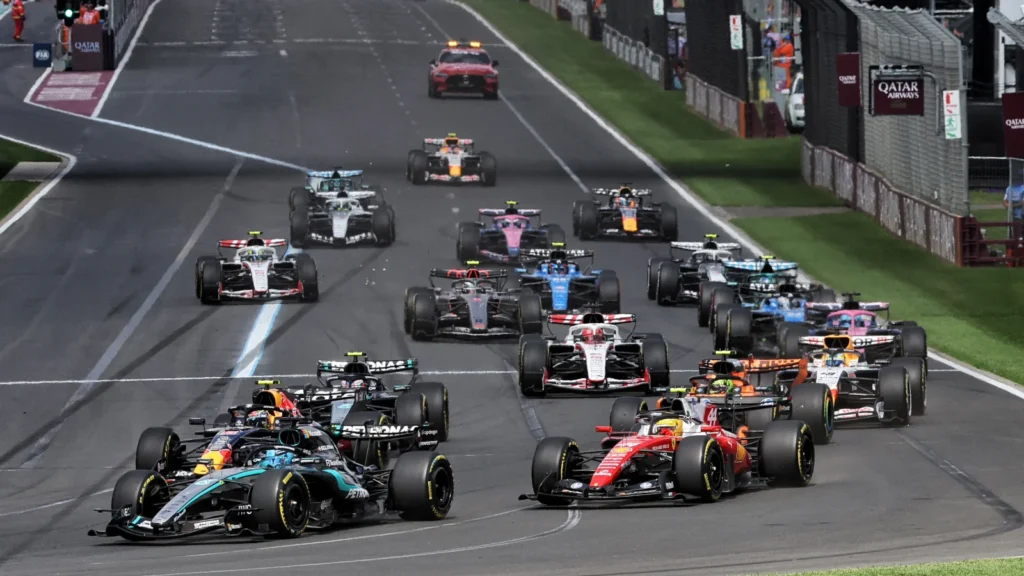
Tracks with long straights or tight street layouts demand different aerodynamic profiles, forcing teams to make careful decisions about which upgrades to introduce and when.
Because of this constant evolution, predicting performance during the summer races can be particularly challenging.
The iconic summer races
The summer stretch of the Formula 1 season includes some of the most famous races in motorsport. Each event carries its own history, atmosphere, and unique technical demands.
One of the most glamorous events is the Monaco Grand Prix, held on the narrow streets of Monte Carlo. Precision is everything here: overtaking opportunities are limited, and qualifying performance often determines the outcome. Drivers must maintain absolute concentration as barriers sit just inches away from their wheels.
Another highlight is the British Grand Prix, staged at the historic Silverstone circuit. Known for its high-speed corners and unpredictable weather, Silverstone rewards aerodynamic efficiency and driver bravery. It is also one of the most passionate venues on the calendar, with thousands of fans creating an electrifying atmosphere.
Later in the summer, the championship moves to the legendary Belgian Grand Prix at Spa-Francorchamps. Famous for the Eau Rouge–Raidillon sequence, Spa is one of the longest and most demanding tracks in the sport. Its combination of long straights and flowing corners makes it an excellent testing ground for aerodynamic performance.
These races often serve as turning points in the championship because teams arrive with major upgrades and drivers push harder to gain momentum before the final third of the season.
Championship battles heating up
By the time the summer races arrive, the title battle usually begins to take shape. A few teams typically emerge as genuine contenders, while others focus on securing podium finishes and consistent points.
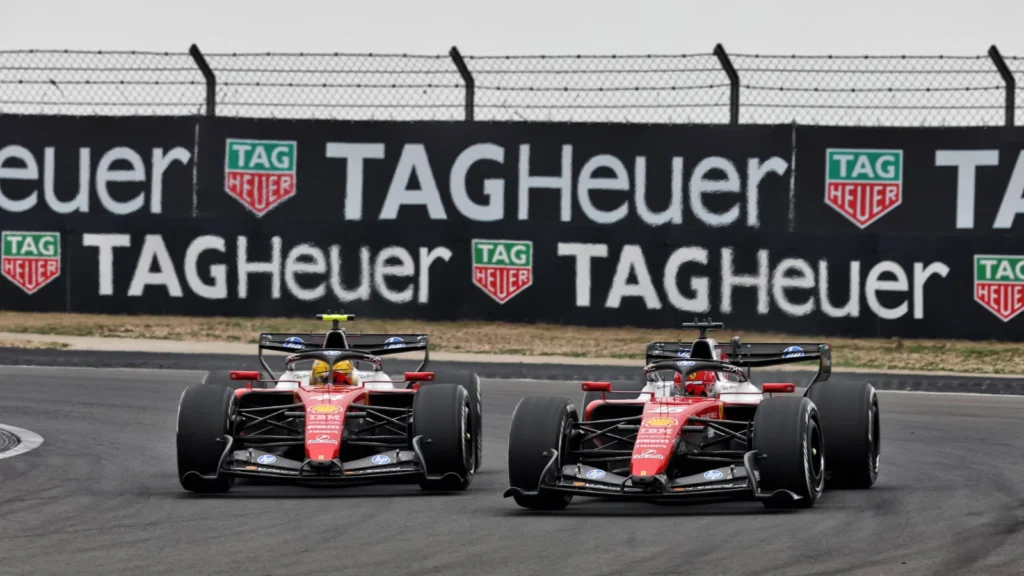
Recent seasons have demonstrated how quickly the balance of power can shift. A team that dominates early races may suddenly face strong competition once rivals introduce successful upgrades. For example, mid-season development surges from teams like McLaren or Ferrari have previously transformed them from midfield challengers into podium regulars.
Driver performance also plays a crucial role during this period. Fatigue can start to accumulate as the schedule intensifies, and even small mistakes may carry significant consequences. A missed braking point, a slow pit stop, or a poorly timed safety-car period can dramatically affect championship standings.
As a result, the summer races are often where drivers separate themselves in the title fight. Consistency becomes just as important as outright speed.
Growing fan engagement
Formula 1’s global popularity has expanded significantly in recent years. Television audiences, streaming platforms, and social media engagement have all contributed to a broader international fanbase. The drama of close championship battles and the spectacle of iconic circuits make the sport particularly attractive to new viewers.
With this growing interest, many fans also follow the analytical side of the sport – studying lap times, sector data, and strategic decisions. These insights often influence discussions about race predictions and outcomes.
Because of the sport’s unpredictability, Formula 1 events naturally attract attention from the sports betting community as well. Race weekends include multiple variables: weather changes, safety cars, tire strategies, and technical reliability can all influence the final result.
For some fans, managing betting accounts and transactions across different platforms can be complicated. In such cases, a bet agent can assist by helping users fund their accounts, handle withdrawals, and manage technical aspects of their betting profiles.
This kind of intermediary service has become increasingly common among bettors who want a much smoother experience while focusing on analysing races rather than dealing with payment logistics.
The connection between racing excitement and prediction markets continues to grow as the sport’s audience expands worldwide.
Why the summer stretch often defines the season
Historically, many championship campaigns have been decided during the summer phase of the calendar. Teams that successfully introduce upgrades and maintain reliability during this period often gain the momentum needed to challenge for the title.
The combination of iconic tracks, passionate crowds, and high-stakes competition creates an atmosphere where every lap matters. A single strong performance at Silverstone or Spa can shift the narrative of the entire season.
For engineers, drivers, and strategists, the summer races represent a crucial test of preparation and adaptability. For fans, they provide some of the most memorable moments of the year.
As the engines roar across Europe’s legendary circuits and teams push their machines to the limit, the summer months once again promise thrilling battles and dramatic twists in the ever-evolving story of Formula 1.