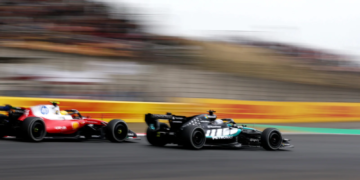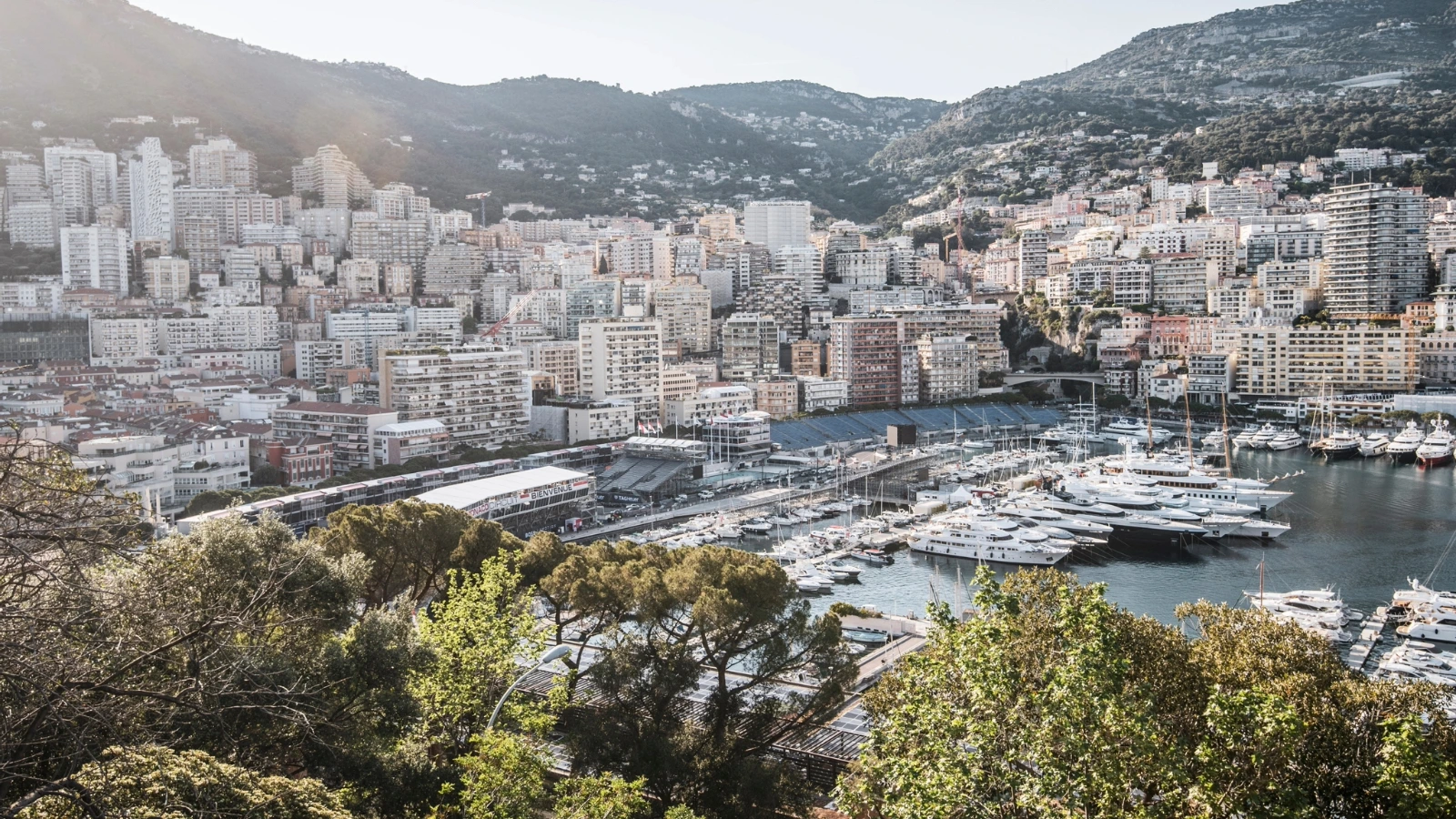
Monaco never feels like just another race weekend. The streets are tight, the harbour fills with yachts, and the climb past Casino Square sets the tone before a car even turns a lap.
That sense of risk has always shaped how the event is covered. Sports betting markets tend to shift quickly before Monaco due to the strong link between qualifying and race results.
The setting itself has long carried a reputation as one of Europe’s gaming capitals, and that mood now extends into digital platforms. Now, on an online casino such as Posido, there are hybrid functions where, besides following the race via betting, there are plenty of themed motorsport titles found for the fans.
The track that leaves no room for error
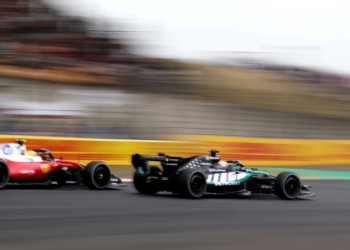
The Circuit de Monaco measures just over 3.3km, yet it feels tighter than any modern circuit with its barriers sitting just inches from the racing line. There are no large runoff areas to forgive late braking or a small slide. Drivers often describe a Monaco lap as a test of rhythm and memory.
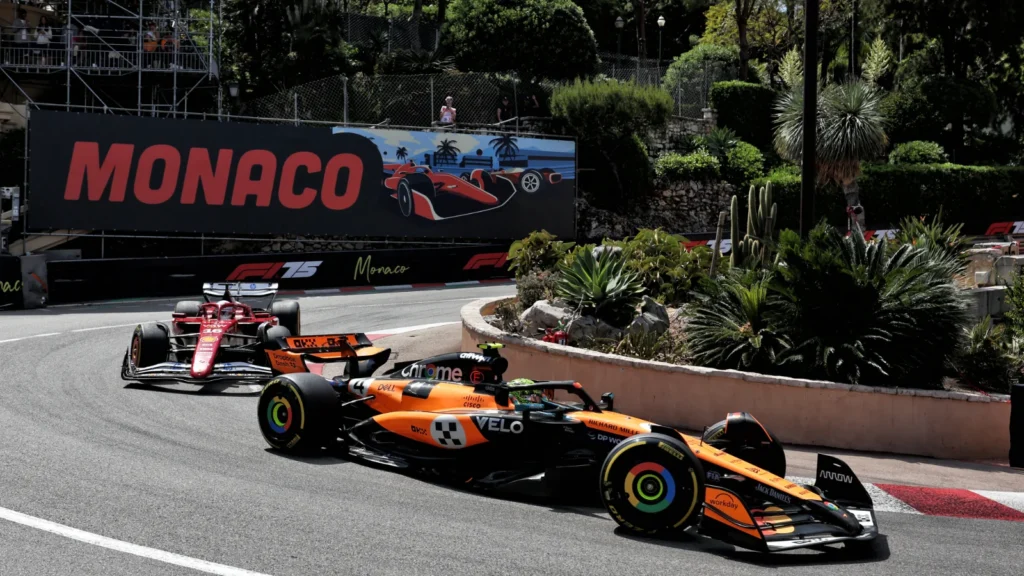
Nelson Piquet once compared a lap around Monaco like riding a bicycle around his living room. That remark still captures the nature of the track. The Fairmont Hairpin forces cars to slow to around 50 km/h, which marks the slowest corner in Formula 1. The tunnel section then sends drivers from bright daylight into shadow before heavy braking for the Nouvelle Chicane.
Overtaking remains rare. The 2003 Monaco Grand Prix ended without a single on-track pass for position at the front. Track position carries huge weight here, and that shapes the entire weekend for a driver.
What to expect from this year’s Monaco Grand Prix
This year’s Monaco weekend arrives with fresh discussion around strategy. Formula 1 has dropped plans to repeat the special mandatory two-stop rule that appeared in earlier proposals. Teams now return to a more traditional tyre strategy, which may lead to a single stop if track position allows it.
The weather can shift the story in Monaco. Rain in 2023 created chaos and forced teams into split-second tyre calls. A similar scenario would open the door to bold decisions from the pit wall. Without rain, the race often turns into a tense battle of patience and precision.
Monaco’s place in modern Formula 1
Monaco first hosted a Grand Prix in 1929, and was a founding race when the FIA Formula 1 World Championship started in 1950. The race has kept its place despite changes in car size and speed. Many drivers still rank a Monaco win alongside a world title due to the skill required to complete 78 laps without error.
The circuit’s layout has seen minor updates, yet the core challenge remains the same. Trying to negotiate Sainte Devote successfully is still punished after a poor start, and the climb up toward Massenet demands total focus.
As the upcoming race approaches, the narrative returns to the same theme that has followed Monaco for decades. Every lap feels like a calculated move. Every wall stands close enough to remind drivers what is at stake. In Monaco, nothing comes easy, and that is exactly why it continues to matter so much in Formula 1.