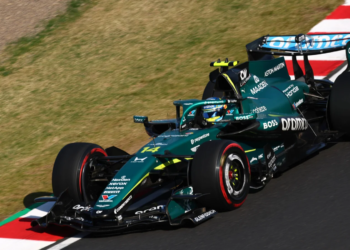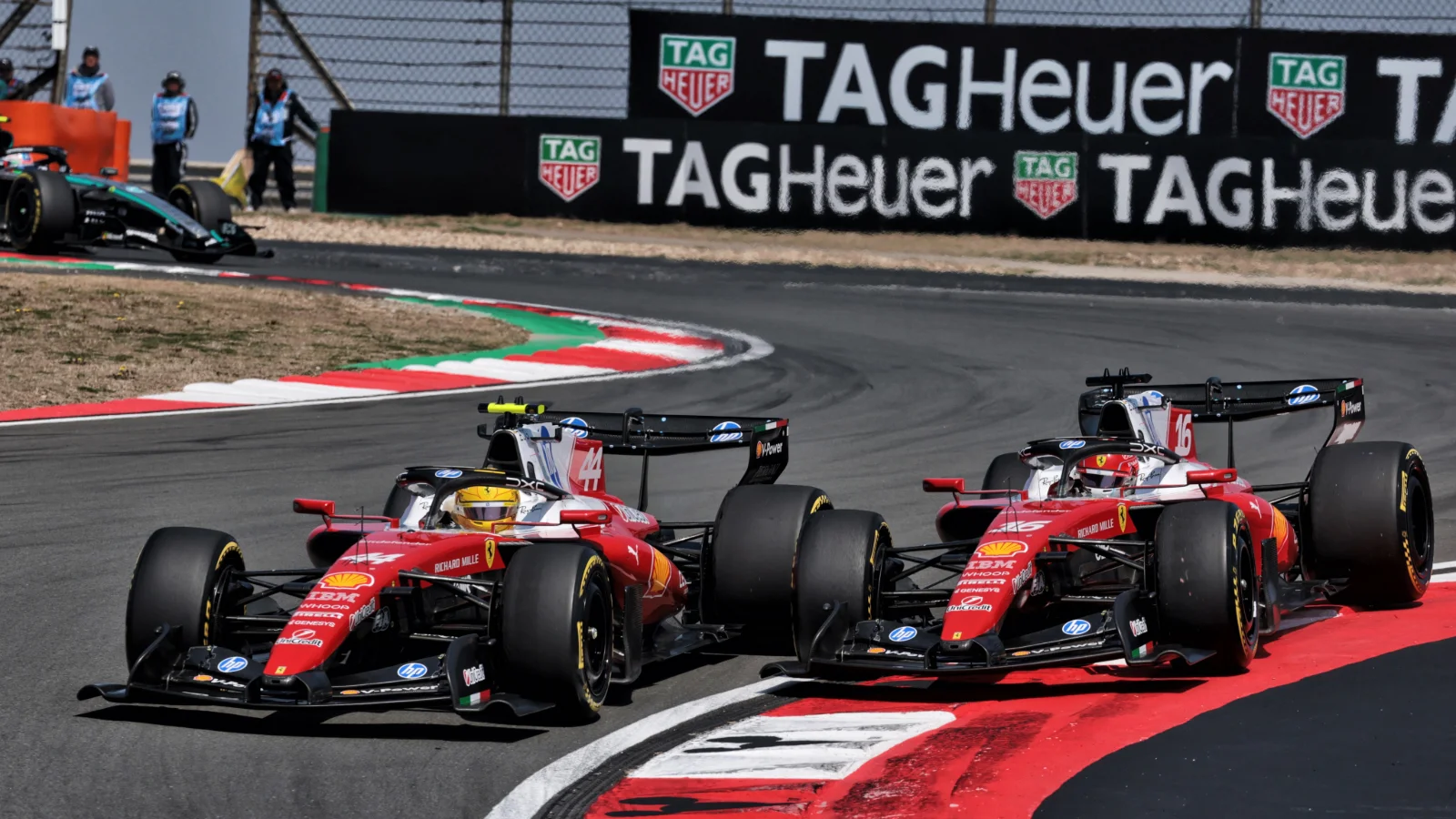
Formula 1 remains one of the most closely followed competitions in global sport, and it’s easy to see why.
Races combine extreme speed with constant decision-making, where small technical choices or timing calls can shift the outcome within seconds. Teams operate on fine margins, and drivers are expected to perform at a consistently high level under pressure.
The sport has also built a strong presence in the betting space. As can be seen on popular online casino and betting sites like https://dudespin.com/nz/, live betting has become a common way to engage with races as they unfold.
With positions changing quickly and strategies evolving in real time, Formula 1 has become a primary option among live betting fans. At the same time, technical details continue to play a decisive role in how teams perform.


A recent example occurred during the Chinese Grand Prix weekend in Shanghai, when the FIA required Ferrari to remove its halo winglets after raising concerns about their legality.
What initially seemed like a small aerodynamic tweak come up with in the view to saving a couple of hundredths of a second, quickly turned into a point of focus, with potential implications for how the team approaches future races.
A subtle upgrade Ferrari brought to Shanghai
Ferrari came into the Chinese Grand Prix weekend looking for small gains rather than major changes. During practice, the team introduced two aerodynamic tweaks. The first positioned around the halo area and the other toward the rear of the car. Both were designed with the same goal in mind: to smooth airflow and extract a bit more efficiency on track.
The halo winglets quickly drew attention. These were small elements placed on either side of the central halo support, and while they didn’t look dramatic, their purpose was clear. By guiding air more cleanly around the cockpit, they could help stabilise airflow heading toward the rear of the car. In a sport where tiny adjustments can translate into measurable lap time differences, even a marginal improvement can justify the effort.
Early signs were encouraging. Both drivers ran the parts without any issues, and the cars cleared initial technical checks after the sprint. From Ferrari’s perspective, the update seemed safe to use, offering a modest benefit without disrupting the car’s overall balance.
When the FIA started asking questions
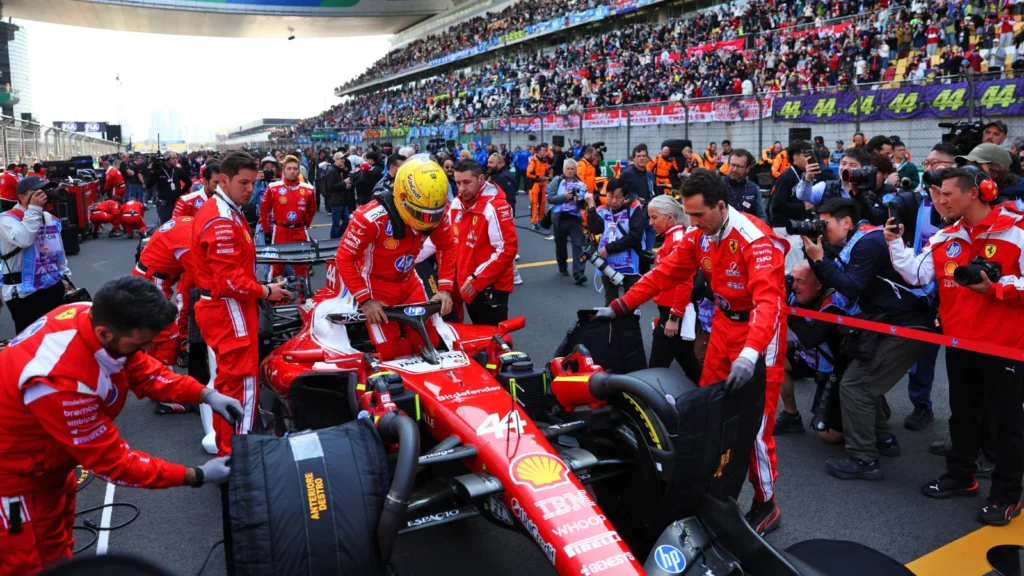
The situation changed as the weekend moved forward. Before qualifying, the winglets were removed from both cars. At first, there was little explanation, but it soon became clear that discussions had taken place with the FIA.
The concern wasn’t about performance as much as positioning. Formula 1 regulations define very specific areas where aerodynamic components are permitted, especially around safety structures such as the halo. The winglets appeared to sit right on the edge of those limits, raising questions about whether they fully complied with the rules.
Ferrari chose not to push the issue further. Internally, the team recognised that the gain was minimal, likely measured in hundredths of a second. Given that, continuing the discussion risked unnecessary attention or even a formal protest from rivals. Stepping back allowed them to avoid complications and keep the focus on the race itself.
What does this mean for bettors
Moments like this don’t change everything overnight, but they do add another detail worth paying attention to. Bettors, like those on Dudespin Casino Online, who closely follow technical updates, now have one less variable to consider when assessing Ferrari’s short-term pace.
Removing the winglets takes away a small advantage the team was testing. This could have slightly affect expectations for qualifying and race performance. The overall picture for the season remains largely the same. But small shifts like this often create opportunities in specific betting markets.
At DudeSpin Casino Online and other platforms, bettors who keep track of team decisions and technical developments tend to make more informed choices, particularly when comparing drivers or looking at head-to-head outcomes.