
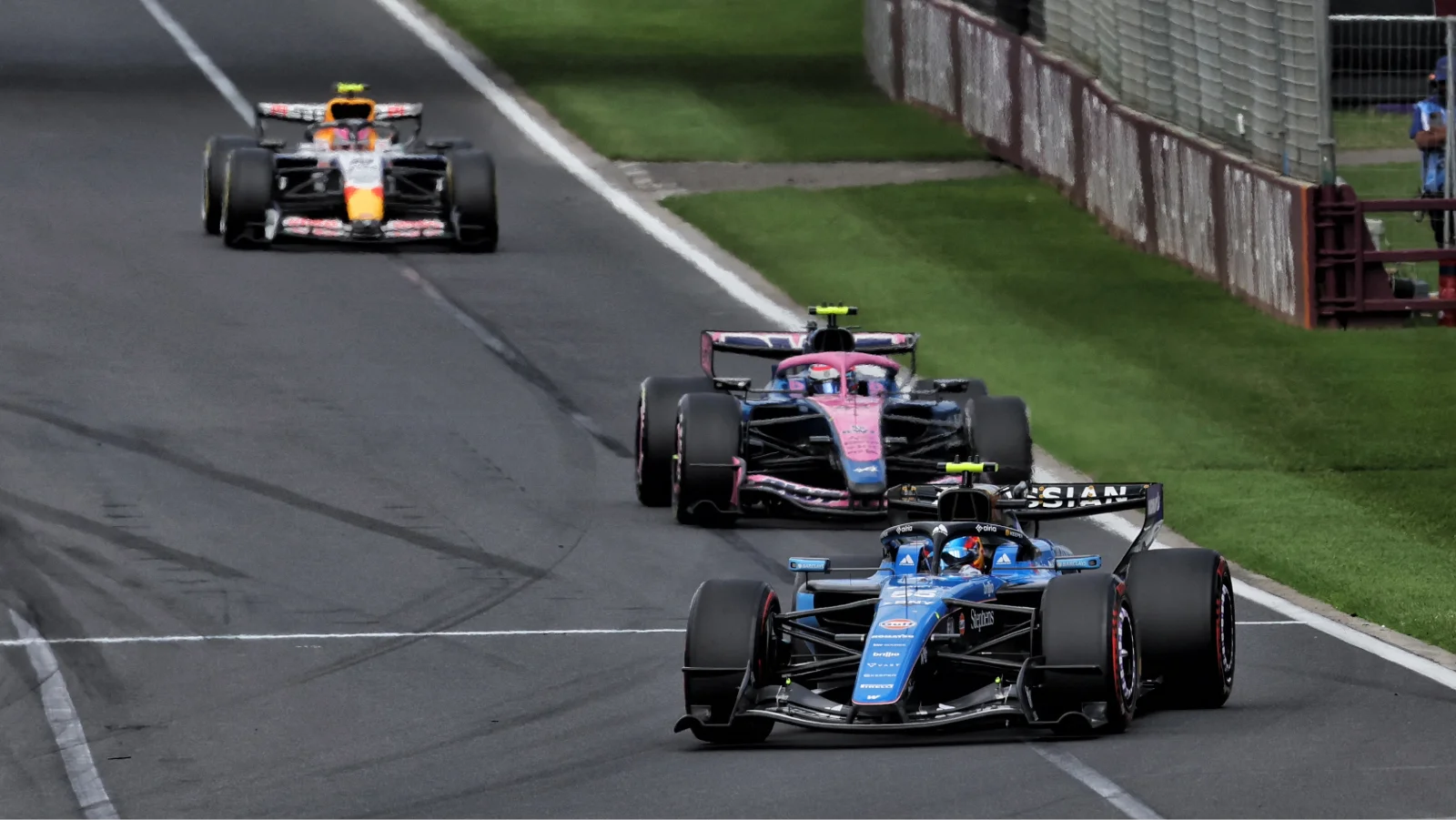
Williams Formula 1 Team Principal James Vowles has confirmed multiple options are on the table to address the energy management issues seen at the Australian Grand Prix.
Energy management became a talking point at the Australian GP, as drivers wrestled with the new style of racing that required intensive battery monitoring.
The 50:50 split between electrical and internal combustion power came under fire, as overtaking became a game of who had the most energy to deploy.
Albert Park is considered one of the worst circuits for battery deployment, while China will be at the extreme end of the spectrum.


Dividing drivers and F1’s fanbase, there are growing calls for action to address claims of artificial racing.
Vowles called for calm, and believes F1 must wait until post China to get a clearer picture of what the sport needs to change.
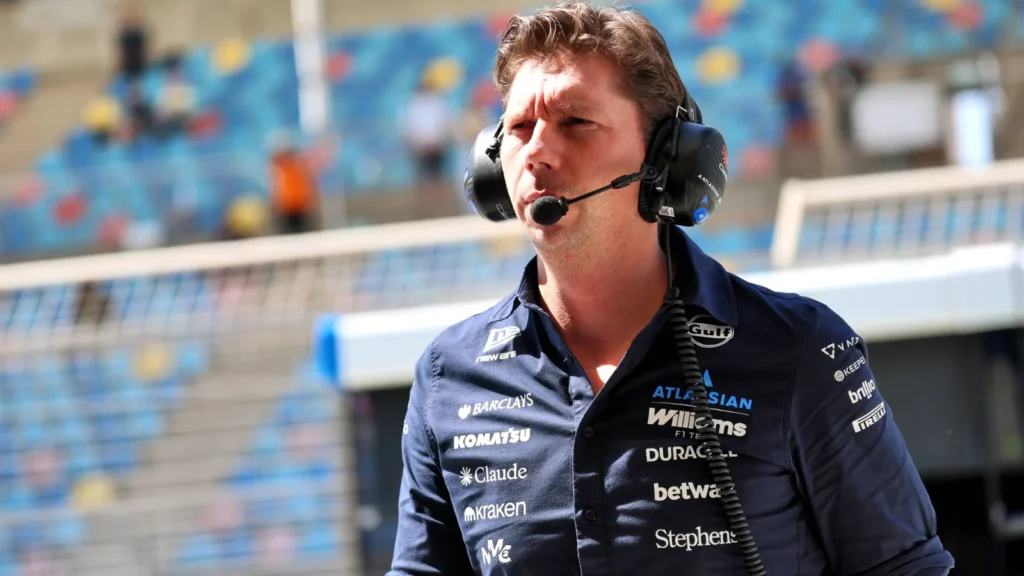
“If you go stand by the side of the road, which is what I did in Bahrain, they’re still Formula 1 cars and we’re still Formula 1 racing. Those are the facts behind it,” Vowles explained.
“Can we improve on it? Yes,” he said.
“Before we went into Bahrain, what we all said was, ‘Are we in the right place? No. Do we know exactly what’s changed to make it better? No. Let’s go through these two races, including a sprint race, and then actively change these rules to be in a solid place afterwards.’
“I’m not sure yet, but are we in a perfect spot? No. I think we are a little bit energy-starved, and we have to remember this is probably the top three in terms of worst tracks for it.
“But, irrespective, is this what we want to show as a sport? No. We want it to be in a slightly better place.
Multiple changes on the table?
Although not elaborating on detail, Vowles revealed multiple options are being discussed to address the situation, although he defended F1’s core product.
“So, there’s about four or five different proposals on the table”, he revealed
“We’re going to go through the next few races, just see really what works and what doesn’t work. But watch this space. I’m sure as a sport we’ll come together and change the right way.
“There are things we can do with the ICE as well. It’s just how extreme we want to be going in these measures,” said the Briton.
“I think the worst thing we can do is change it and make it worse. So there has to be an amount of making sure that we are positively affecting the sport, and there are ways of doing that within it.
“Is it enough? As I said, you’re on one of the three worst tracks here for energy. It might be as bad in Shanghai. That’s where I want to see it and see what it ends up with. It won’t be as bad at Suzuka, for example. So, we’re just going to make sure that what we’re delivering still ends up being a sport and one that’s enjoyable to watch.
“Have we made it too complicated? Yes. Fundamentally, let’s be frank about it. But do we have a good Formula 1 product? I still think we do.”
That Vowles has publicly stated that the regulations could change after just one race acknowledges a growing discontent within and outside the paddock over the 2026 rules.
The FIA has said it has an ace up its sleeve, but the chase of the spectacle has overtaken all else, leaving F1 in a utterly bizarre situation.
The one-kilometre back straight in China will be busy this weekend, and not from skill. Instead, energy starved cars will pass those with more power with ease. Expect voices for change to grow louder.
READ MORE: Charles Leclerc drops Mario Kart joke in reference to new F1 cars






Discussion about this post